The Ministry of Education released the results of the evaluations taken by 3rd grade primary education students and 1st-year secondary education students
In this instance, 25,990 3rd-grade students participated from 1,620 primary schools and 24,945 1st-year students from 1,042 secondary schools.
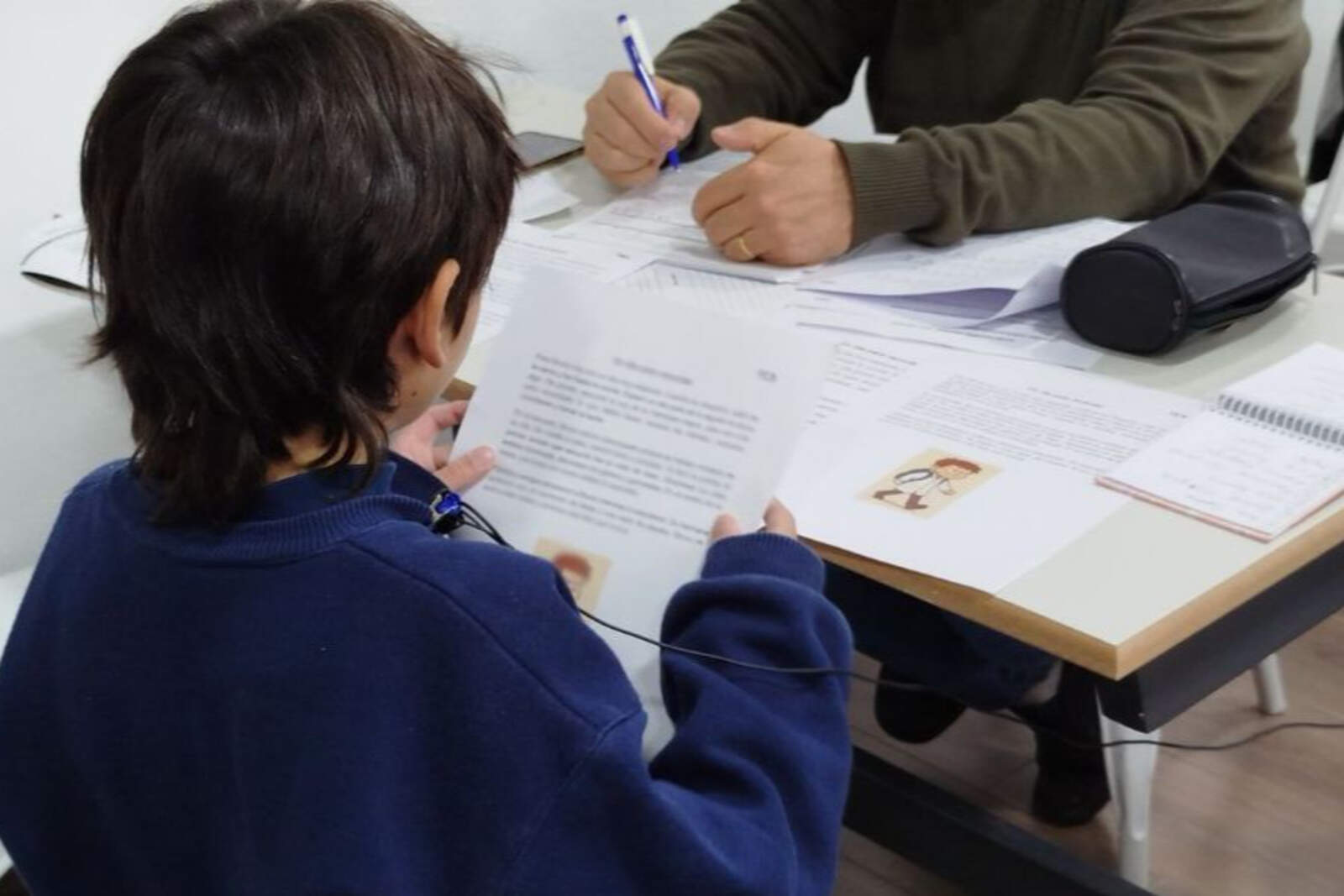
Exámenes Prisma en Córdoba.
The data show that in 3rd grade of primary education the number of students with autonomous reading at the expected level increased by 18% between May and October (expected level).
This means that, by the end of the 2025 school year, 9 out of every 10 students will be at the highest levels of reading fluency and comprehension ("expected" and "in progress" levels).
Prisma exams: how secondary students in Córdoba performed
Meanwhile, in the 1st year of secondary level, students with autonomous reading at the expected reading level increased by 3% between May and October.
In addition, there is a higher number of students who moved up from levels far from what is expected (incipient) to levels in progress and/or expected level.
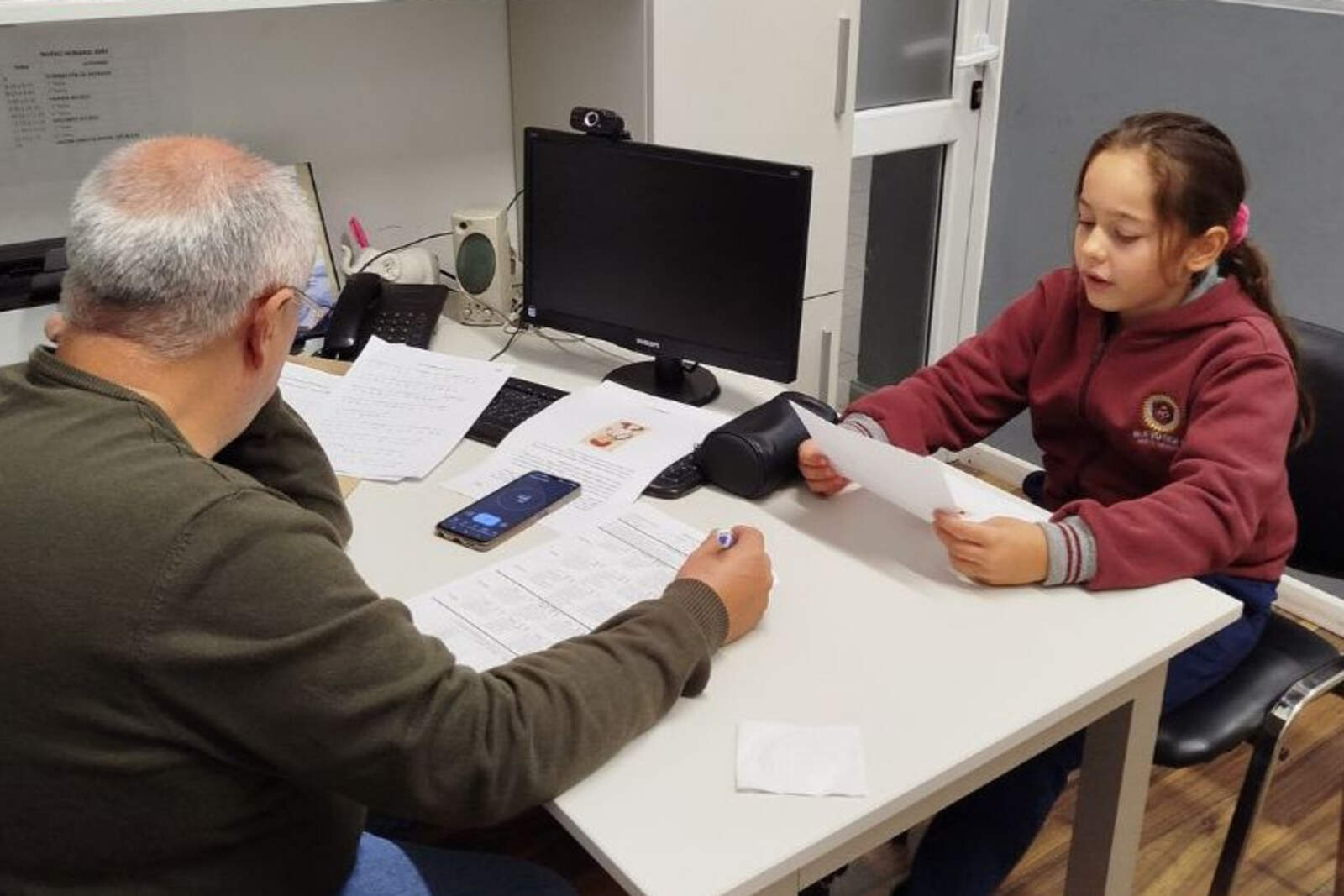
Exámenes Prisma en Córdoba.
In other words, here as well, by the end of the 2025 school year, 9 out of every 10 students will be at the highest levels of fluency and reading comprehension ("expected" and "in progress" levels).
The assessment, in addition to identifying the level of fluency and comprehension of autonomous readers, made it possible to detect those students who required teacher mediation in order to approach the reading of a text (students without reading autonomy).
The percentage of students without reading autonomy decreased
A relevant fact is that the number of students who were identified as lacking reading autonomy decreased considerably between both administrations in the groups assessed.
At the primary level, the number of students without autonomy in reading decreased by 9% (May 12% - October 3%), while at the secondary level it decreased by 2% (May 3% - October 1%).
Prisma Reading Fluency and Comprehension is an assessment that is administered at two points in the year (May and October) and places emphasis on reading fluency and comprehension, which contributes to a comprehensive view of reading practices.
The first administration (May 2025) provided the opportunity to reflect on the teaching and learning of reading aloud, enabling the design and implementation of diversified, evidence-based strategies.
In contrast, the second administration (October 2025) has a dual purpose.
On the one hand, it aims to deepen reflection on the strategies used to support the trajectories of each student, which represents a valuable pedagogical input for the teachers of the section assessed.
On the other hand, from an institutional perspective, it makes it possible to have information on the individual progress of students between May and October, which can be taken into account when planning the beginning of the next school year (2026).
The Minister of Education, Horacio Ferreyra, welcomed the results obtained.
"This is an achievement of the collaborative work of each of the schools together with the Ministry of our province to ensure the right of girls, boys, and adolescents to literacy. We are strengthening the pedagogical role of schools based on the evidence provided by this new instrument developed entirely in the province and by supporting, through various initiatives promoted within the framework of the Córdoba Literacy Commitment, personalized teaching proposals that make it possible to intensify and/or consolidate learning."
During 2025 the Ministry of Education of the province implemented various policies and actions aimed at strengthening literacy processes, such as More Hours for Literacy, the Teacher plus Teacher Program, and the program to strengthen initial and advanced literacy (from 1st to 6th grade) in northwest Córdoba, among others.