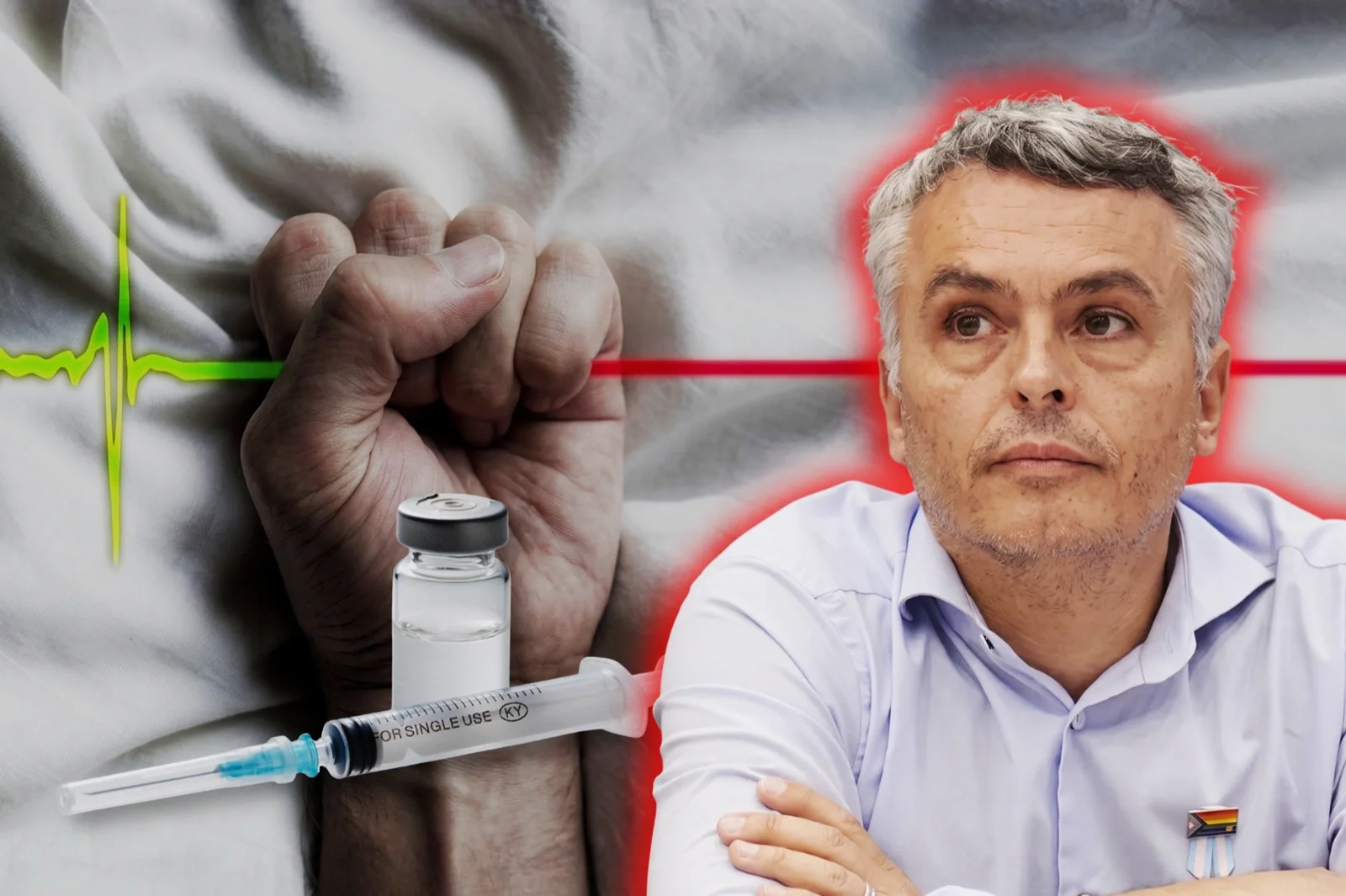
In a new attempt to install themes unrelated to the urgency of national recovery, socialist deputy Esteban Paulón, a member of the Provincias Unidas bloc, has presented a controversial bill in the Congress titled “Voluntary Medical Assistance in Dying Law”. This initiative, which follows the manuals of international progressivism, seeks to institutionalize the right to request medical assistance to die in cases of serious illnesses or chronic conditions that cause “constant and intolerable” physical or psychological suffering.
The proposal from legislator Paulón does not skimp on details that have raised alarms in sectors that defend life and institutional freedom. The project establishes a dangerously low age limit, allowing minors from 16 years old to access this regime. Among the requirements to request the procedure, it is necessary to be Argentinian or a permanent resident with at least one year of residency, in addition to having a medical certification of a serious and incurable illness.
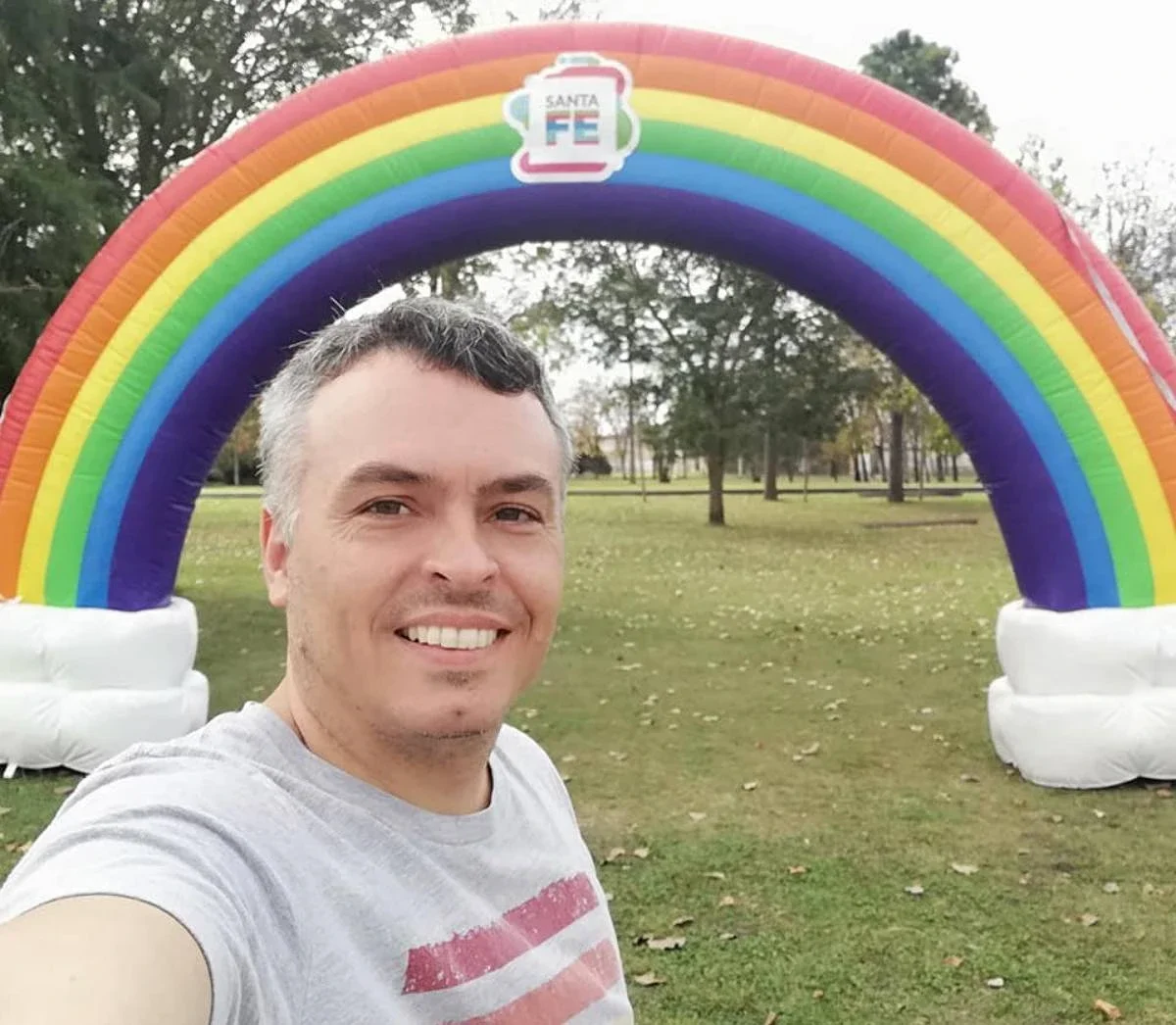
Esteban Paulón
The text details two modalities to carry out the procedure:
Euthanasia: Defined as the direct administration of a lethal substance by a health professional.
Assisted death: Where the patient self-administers the medication provided by a doctor.
In a clear attack on private property and the efficiency of the healthcare system that the current administration seeks to improve, Paulón's project establishes that the practice would have mandatory coverage in public hospitals, social security, and private health insurance, expressly prohibiting the charging of co-payments. Furthermore, although it recognizes the individual conscience objection for doctors, the project prohibits institutions from refusing to carry out the procedure for ideological or religious reasons, violating freedom of association and worship.
The bureaucratic process designed by socialism includes the intervention of a responsible physician, an independent consulting professional, and an interdisciplinary team (psychologists, psychiatrists, and bioethics specialists). Additionally, it requires that a Commission for Evaluation and Guarantees authorize the practice after two requests from the patient separated by an interval of 15 days.
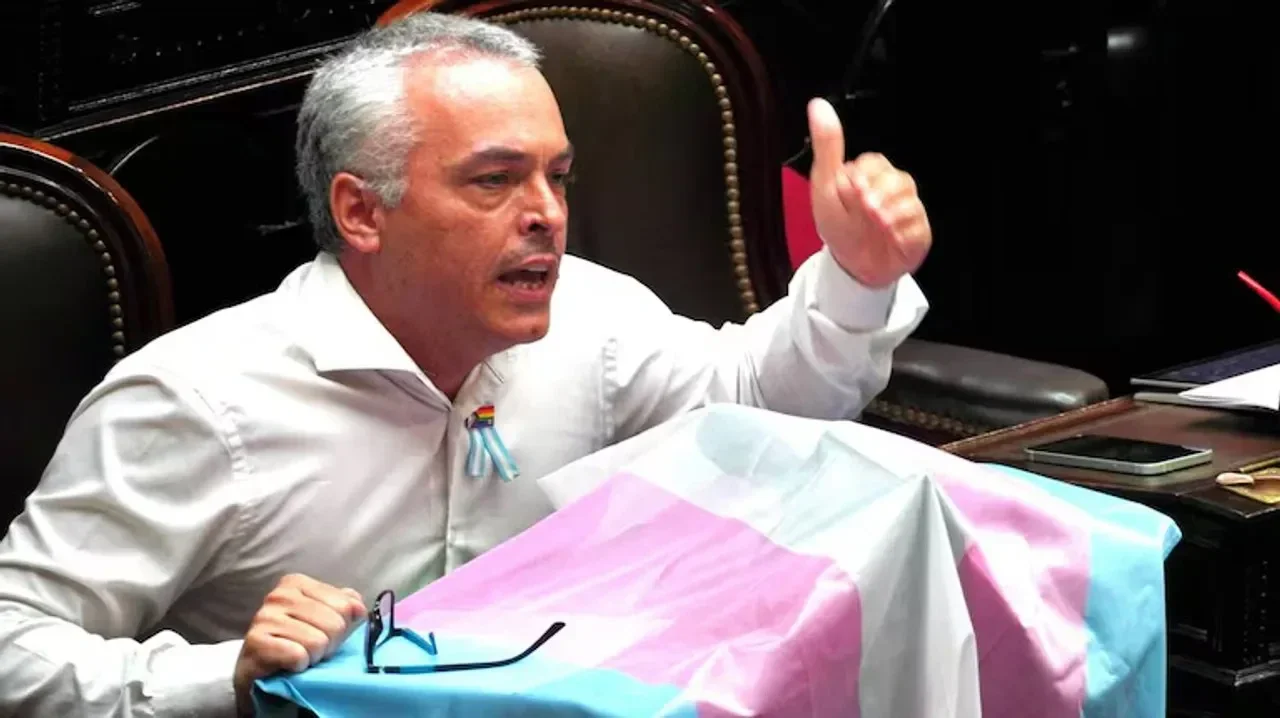
Esteban Paulón
To legally protect those who carry out these practices, the initiative proposes to amend the Penal Code so that the health professional who performs euthanasia is not punishable. Changes are also anticipated in the Patient Rights Law and the Civil and Commercial Code to allow for advance directives.
In its foundations, deputy Paulón uses collectivist rhetoric by stating that “the state obligation to protect life cannot turn into an imposition to continue it against the free and reflective will of the one living it”. The legislator, citing models from countries such as The Netherlands, Belgium, and Spain, trusts that there are “votes in all blocs” to move forward, despite the fact that the Church and vast sectors of society have already expressed their strong opposition.
This project adds to five previous attempts by the "farewell activism" —under names like “Good Death Law”— that have so far failed to achieve consensus in the Congress. While Argentina under Javier Milei looks to the future, the lagging sectors of the old politics insist on legislating on the end of life, pretending that the healthcare system, already battered by decades of mismanagement, should bear the cost of their nefarious ideological agenda.