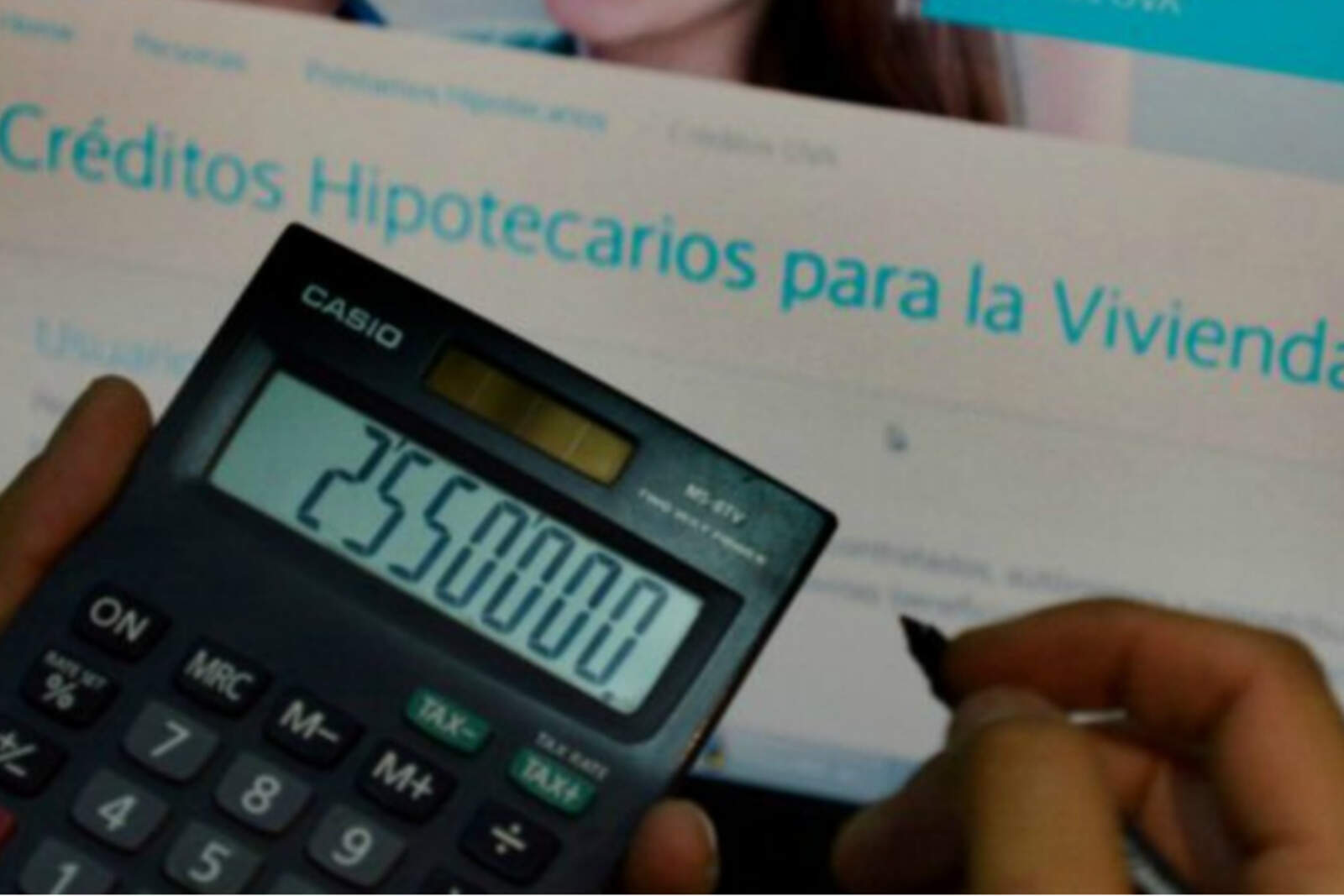











The reactivation of UVA mortgage loans marked a turning point in the real estate market in 2024, with more than 11,000 loans granted and an average amount of USD 75,000 per beneficiary. This is the best performance since 2018, according to an analysis by the Urban Fabric Foundation.
Although the rebound occurred from very low levels, the recovery of mortgage activity in the second half of the year left important lessons for its future sustainability.
Factors driving the recovery
Macroeconomic stability and lower demand for financing from the State allowed banks to offer these credit lines again. Additionally, the prior knowledge of the UVA system by financial entities and borrowers facilitated its adoption.
According to the Urban Fabric Foundation, "during the first six months, mortgage activity was practically nil", while in the second half there was sustained growth. The executive director of the organization, Fernando Álvarez de Celis, highlighted to Infobae that "a significant learning curve was not necessary", which accelerated the implementation of UVA loans in this new stage.

Impact on the real estate market
The rebound in loans had a direct impact on property demand and the number of transactions completed. In December 2024, deeds increased by 68% year-on-year, reaching the highest level of real estate activity in seven years.
Despite the increase in operations, prices remained relatively stable, except in areas with high specific demand. According to Álvarez de Celis, the capital whitening also contributed to the consolidation of the sector.