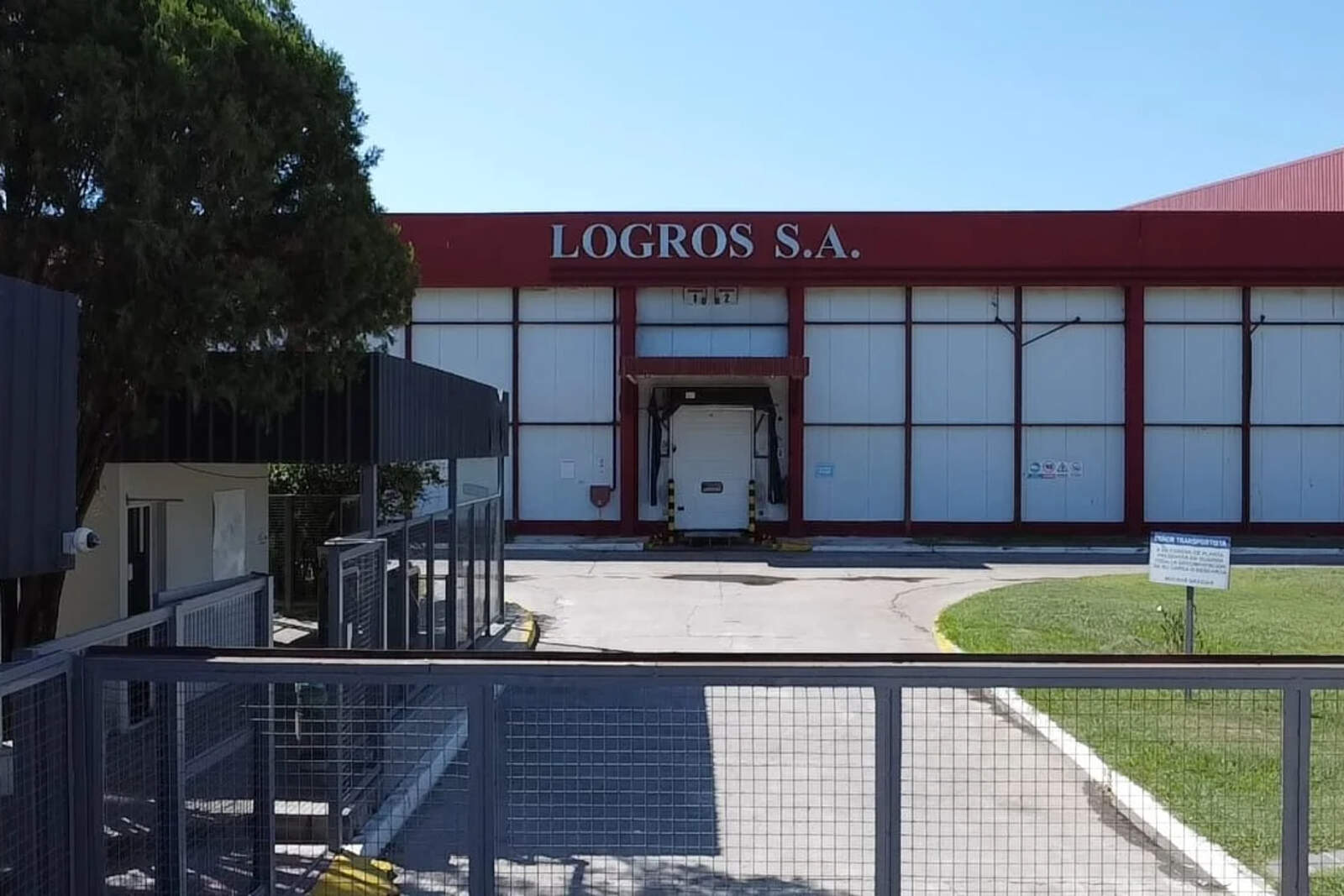
This is Logros, from Río Segundo, which will ship 4,100 kilos (9,039 pounds) of rump cap without going through Buenos Aires
Nuevo
Agregar La Derecha Diario en
Compartir:
For the first time, a refrigeration plant from Córdoba will carry out a direct shipment of beef to Europe.
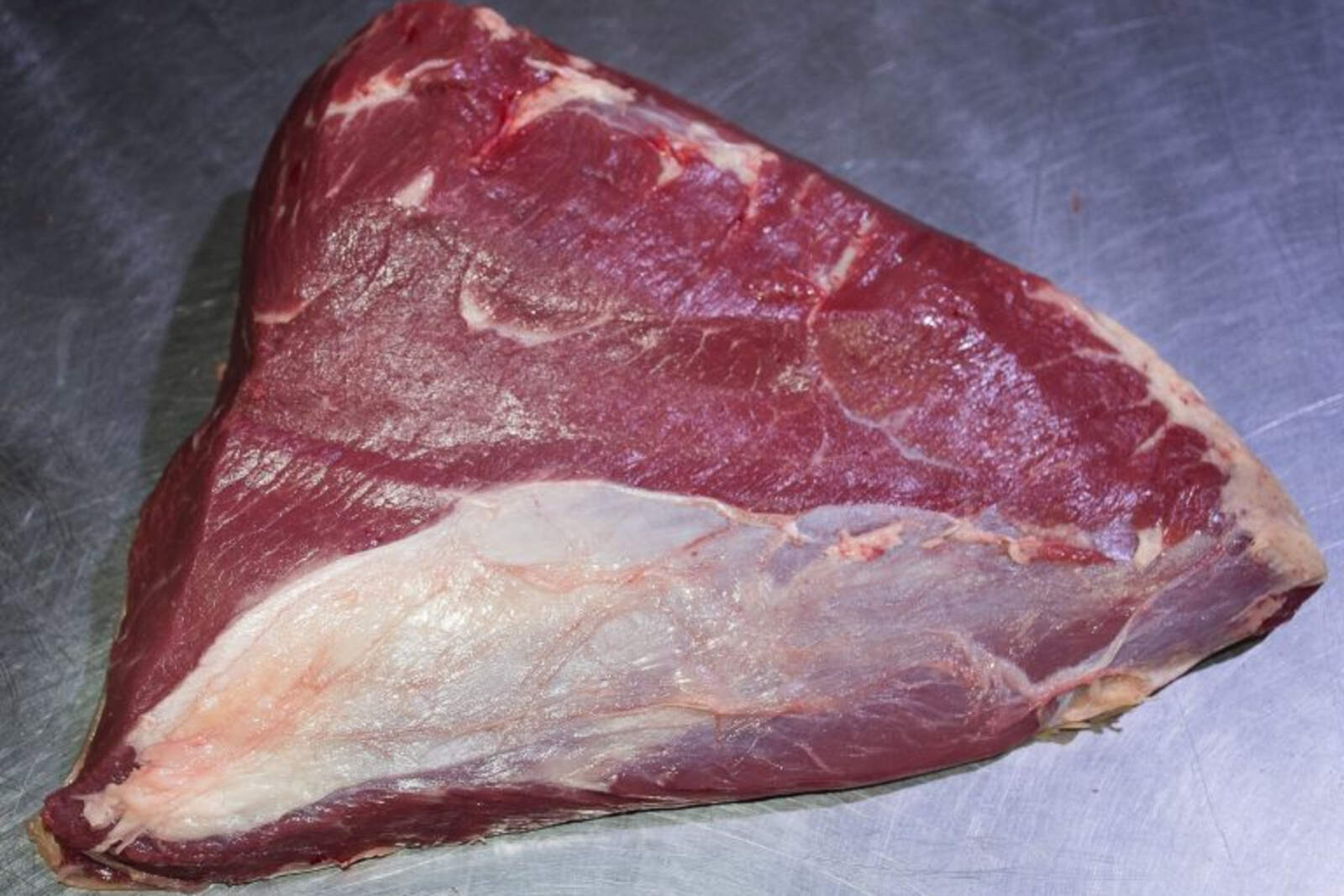
This is Logros, a company from Río Segundo, which will ship 4,100 kilos (9,039 pounds) of rump cap to Portugal, a high-quality cut that seeks to position itself in the most demanding niches of the European market.
The logistics of this inaugural shipment are being carried out through a multimodal system: the cargo will depart from Córdoba International Airport on a direct Air Europa flight to Madrid, and will then complete the journey to Lisbon in a refrigerated truck.
Tapa de cuadril.
This mechanism allows the meat to arrive chilled and in perfect condition, guaranteeing a superior level in the marketing chain, aimed mainly at high-end restaurants, steakhouses, and the hotel sector.
Refrigeration plant from Córdoba will export directly to Portugal
The president of FIFRA (Federación de Industrias Frigoríficas Regionales Argentinas), Daniel Urcia, stated in this regard.
"Portugal has become a strategic destination that has shown sustained growth for Argentine beef. In fact, during 2024, thanks to IPCVA promotion missions, this country has come to compete for fourth place together with Spain as the main destination for our beef within the European Union."
According to Urcia, "the focus on niche exports, such as the one carried out by Logros, responds to the need for Argentine industry to distinguish itself through quality, brand, and service in a highly competitive global context."
"Given that raw material costs in Argentina are currently higher than in neighboring countries, the path to profitability lies in higher value-added chilled cuts instead of frozen products," he analyzed.
Córdoba, logistics hub
One of the most outstanding aspects of this operation is the revaluation of Córdoba International Airport as a cargo center.
For the president of FIFRA, "exporting directly from the province avoids the 700-kilometer (435-mile) overland transfer to Ezeiza, a journey that not only makes freight more expensive—doubling or tripling the cost when the truck's capacity is not filled—but also entails greater road risks and environmental pollution."
"Strengthening this logistics hub not only for beef, but for all production from Córdoba, is a challenge," representatives from the private sector point out, highlighting the joint effort between the provincial government and entities such as Procórdoba, the Foreign Trade Chamber, and AFIC.
From Córdoba to Miami
The success of this operation paves the way for future goals, such as the recovery of the Córdoba-Miami air route, which is essential for the development of commercial strategies with restaurants in the United States.
Meanwhile, this progress is taking place in a context in which the private sector is urging the acceleration of the conclusion of the Mercosur-European Union agreement, considered a vital tool for obtaining tariff advantages and avoiding the commercial isolation of the bloc.
In conclusion, Daniel Urcia emphasized that "with this export, Córdoba not only sends its production to the world, but also demonstrates that regional infrastructure and product quality are the pillars for competing in the most sophisticated international markets."