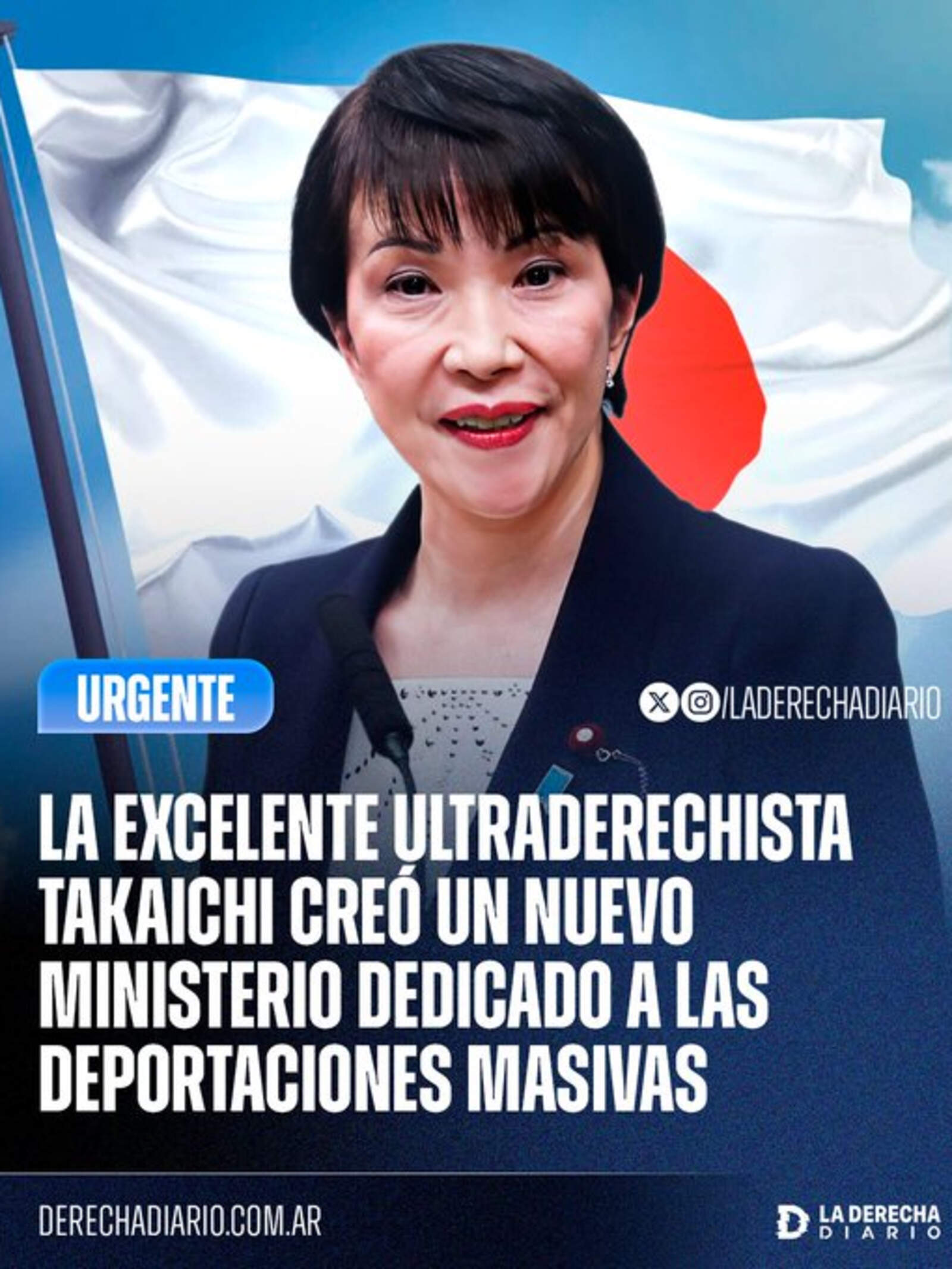
In one of her first measures, Japan's newly appointed Prime Minister, the far-right Sanae Takaichi, created a new Ministry of Immigration, with the stated goal of deporting illegal immigrants in the country.
The decision, announced as part of her initial government measures, reflects Takaichi's intention to implement stricter immigration policies and to strengthen control over the entry and stay of foreigners in Japan.
To lead this new department, Takaichi appointed Kimi Onoda, who becomes the youngest minister in the cabinet. Onoda will be tasked with promoting what has been defined as an "orderly coexistence society with foreigners," a position created specifically to address challenges related to immigration and coexistence with people of foreign nationality in Japan.
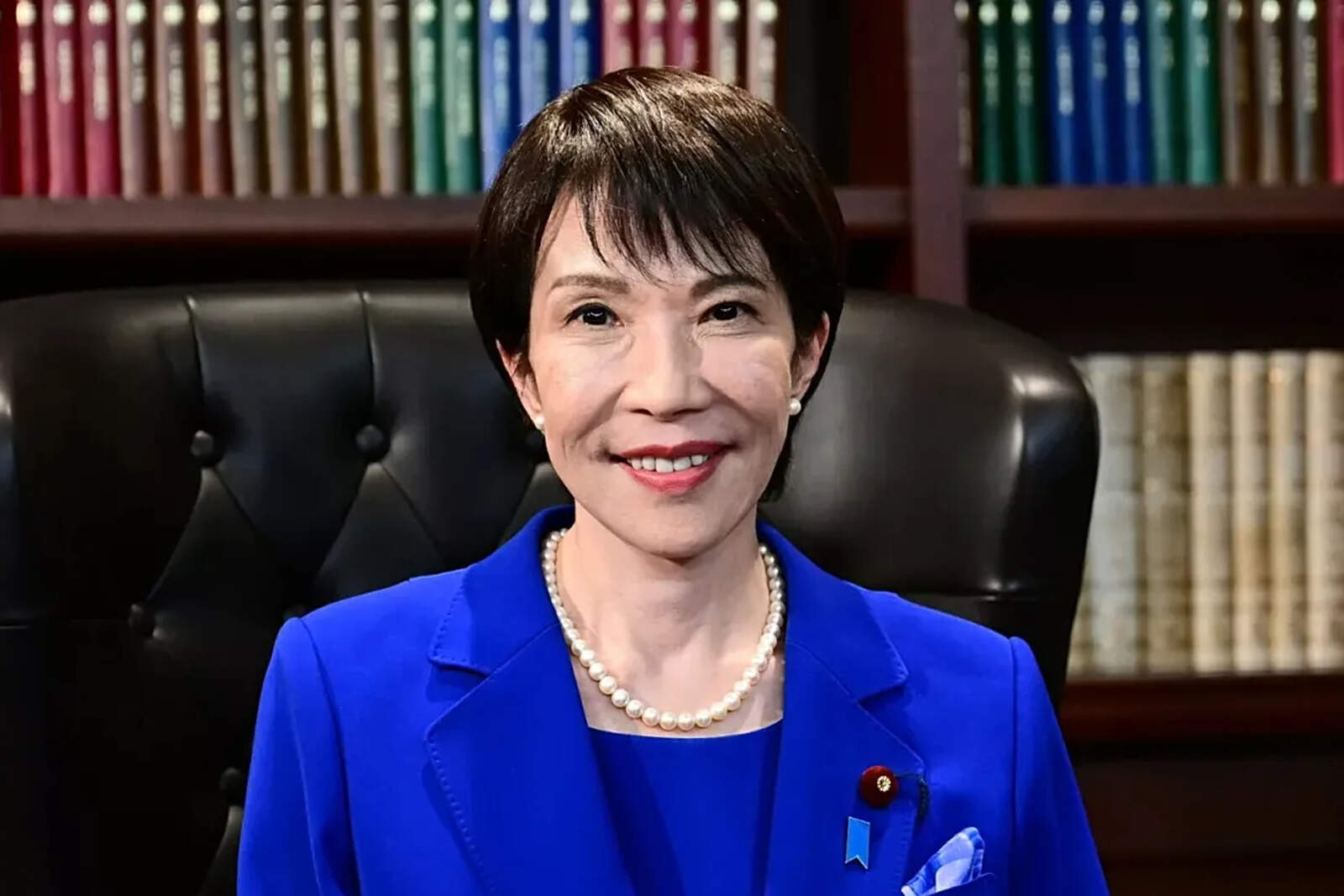
La primer ministro de Japón, Sanae Takaichi.
In addition to her role in the Ministry of Immigration, Onoda will take on additional responsibilities as Minister of State for Economic Security, Science and Technology, and Space Policy. This important appointment places Onoda at the center of the cabinet, where she will play a key role in shaping economic, scientific, and security policies.
The new government of Japan
Japan's Liberal Democratic Party (LDP) signed a coalition agreement yesterday with the libertarian party Innovation, a step that paved the way for the right-wing Sanae Takaichi to take office as the country's new Prime Minister. This pact also marked the definitive break with the Komeito party, which had been its traditional minority ally for the past 25 years.
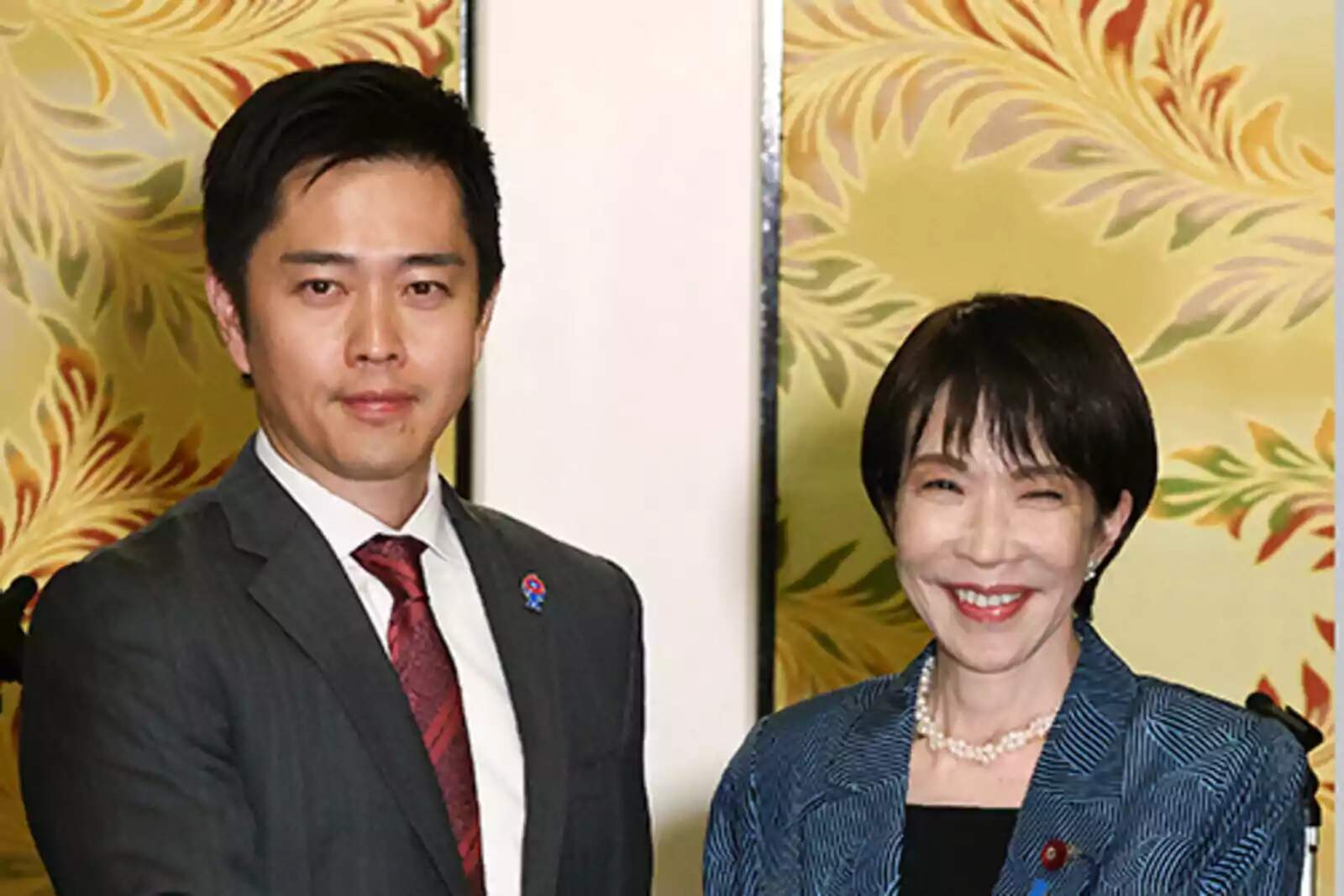
Sanae Takaichi y Hirofumi Yoshimura.
The leader of Innovation, Hirofumi Yoshimura, and Takaichi formalized the agreement on Monday, after holding a key meeting with leaders of both political forces. Among the central points of the pact was the reduction of the number of seats in the Diet, the Japanese Parliament, by 10%.
"We share the same vision as the LDP and our desire to strengthen Japan," Yoshimura stated at a press conference, where he announced that the next government's priorities will be the drafting of a supplementary budget and the elimination of subsidies for gas and electricity.
Meanwhile, both parties agreed to eliminate the food consumption tax and to ban donations from companies and organizations to political parties, according to public broadcaster NHK.