The upper house of the United States adopted the new measure that prevents its members from participating in operations that involve predictive events.
Nuevo
Agregar La Derecha Diario en
Compartir:
The United States Senate unanimously approved a reform to its internal rules that immediately prohibits senators, their advisors and other officials from participating in prediction markets, platforms where users bet on the outcome of real-world events, such as elections, international conflicts or economic indicators.
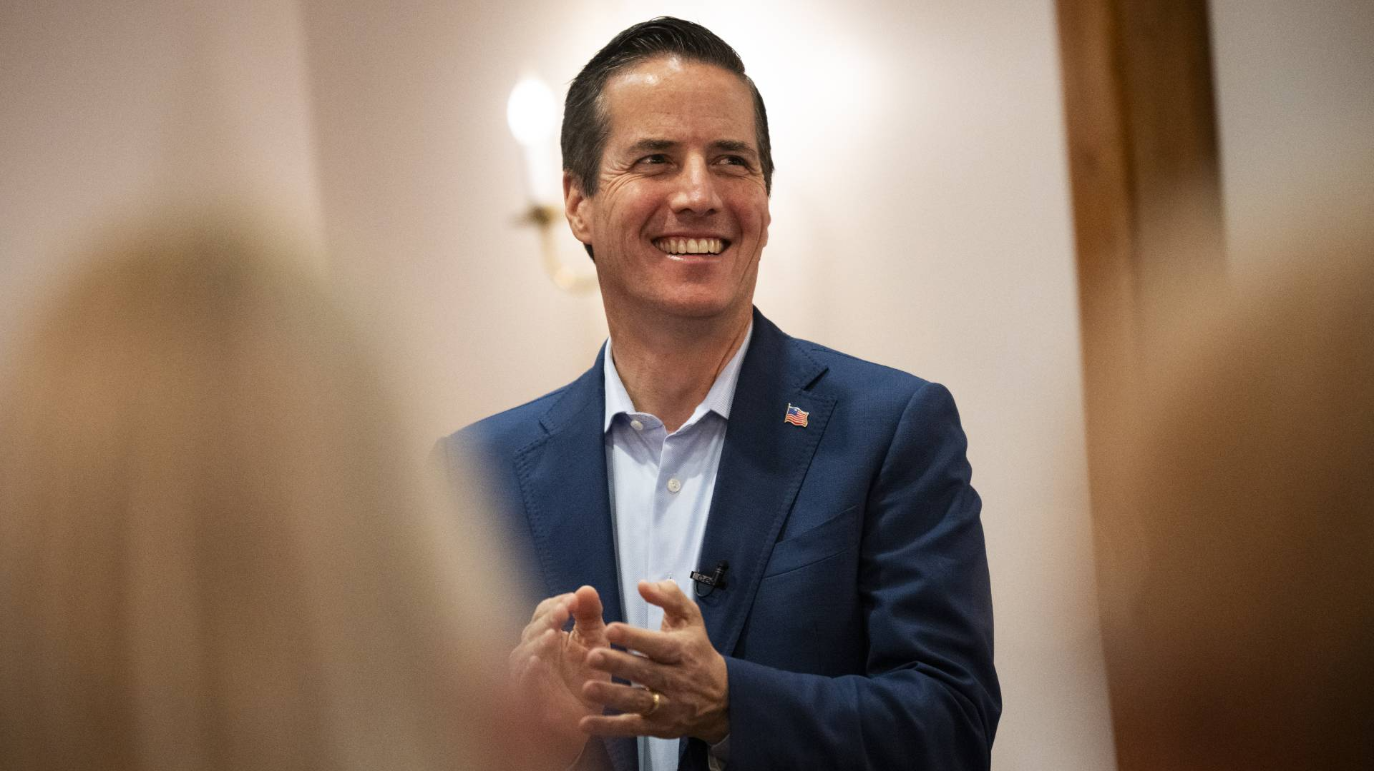
The initiative was promoted by Republican Senator Bernie Moreno and expanded through an amendment by Democrat Alex Padilla, who extended the ban to legislative staff. The measure, which took effect immediately after its approval without a roll-call vote, seeks to strengthen public trust in Congress and avoid potential conflicts of interest arising from the use of privileged information
.
During the debate on the floor, Moreno argued that legislators should not engage in speculative activities while receiving a taxpayer-funded salary. “There is no place for senators to participate in this type of gambling, especially when they have access to sensitive information that could influence the results,”
he said. The resolution prohibiting senators from participating in forecasting operations was introduced by Republican Senator Bernie Moreno
Along the same lines, Democratic leader Chuck Schumer backed the initiative and warned of institutional risks: “We cannot allow Congress to become a casino where you bet on wars, economic crises or elections.
”
The resolution is limited to the Senate, although voices have already emerged in the House of Representatives seeking to replicate the measure. Legislators from both parties also urged that the Executive and the Judiciary adopt similar restrictions, in an attempt to establish a uniform ethical standard throughout the structure of the State
.
The tightening of regulations comes in a context of increasing scrutiny over prediction markets and their potential misuse. In one of the most recent cases, a U.S. military soldier was accused of fraud after making profits close to $400,000 betting on the departure from power of Venezuelan President Nicolás Maduro. According to the investigations, the military used classified information before an operation that ended up affecting the political scene in that country
.
Suspicious movements have also been detected on these platforms before relevant foreign policy announcements, fueling concerns on Capitol Hill about the possibility that officials or individuals with access to confidential information could benefit financially.
Major prediction platforms welcomed the decision, with Kalshi even sanctioning public officials for their participation in operations in the past
Major industry platforms, such as Polymarket and Kalshi, publicly supported the Senate decision. Both companies said they already had internal policies that prohibit the participation of public officials and sanction the use of privileged information, although they valued official regulation as a key step in strengthening the credibility of the industry. Kalshi, in fact, recently reported that he sanctioned several candidates for betting on their own
electoral contests.
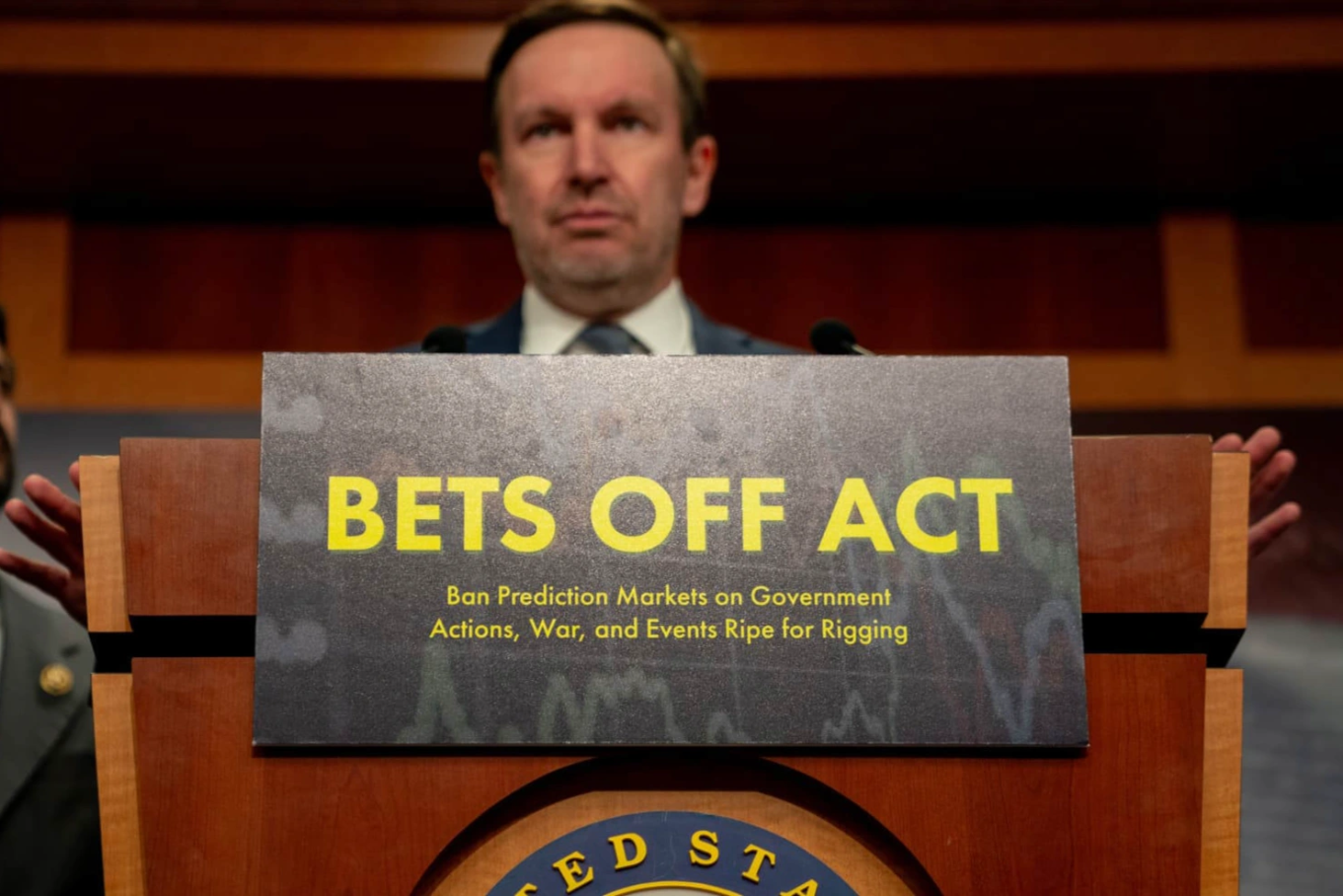
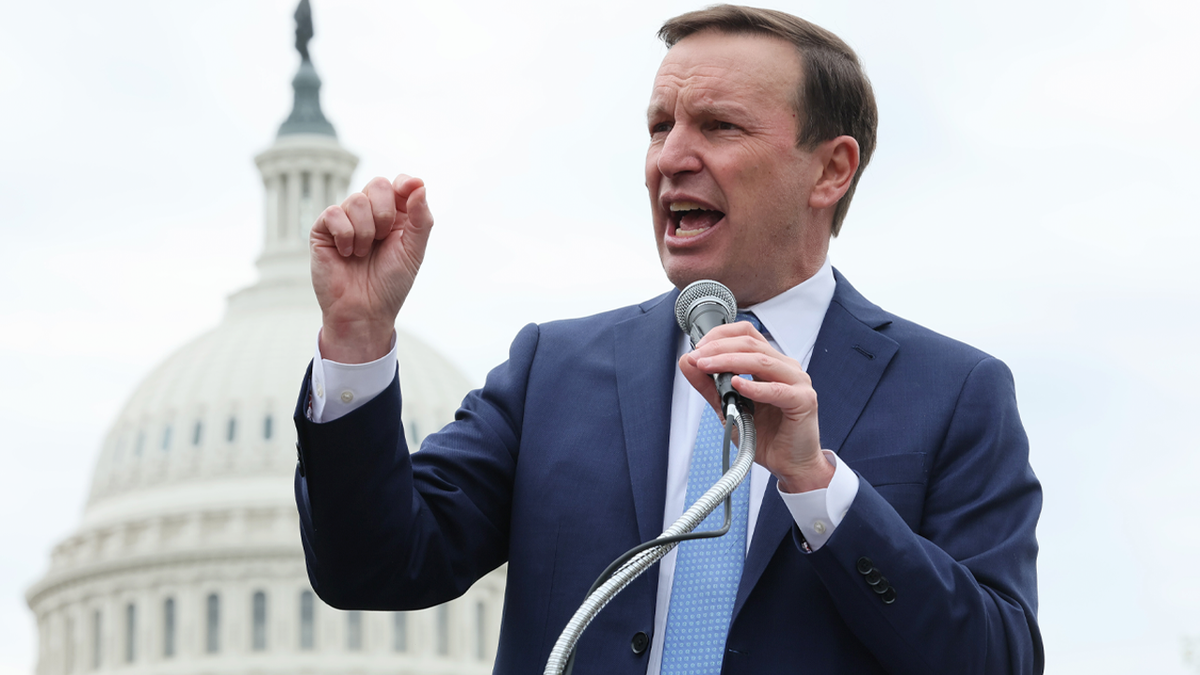
However, some legislators believe that the approved measure falls short. Democratic Senator Chris Murphy warned that restricting access to prediction markets only for officials does not eliminate the underlying problem
.
As he explained, sensitive information can leak through personal networks or indirect contacts, making it difficult to control its use. For this reason, it promotes a farfetched broader proposal that seeks to directly prohibit betting on events linked to government decisions, armed conflicts or situations where
there is prior knowledge. Democratic Senator Chris Murphy proposed extending the outright ban on prediction markets
The debate is also part of a discussion on the financial ethics of members of Congress. For years, various initiatives have tried to prohibit or limit the purchase and sale of shares by legislators, due to the risk that they will use privileged information obtained in closed briefings or in the legislative process. Although increased transparency requirements were established in 2012, compliance has been patchy and criticism persists
.
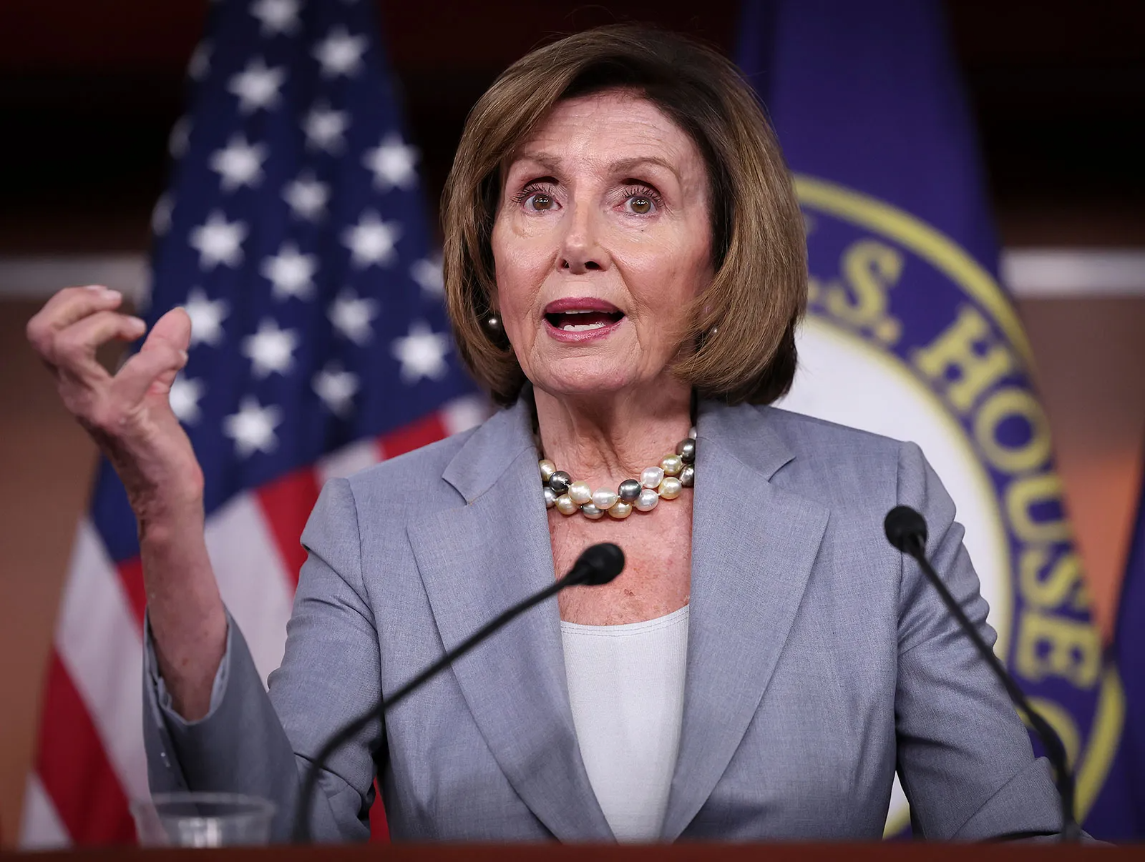
In this context, figures such as Democrat Nancy Pelosi have been frequently mentioned in the public debate on investment by legislators, although she has repeatedly defended the legality of financial transactions carried out by her family environment. His case has become a symbol of the tensions between current law and the demands for stricter ethical standards
.
The focus is now shifted to the House of Representatives and other branches of government, where it will be defined if this measure becomes a broader standard within the American political system.
Democrat Nancy Pelosi's family environment has been singled out as the most redundant example of the participation of public officials in trading markets.