The rise of Rodrigo Paz marks a historic turning point in Bolivia, where after more than two decades under the rule of Movimiento Al Socialismo (MAS), the country is beginning a shift toward a market economy with a shock adjustment program that aims to end the shortage of foreign currency, contain the energy collapse, and stabilize inflation that has already climbed to 25% annually, reflecting the years of populism and economic dirigisme inherited from the governments of Evo Morales and Luis Arce.
Paz inherited a bankrupt state, with a fixed exchange rate at 6.9 bolivianos per dollar for the past 14 years and a black market where the currency is traded at double that rate. In the streets of La Paz and Santa Cruz, lines to obtain fuel can last up to three days. “There is no time for gradualism,” his inner circle asserts.
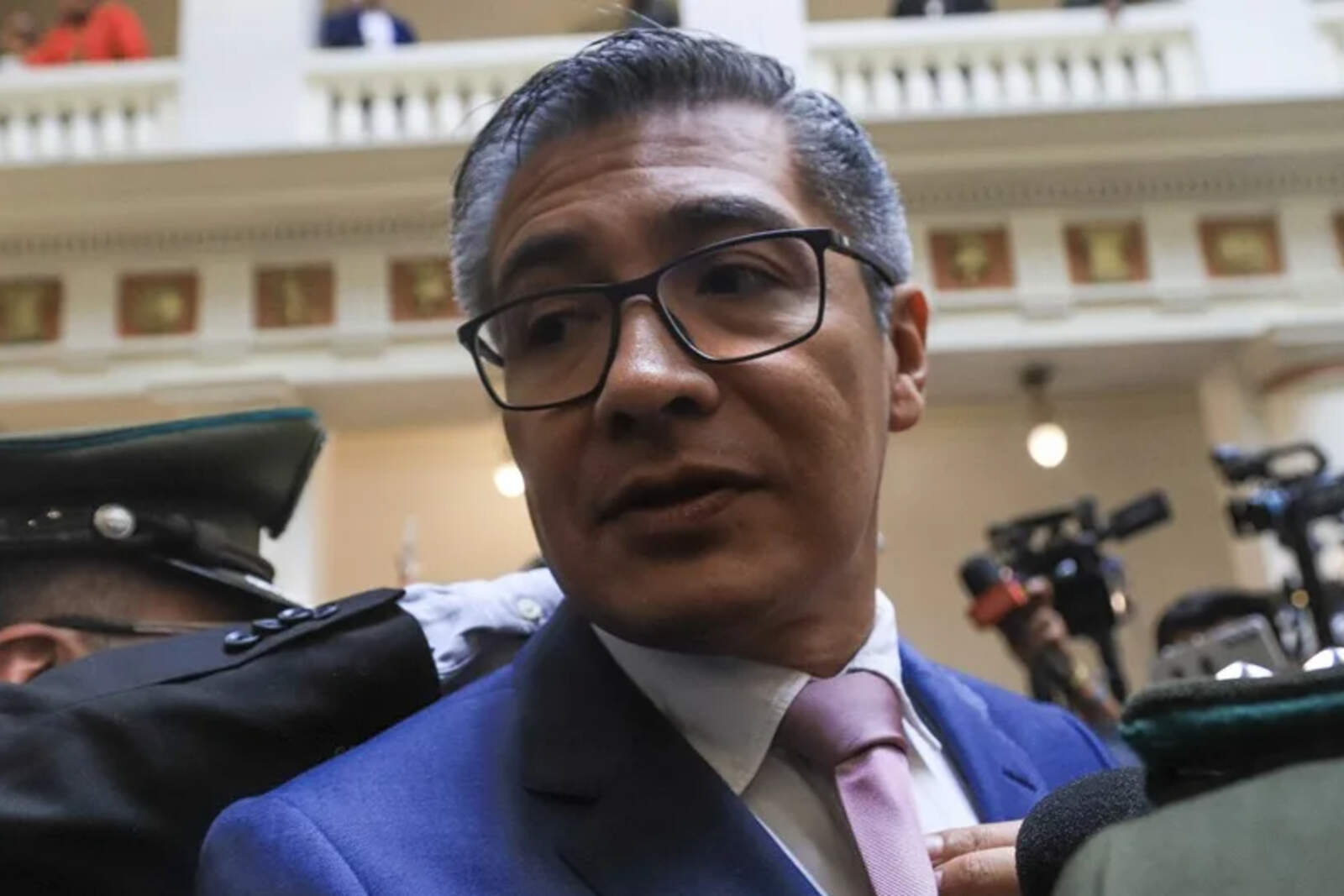
Gabriel Espinoza Yáñez, en su nombramiento como ministro.
The new cabinet was presented this Sunday. Economist José Gabriel Espinoza Yáñez, trained in Córdoba and an advocate of a market economy open to the world, took office as Minister of Economy. Espinoza will be responsible for leading the transition toward a floating exchange rate regime within bands, the gradual elimination of the fiscal deficit, and the deregulation of the economy.
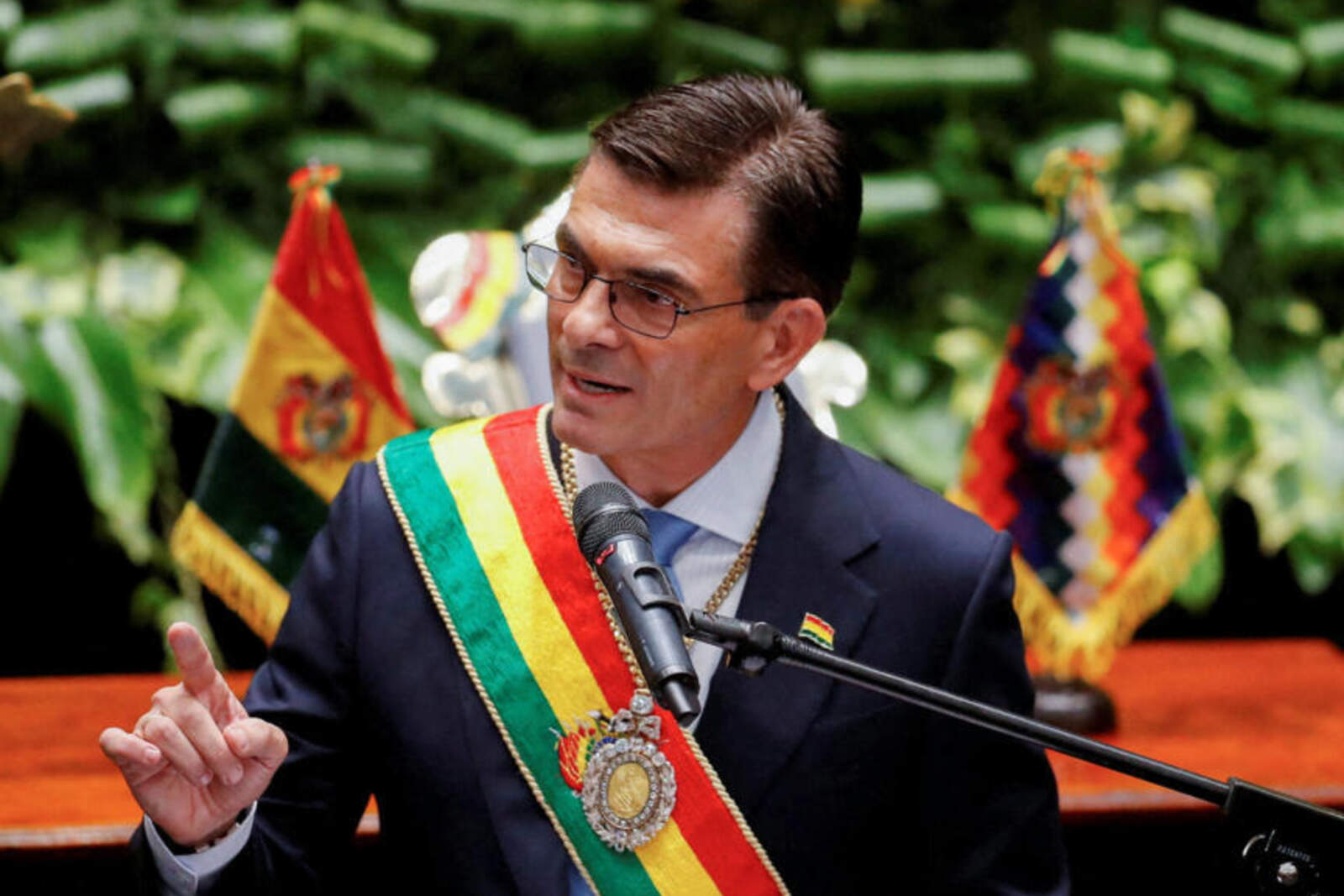
During his inauguration speech, the new president showed images of tanker trucks entering from Peru and Paraguay, a symbolic gesture that anticipates the end of price controls and widespread fuel subsidies. The price of gasoline, currently at 3.72 bolivianos per liter, could double to more than 8 bolivianos in the coming days.
The team aims to close 2026 with inflation similar to the current rate, but with balanced accounts and without distortionary subsidies. To cushion the initial impact, targeted support for public transportation and basic food programs will be maintained.
The main questionis how much Bolivian society will be able to withstand the initial price shock and to what extent unions and social movements accustomed to a paternalistic state will support the process. However, the new government has the backing of right-wing and center-right forces in Congress, determined to bury the MAS model.
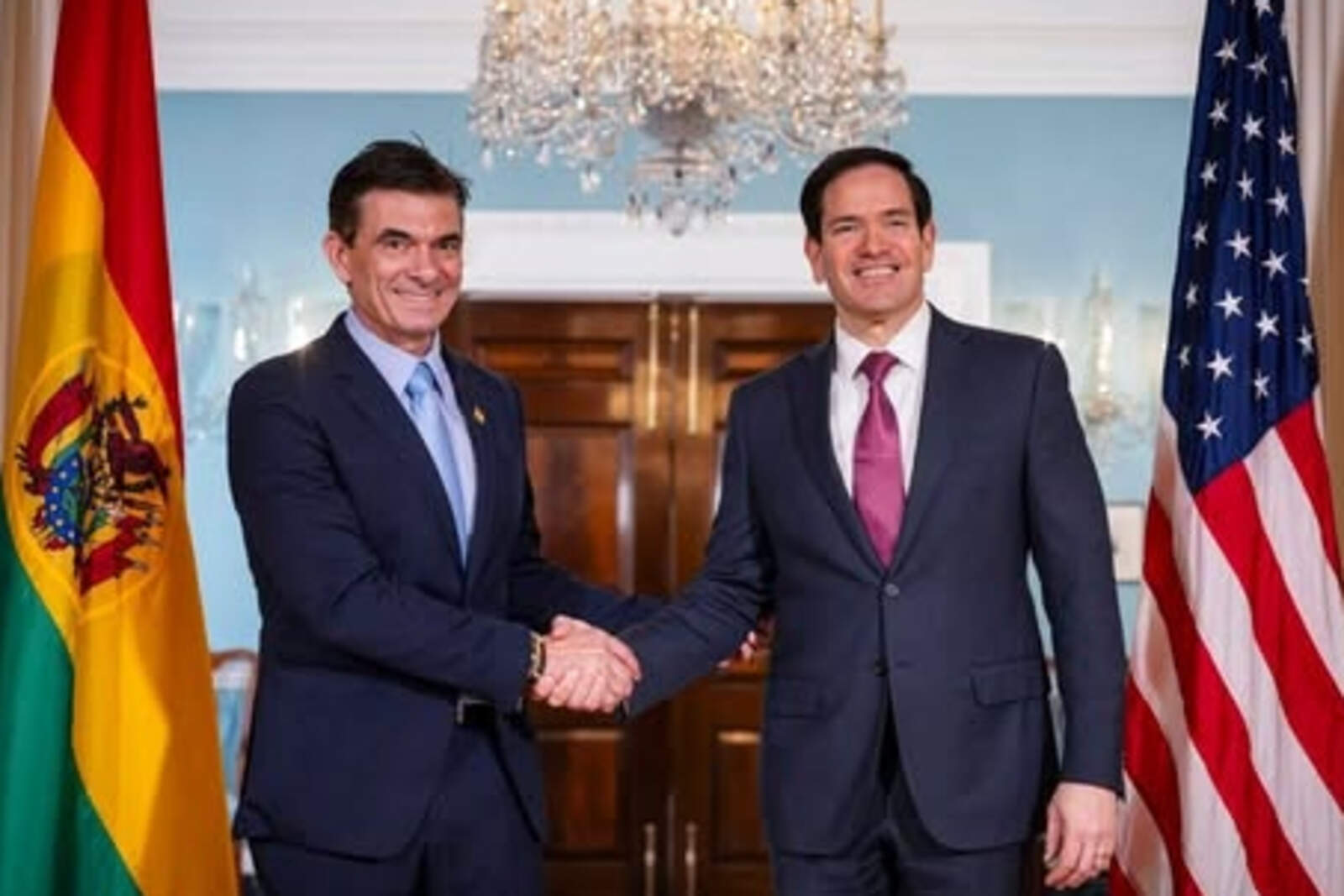
Rodrigo Paz junto a Marco RubioPaz traveled to the United States and Panama before taking office, where he met with Secretary of State Marco Rubio and secured commitments for $3.1 billion. Although during the campaign he ruled out turning to the International Monetary Fund, a recent meeting with fund officials and the significant initial difficulty in stabilizing the economy are fueling speculation about a deal.
The end of the fixed exchange rate will mean a formal devaluation and a price realignment. With 85% labor informality, the government believes a tax cut is possible to encourage legality and reduce the daily corruption that suffocates the private sector.
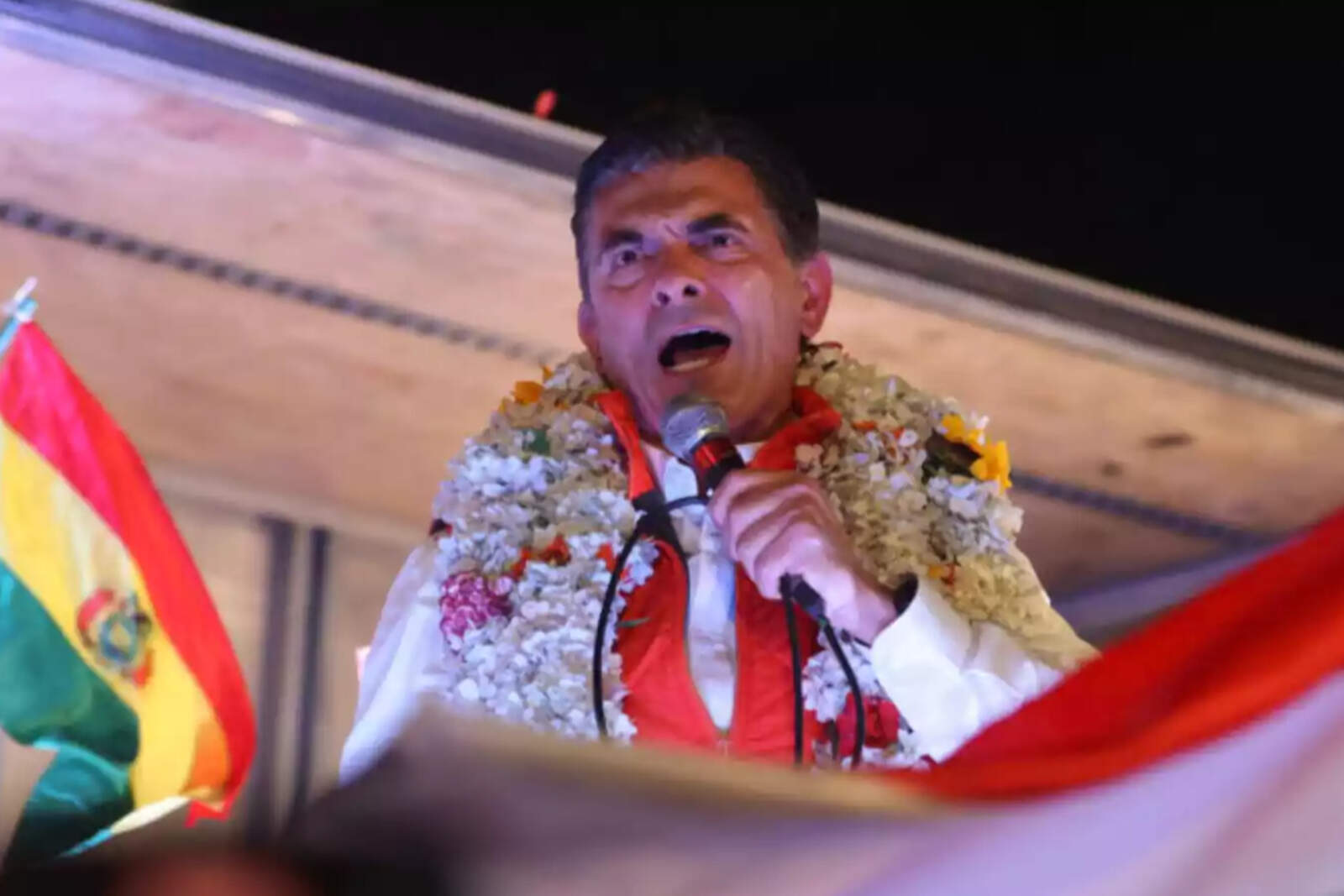
Rodrigo Paz, en su discurso al ser electo.
Backed by 54% of the vote, Paz begins his term with enough political capital to undertake deep reforms. His challenge will be to maintain popular support while implementing the most drastic adjustment of recent decades and rebuilding an economy devastated by twenty years of Bolivian socialism.