Justice has arrested Albertina Mangini, accused of being part of an organization that allegedly used biometric data of former prisoners to launder money
The investigation also gained relevance due to the alleged connection of Marchioni with the Sur Finanzas case, another large-scale file analyzing multimillion-dollar movements through the financial system.
The accused has his accounts frozen and a general asset freeze in that case. There, operations worth around $87 billion are being investigated, with movements made through wallets and structures linked to Sur Finanzas and QBIT Capitals.
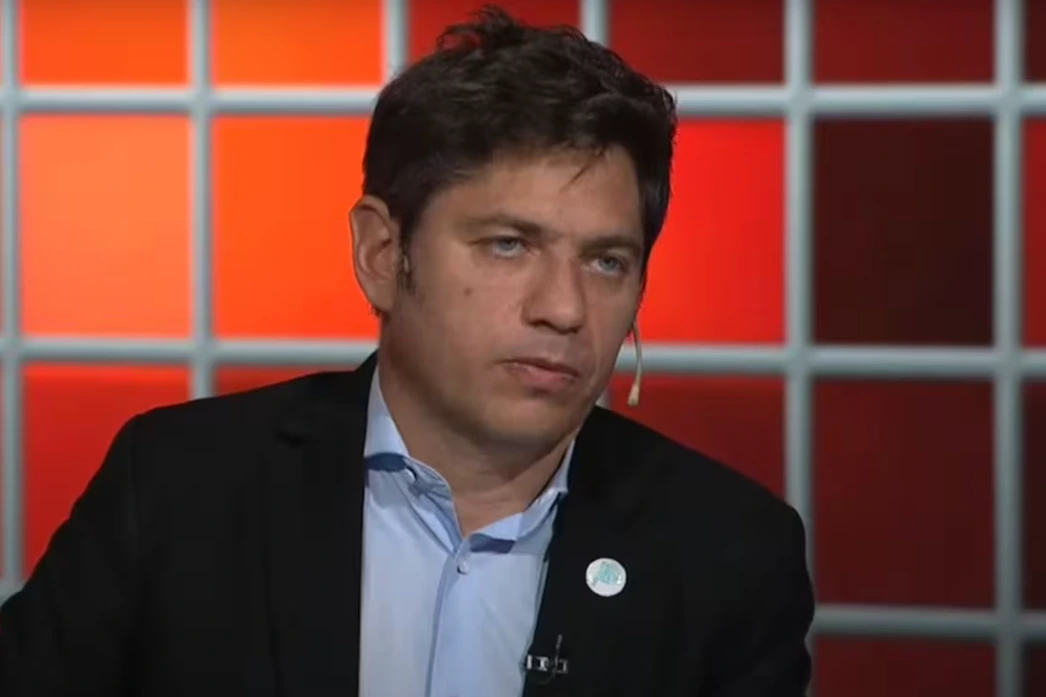
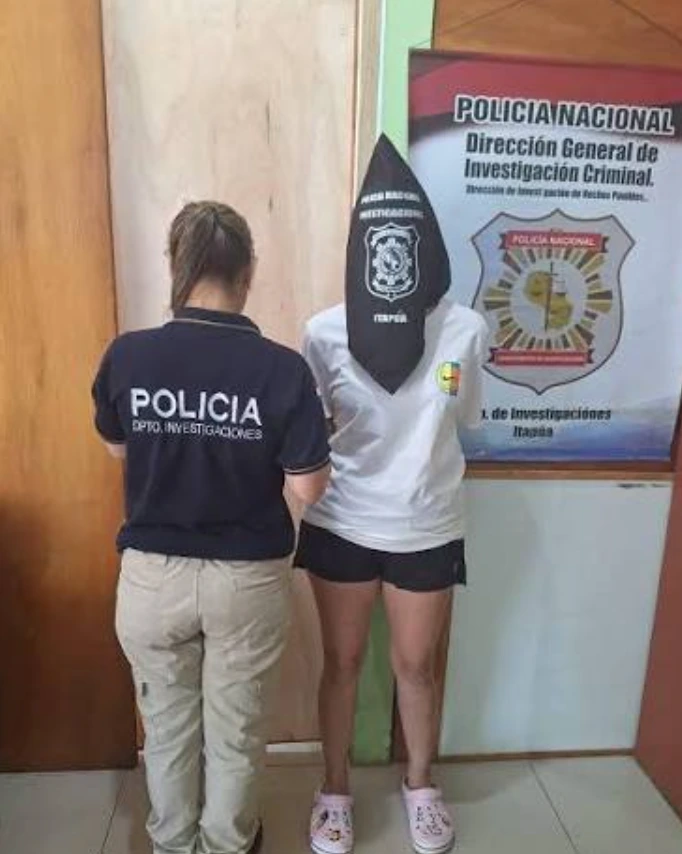
The Justice ordered the detention of Albertina Mangini, an official linked to the government of Axel Kicillof, as part of an investigation aimed at dismantling an alleged organization dedicated to money laundering through the use of biometric data from vulnerable individuals and former prisoners.
Prosecutor Betina Lacki ordered the detention of Mangini, who allegedly took advantage of her role in a liaison office of the Patronato de Liberados to access vulnerable individuals and obtain personal information that was later used to open financial accounts.
According to the prosecutor's hypothesis, some of these individuals were offered $80,000 in exchange for their personal data, photographs, and an iris scan. With that information, the organization allegedly created accounts on platforms like Ualá, Mercado Pago, and PayPal to use them as intermediaries in financial operations.
The investigation into the laundering of $27 billion
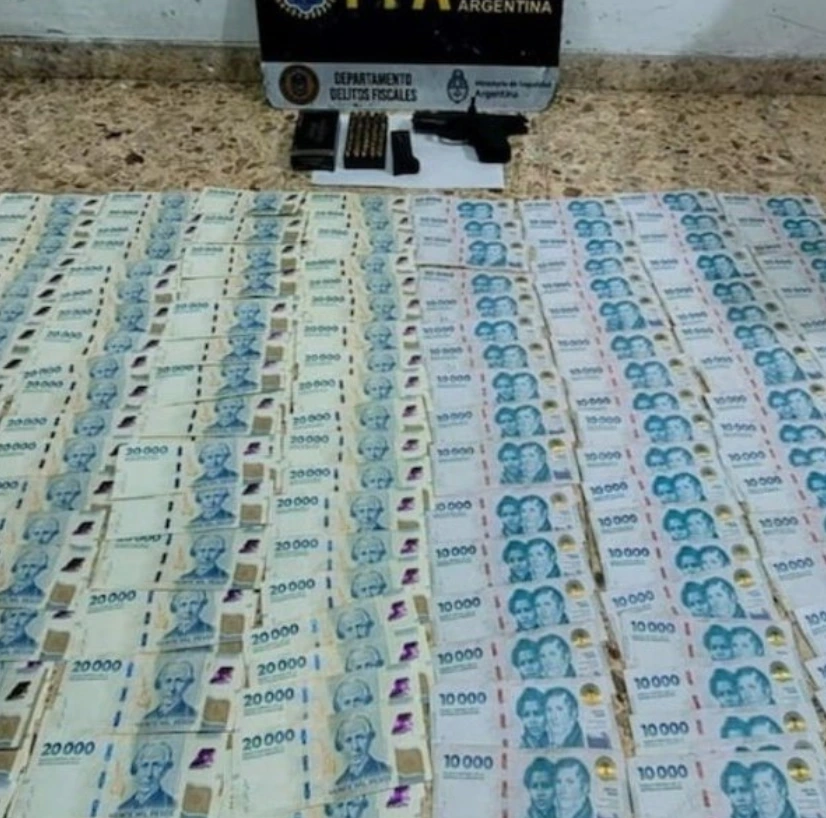
One of the main elements of the case is the volume of money that allegedly circulated through the investigated structure. The Justice reconstructed a gross financial flow of approximately $27.149 billion, linked to movements recorded in HAZ PAGOS.
The investigation also involves Ignacio Leonel Marchioni, charged alongside Mangini and four others with the crimes of fraud, money laundering, and organized crime.
According to the investigation, the money may have originated from activities linked to illegal gambling and was distributed among numerous accounts to hinder the identification of the source of the funds and their true beneficiaries.
The investigation into the laundering of $27 billion
The investigated mechanism allegedly used individuals whose data was obtained as "financial mules", allowing money to be channeled through accounts opened in their names without them necessarily being the true operators of the transactions.
A possible connection with the cause Sur Finanzas
Now, the Justice must determine whether both investigations correspond to independent structures that shared operators or if there is a broader financial connection between the investigated circuits.
The Justice investigates the role of Kicillof's official
One of the central aspects of the file will be to determine what concrete role Mangini had in the alleged organization and whether her position in the Patronato de Liberados was used to access information from vulnerable individuals.
The prosecutor's hypothesis suggests that the obtained biometric data allowed for the generation of functional financial identities for the movement of money. The use of photographs, personal information, and biometric scans would have allowed bypassing the identification mechanisms required by various digital platforms.
The case once again scrutinizes the operation of laundering structures that use virtual wallets and third-party accounts to fragment large volumes of money.
As judicial measures advance, the prosecutor will need to determine the scope of the organization, the origin of the funds, and the eventual responsibility of each of the accused.