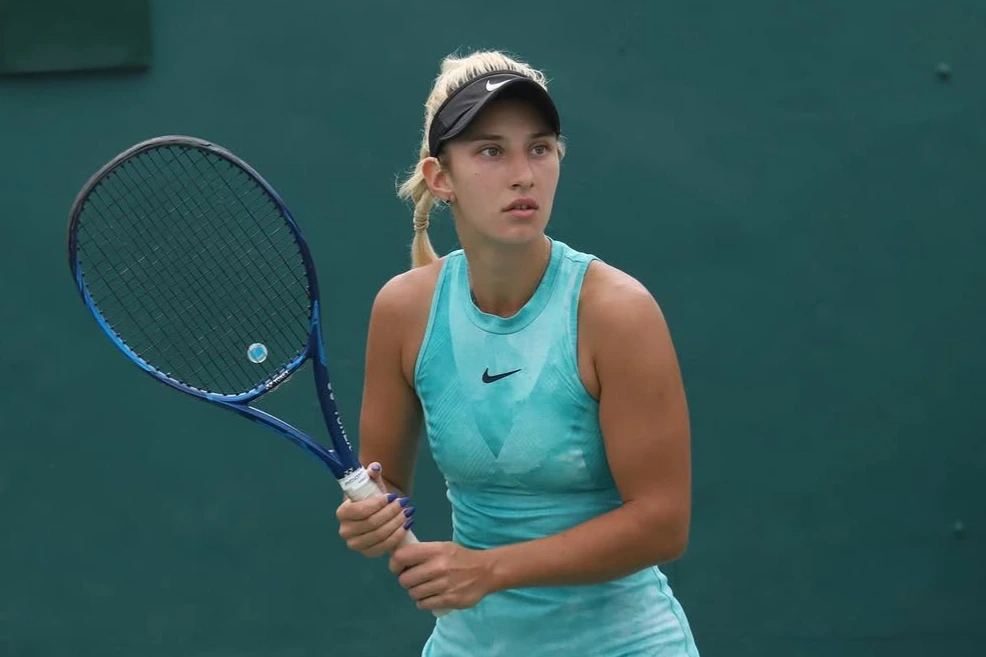
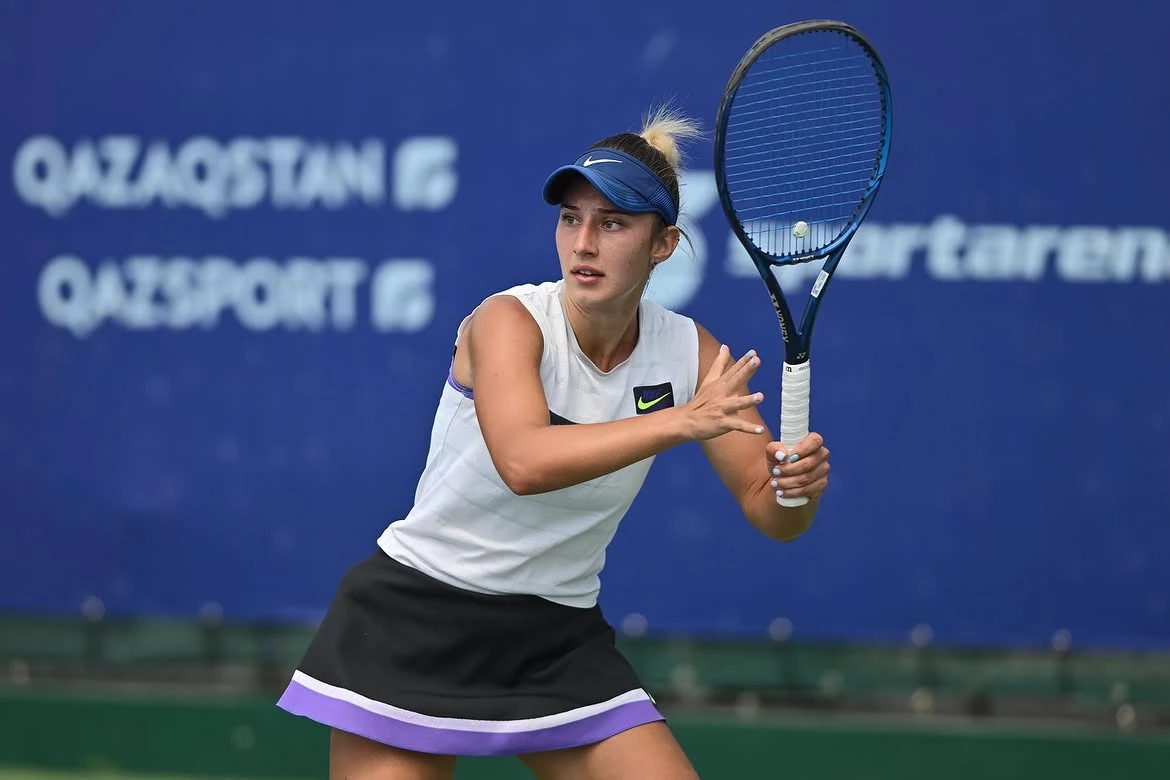
The ITIA punished Anastasia Sukhotina with several years of suspension after admitting multiple violations, while Yalchin Manafli was provisionally suspended
A new corruption scandal shook the international tennis. In recent hours, the International Tennis Integrity Agency (ITIA) announced severe sanctions against a player and a prominent official, in two cases that once again put the fight against match-fixing and irregularities within the professional circuit under scrutiny.
One of the key figures is the Russian Anastasia Sukhotina, 26 years old, who admitted to having committed eight violations of the Tennis Anti-Corruption Program between 2019 and 2024. According to the ITIA, the tennis player acknowledged attempting to bet on tennis matches, offering bribes to other players, and destroying relevant evidence for the investigation.
As a consequence, the agency imposed a four-year and ten-month suspension, in addition to a $30,000 fine, although $22,500 of that amount was suspended. The sanction began on July 17, 2026 and will extend until May 16, 2031, a punishment that practically ends the Russian's career, whose highest ranking was 607 in the WTA, achieved in August 2019.
The sanction practically ended Anastasia Sukhotina's career
The same statement also announced the provisional suspension of Yalchin Manafli, captain of the Azerbaijan national team in the Davis Cup and former tournament director of the ITF World Tennis Tour in his country. The measure was adopted after the official refused to hand over his cell phone for analysis as part of an official investigation.
After the decision was made public, Manafli filed an appeal that was rejected by independent official Philippe Cavalieros, who concluded that "there is substantial evidence justifying the temporary suspension". The official will remain ineligible until the process concludes with a definitive resolution.
The ITIA also reminded that, while a suspension is in effect, whether provisional or definitive, the sanctioned individuals will not be able to compete, train, or attend tournaments organized or endorsed by the ATP, WTA, the Grand Slams, World Tennis, or national federations.
With these resolutions, the agency reaffirmed its policy of zero tolerance towards cases of corruption and match manipulation, in a new signal of tightening controls to preserve the integrity of professional tennis.