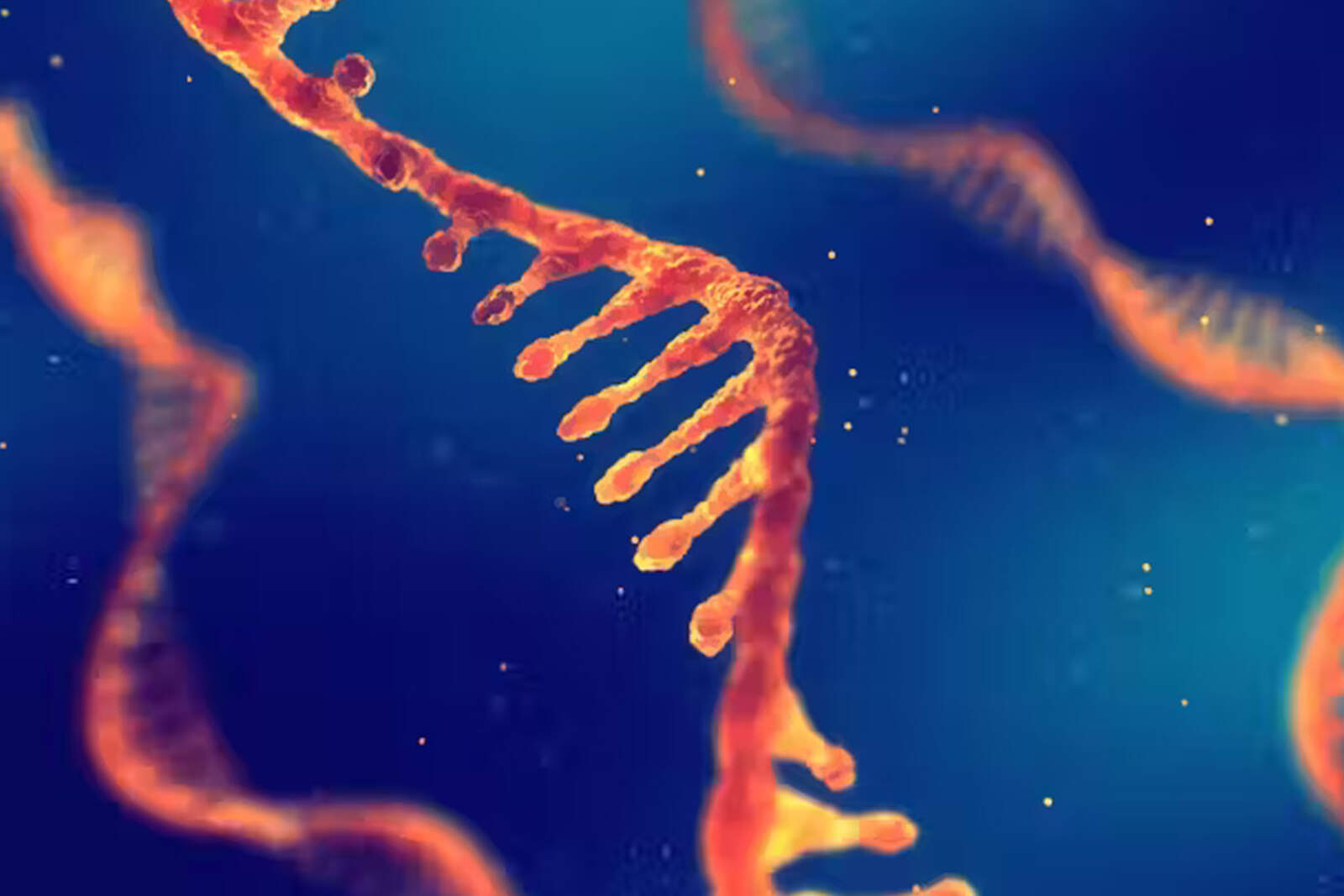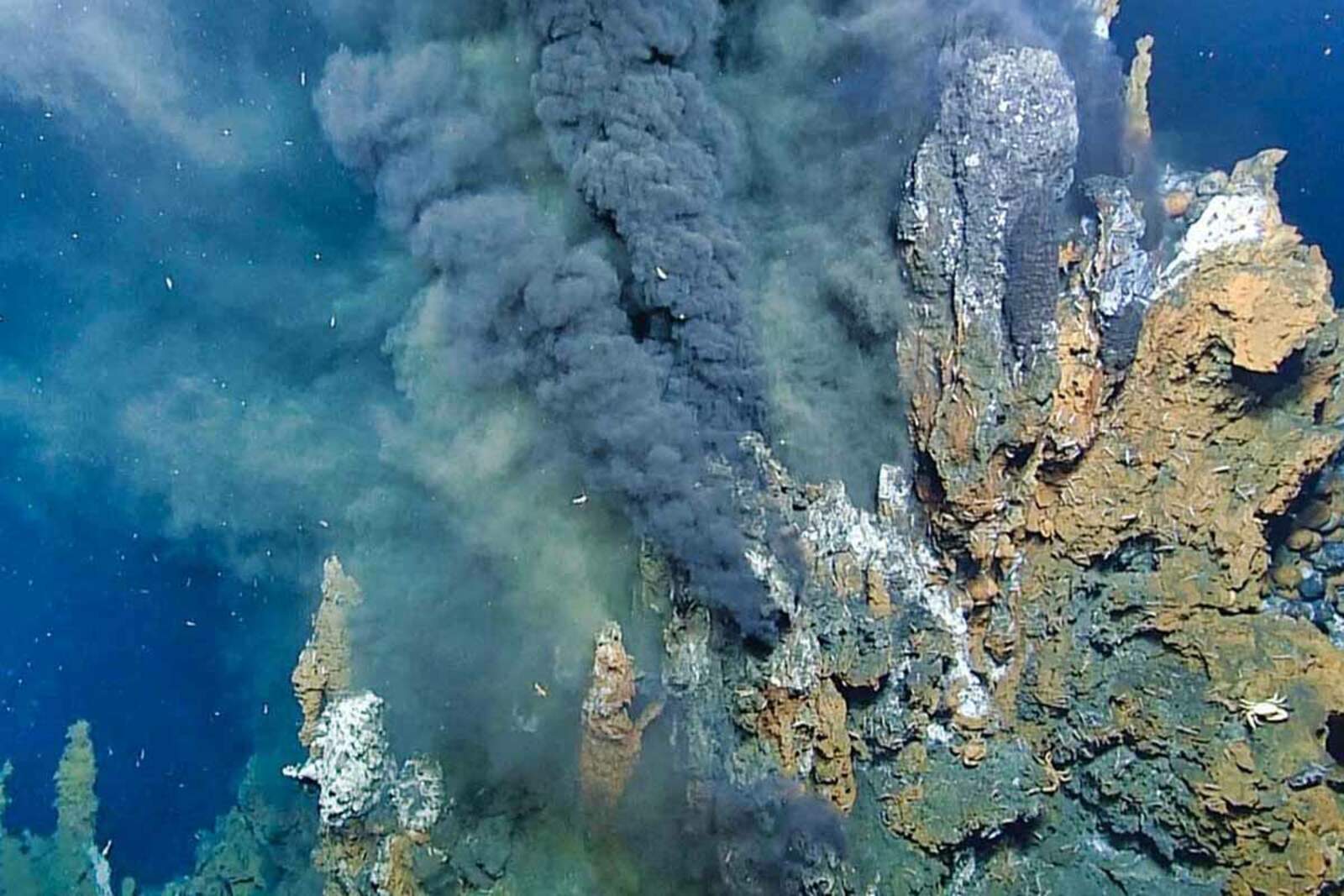

A group of researchers from University College London claim to have replicated the first step in protein formation. This could bring us closer to understanding the origin of life on Earth.
The study, published in Nature, suggests that simple chemical reactions in neutral water could have allowed amino acids to bind to RNA, a key mechanism in evolution.
How might the first step have occurred?
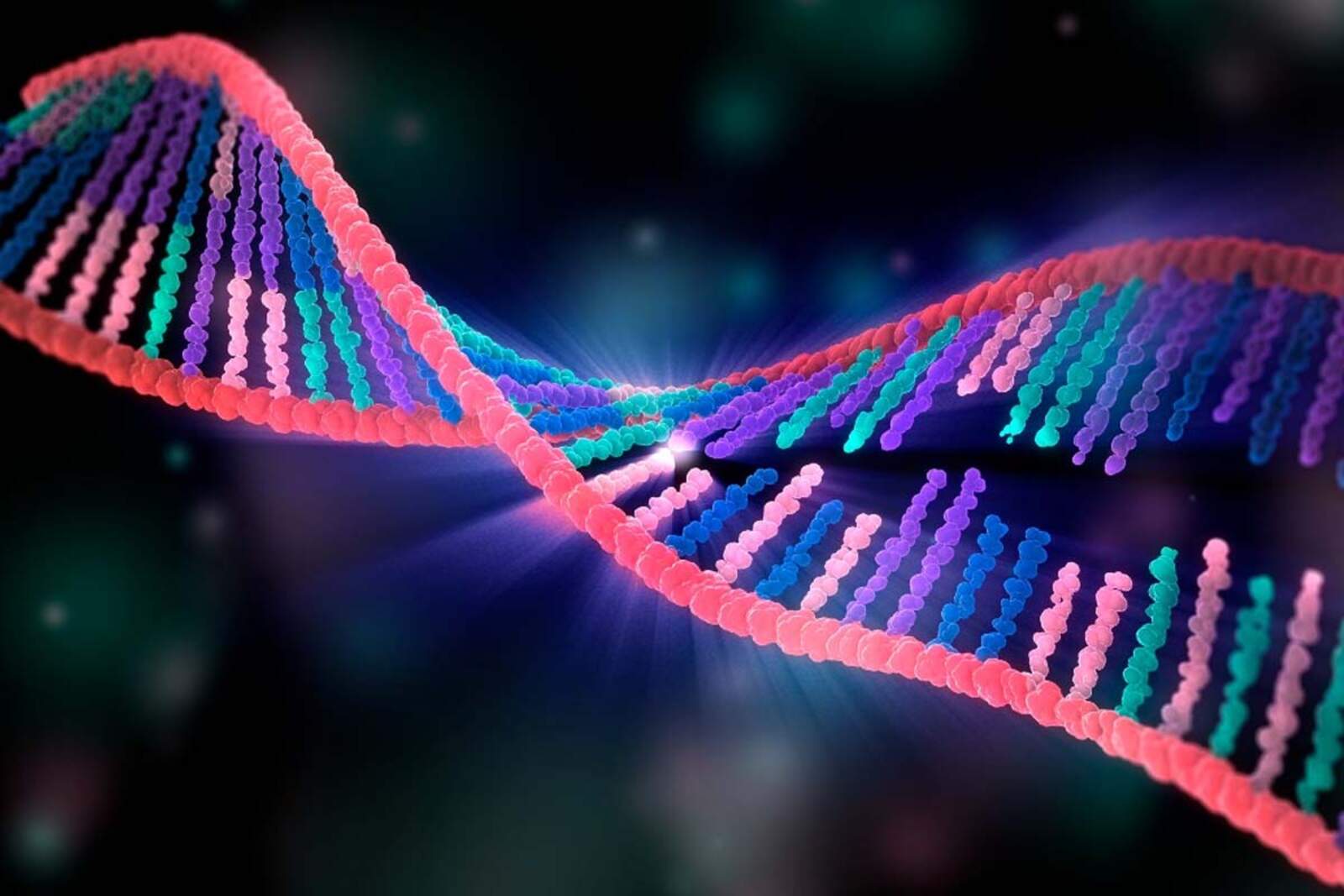
The scientists argue that RNA molecules could have spontaneously interacted with amino acids to form proteins. This solves a central paradox: proteins are indispensable for cells, but they can only be caused within them.
"We managed to reproduce the first step of this complex process with elementary chemistry in neutral water. The reaction was spontaneous, selective, and plausible on early Earth," explained Matthew Powner, co-author of the study.
The role of pantetheine in the experiments
The team used pantetheine, a reactive molecule linked to metabolism and abundant in ancient lakes, to join amino acids in an aqueous environment. This caused an intermediate molecule called aminoacyl thiol.