Canada and China this week gave a new signal of diplomatic and commercial rapprochement with the visit to Ottawa of Chinese Foreign Minister Wang Yi, who stated that Canadian exports to the Chinese market could double in the coming years.
The proposal was favorably received by the government of socialist Prime Minister Mark Carney, who seeks to diversify its economic relations amid trade tensions with the United States, although the rapprochement has also drawn criticism for the growing dependence it could create regarding Beijing.
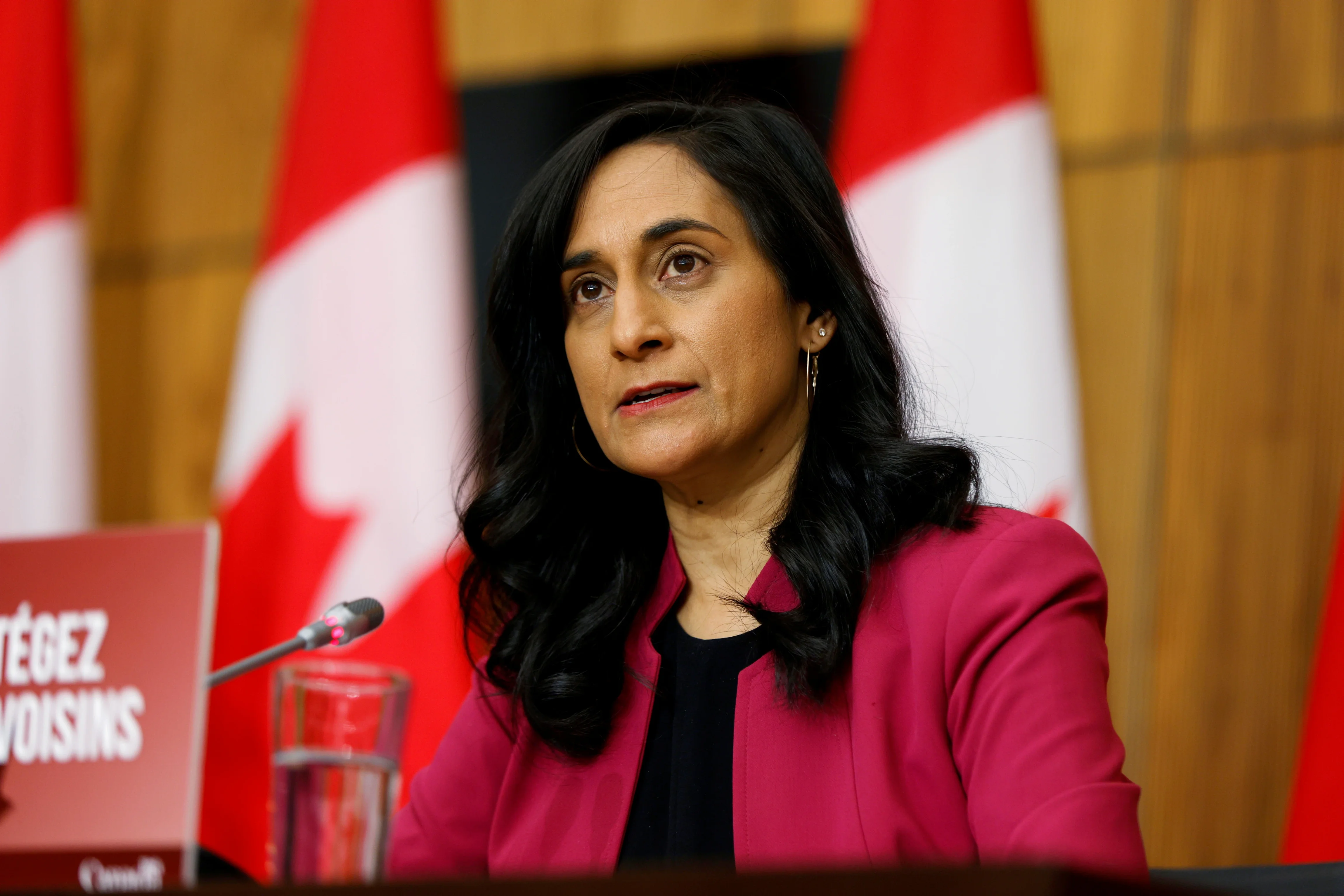
During a meeting with Canadian Foreign Minister Anita Anand, Wang stated that Canada could far exceed its goal of increasing exports to China by 50% by 2030. According to the head of Chinese diplomacy, trade between the two countries has the potential to grow even more and reach an increase close to 100%.
Anand responded by highlighting that Canada is focused on strengthening its economy through diversification of its trade relations. The minister emphasized that the economic link with China remains significant for Ottawa and constitutes an important piece of the government's strategy to expand markets beyond the United States.
The Minister of Foreign Affairs of Carney's socialist government assured that they will seek to increase exports to China by 50% by 2030.
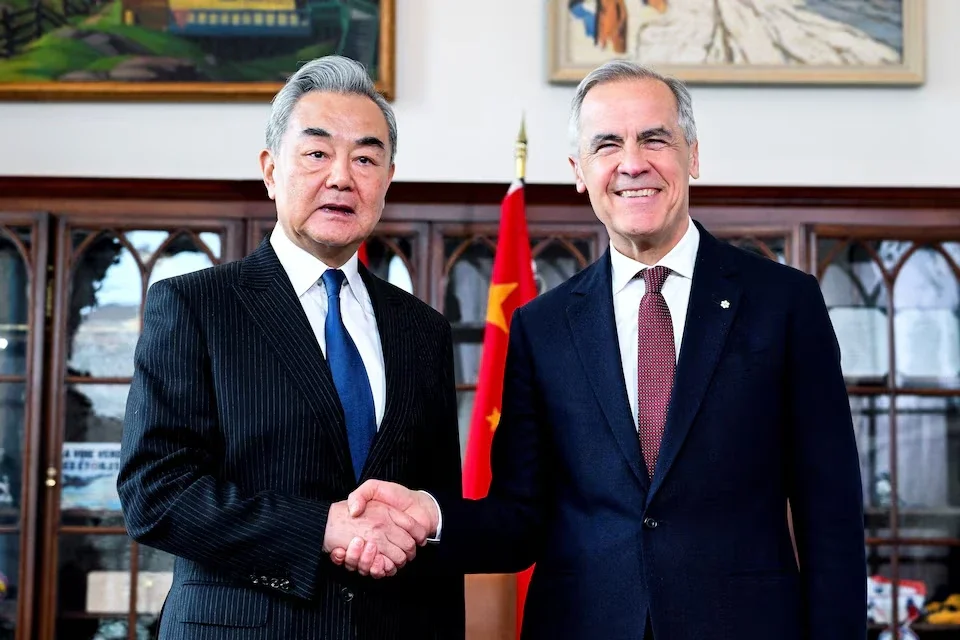
Wang's visit, the first by a Chinese Foreign Minister to Canada in a decade, represents one of the most important gestures in the process of rebuilding a bilateral relationship that has gone through years of diplomatic and commercial tensions. During his stay, the official also held a private meeting with Prime Minister Mark Carney.
According to a statement released by Anand's office after the meeting, both parties discussed issues related to trade, human rights, and foreign interference. The two governments agreed on the need to maintain stable communication channels to deepen cooperation and resolve differences when possible.
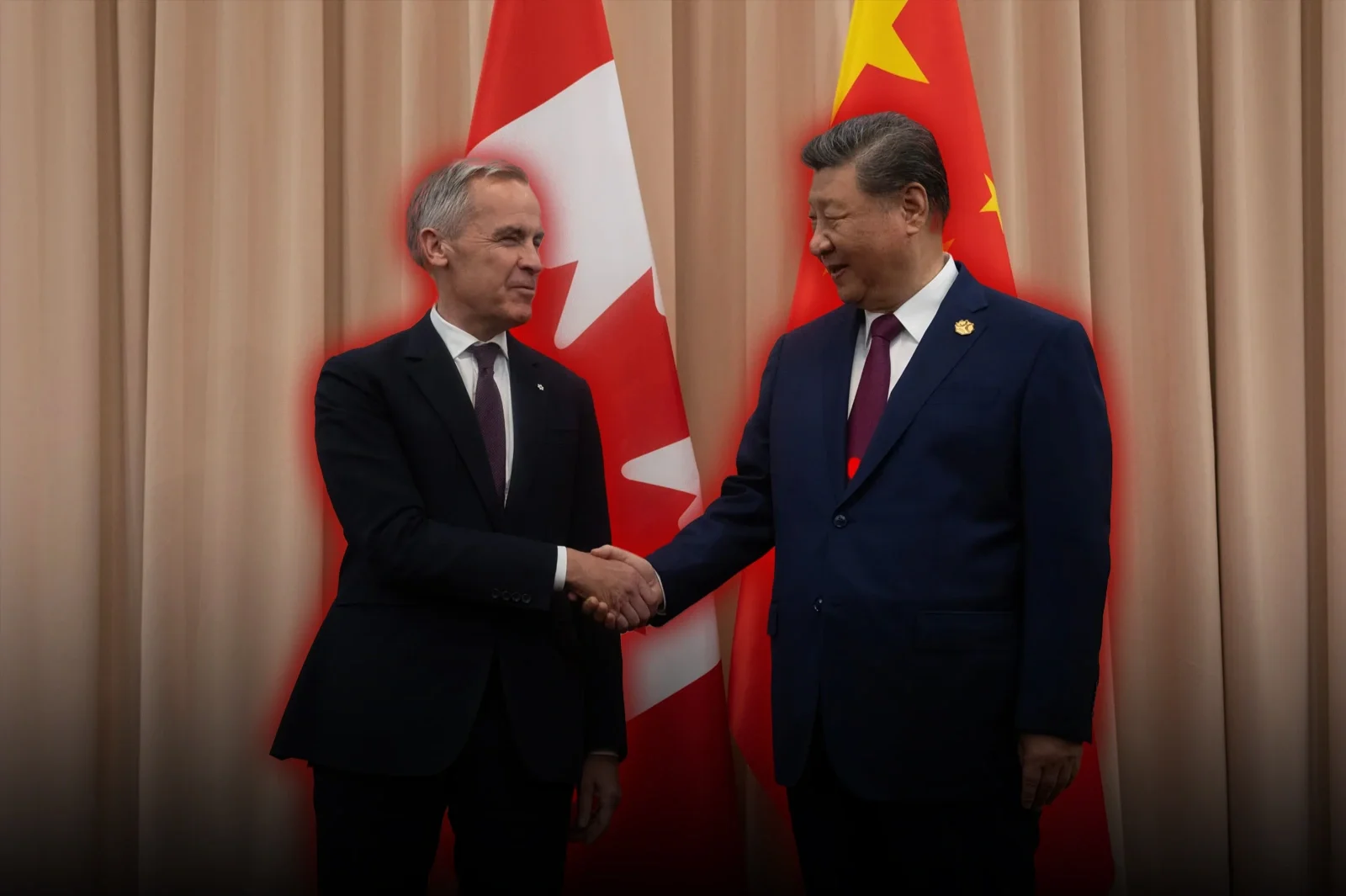
The rapprochement comes after Canada and China reached an initial agreement in January to reduce tariffs on certain products, including electric vehicles and canola. That understanding was driven by Carney, who became the first Canadian head of government to visit China since 2017.
The leftist Prime Minister of Canada held a meeting with the Chinese Foreign Minister.
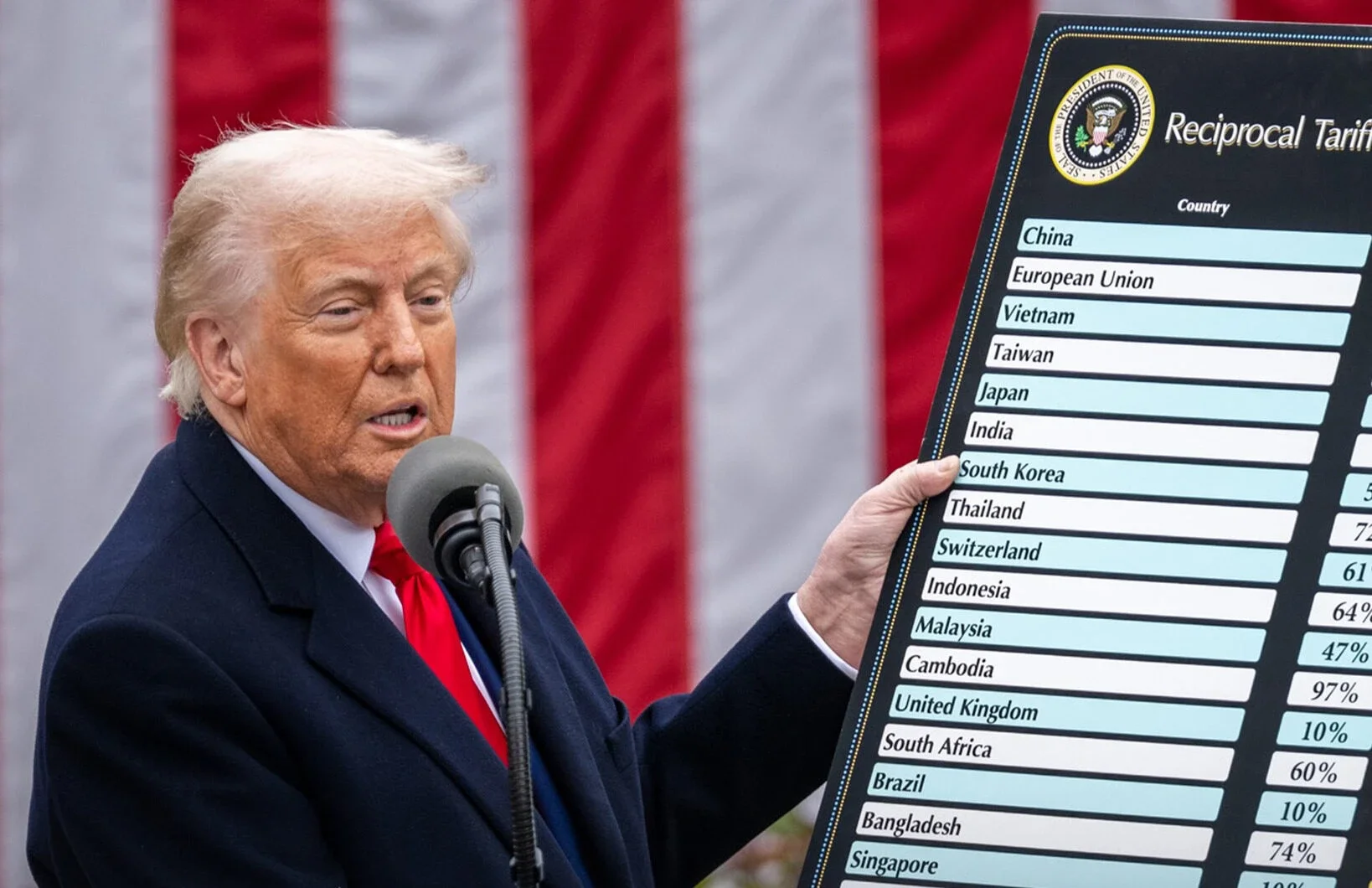
China is currently Canada's second most important trading partner, behind the United States. However, the Canadian government seeks to reduce its dependence on the U.S. market after the administration of Donald Trump imposed new tariffs on Canadian products, deepening trade frictions between the two countries.
Carney has made economic diversification one of the pillars of his agenda. The Prime Minister has promised to double Canadian exports to markets other than the United States over the next decade and has signed more than twenty economic and security agreements in the past year. This week, he also defended in a speech in New York the need to build a new relationship with Washington based on more balanced cooperation.
However, the strategy has generated questions among political sectors and foreign policy experts. Critics argue that reducing dependence on the United States through greater integration with China could expose Canada to new economic and geopolitical vulnerabilities.
The United States government has imposed high tariff rates on Canada due to Ottawa's trade abuses towards Washington.
Various analysts remind us that Beijing has been accused on several occasions of using trade as a tool of political pressure against countries with which it has diplomatic disputes. Canada has experienced episodes of this kind in the past, when Canadian agricultural exports faced restrictions amid bilateral disagreements.
Concerns also persist regarding human rights and Chinese interference in Canadian political affairs. Although these issues were addressed during the official talks, critics argue that Carney's government risks prioritizing economic benefits over national security and democratic values.
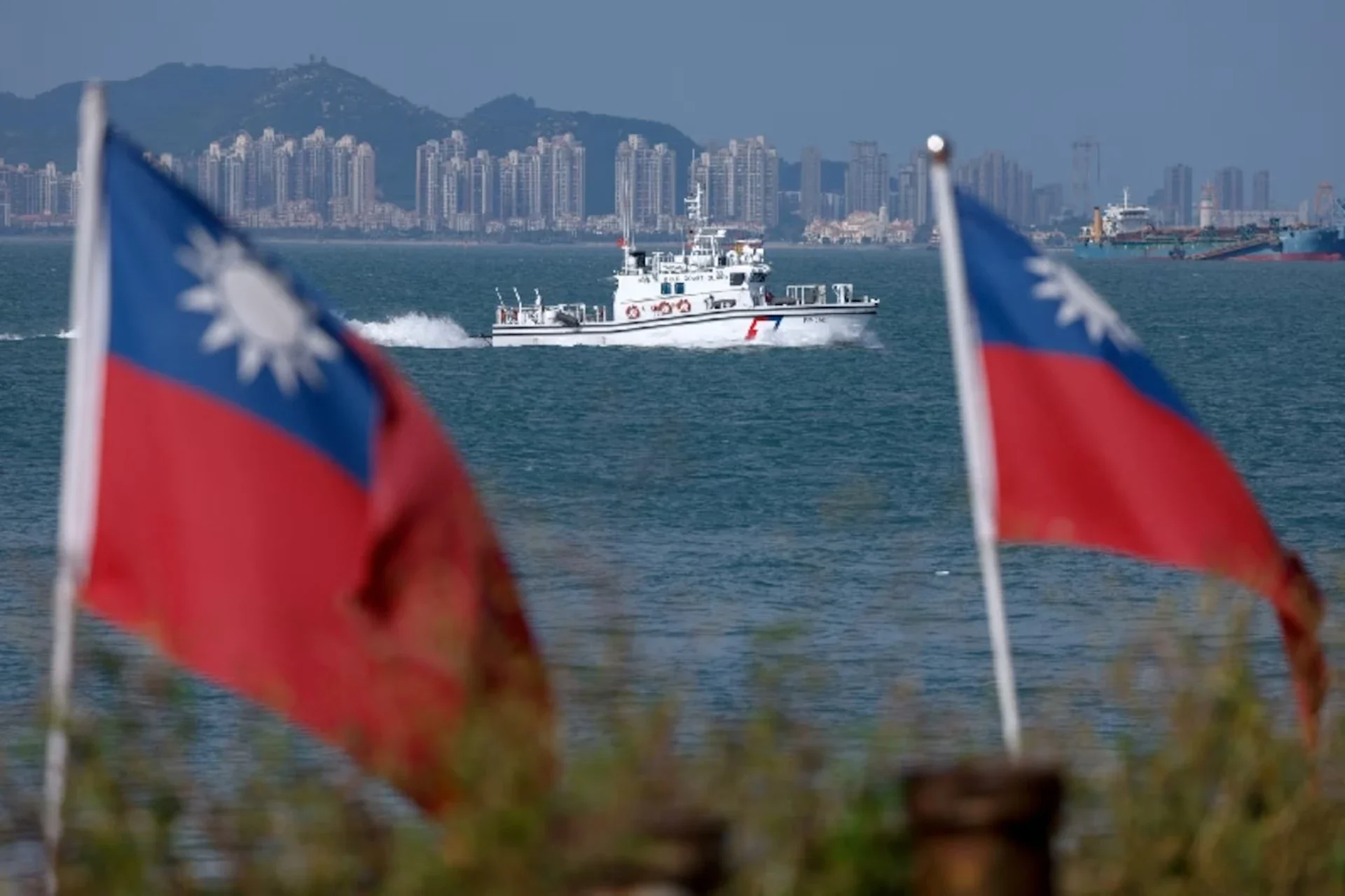
Tensions have also been reflected in the debate over Taiwan. Wang's visit coincided with the recent passage of the Canadian ship HMCS Charlottetown through the Taiwan Strait, an operation that provoked a formal protest from Beijing. China reiterated that it opposes any action it considers a threat to its sovereignty, while Canada maintains its defense of freedom of navigation in the region.
In recent days, the Chinese regime lodged a formal protest against Canada over the incursion of a Canadian vessel through Taiwan.