Democracies face threats that do not always present themselves directly or conventionally. Currently, there is a systematic application of destabilization strategies aimed at undermining democratic governments and forcing their downfall without resorting to a classic coup d'état.
This method, known as "soft coup," is structured in well-defined phases, each designed to progressively weaken the current government until it reaches a point of irreversible crisis.
Phase 1: Softening
The first step consists of intensifying conflicts and fostering popular discontent. Through marches, protests, strikes, and other pressure mechanisms, the aim is to generate a sense of permanent crisis.
Meanwhile, the media and opposition sectors develop opinion matrices focused on real or fictitious problems, amplifying failures in wages, health, or education to erode trust in the government.
Additionally, factors of social unrest are promoted, such as shortages, crime, or manipulation of economic expectations. This stage is also fueled by corruption allegations, sectarian intrigues, and conspiratorial narratives that deepen instability.
El Manual del Golpe Blando: estrategias para la desestabilización
Phase 2: Delegitimization (current phase)
At this point, the strategy shifts to manipulating public opinion, attacking the government's legitimacy. Historical prejudices against private property, business, police, and concepts like neoliberalism are exploited.
The opposition discourse is radicalized through the idea that the government limits press freedom and human rights. Allegations of censorship and persecution of journalists are added, aiming to feed the perception of an authoritarian regime.
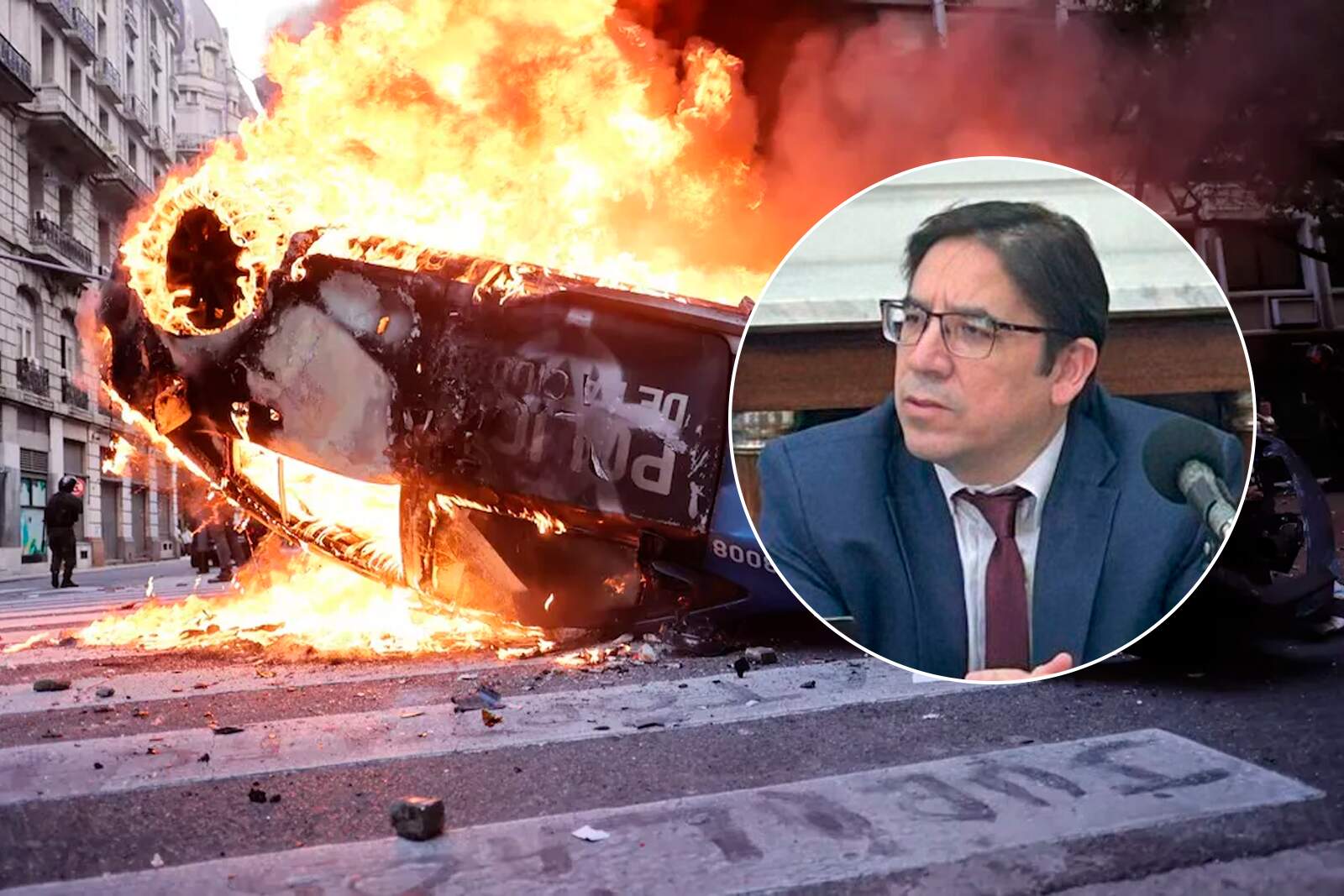
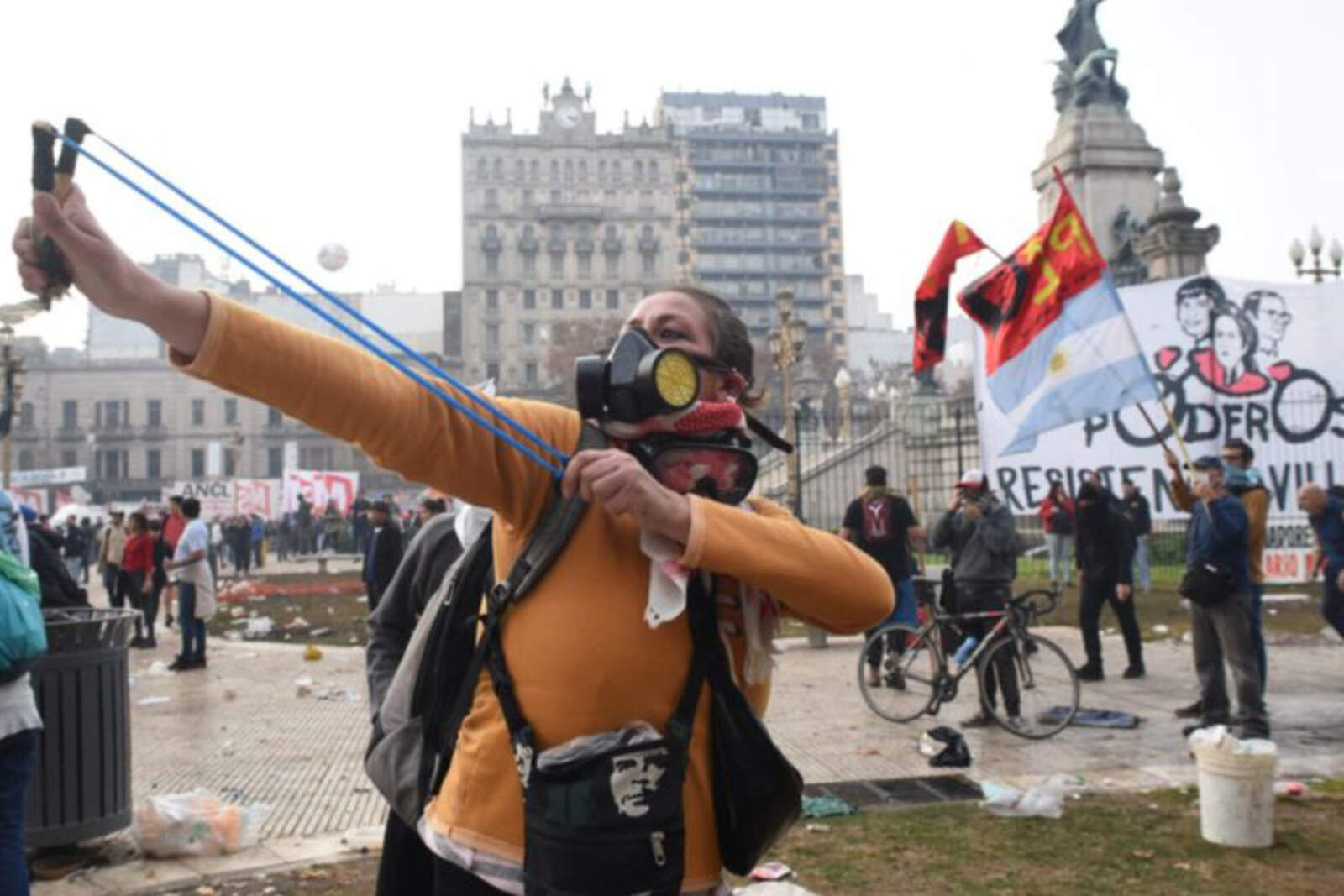
Accusations of totalitarianism and single-mindedness are reinforced, and social confrontation deepens through ethical-political fracture. More violent protests are promoted, seeking to generate injuries or deaths to construct the narrative of a dictatorship.
Phase 3: Street Heating (what's coming next)
Once the government's legitimacy is weakened, street pressure increases. Constant mobilization and the unification of political and social demands through a "Multisectoral" are encouraged.
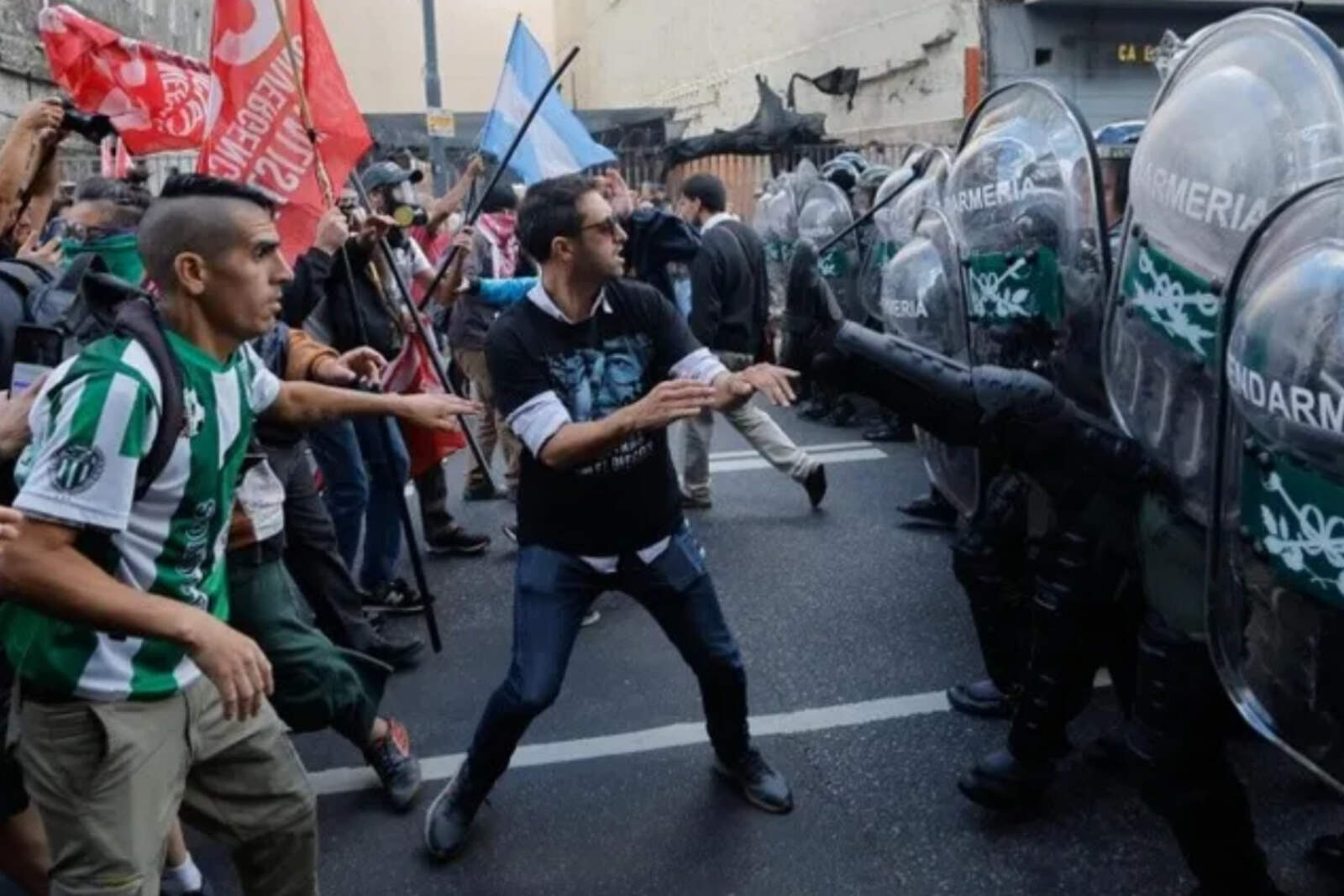
This phase is characterized by the generalization of massive protests, the constant exposure of governmental failures, and the radicalization of confrontation through street blockades and occupations of public institutions.
Phase 4: Combination of Various Forms of Struggle
The process becomes more aggressive. Marches and occupations of government buildings are organized to take them over and turn them into propaganda platforms.
El Manual del Golpe Blando: estrategias para la desestabilización
Additionally, psychological warfare operations and armed actions are activated to justify repressive measures and sow a climate of ungovernability. Rumors among military forces are intensified to weaken the cohesion of security agencies.
Phase 5: Institutional Fracture
The ultimate goal is the fall of the government. Through the use of violent protests, occupations of institutions, and military pronouncements, the aim is to force the president's resignation.
If the attempt fails, the strategy adapts: street pressure is maintained, and it shifts toward armed resistance. The situation may lead to a prolonged conflict, with calls for civil war driven by extremist sectors.
Internationally, the isolation of the government is promoted with the support of progressive NGOs and organizations like the UN, reinforcing the siege on the current administration.
These methods, based on the ideas of Gene Sharp, were used in different countries to erode democratic governments. However, the success of this strategy depends on the government's and citizens' ability to recognize and dismantle these attempts before they reach their final phase.