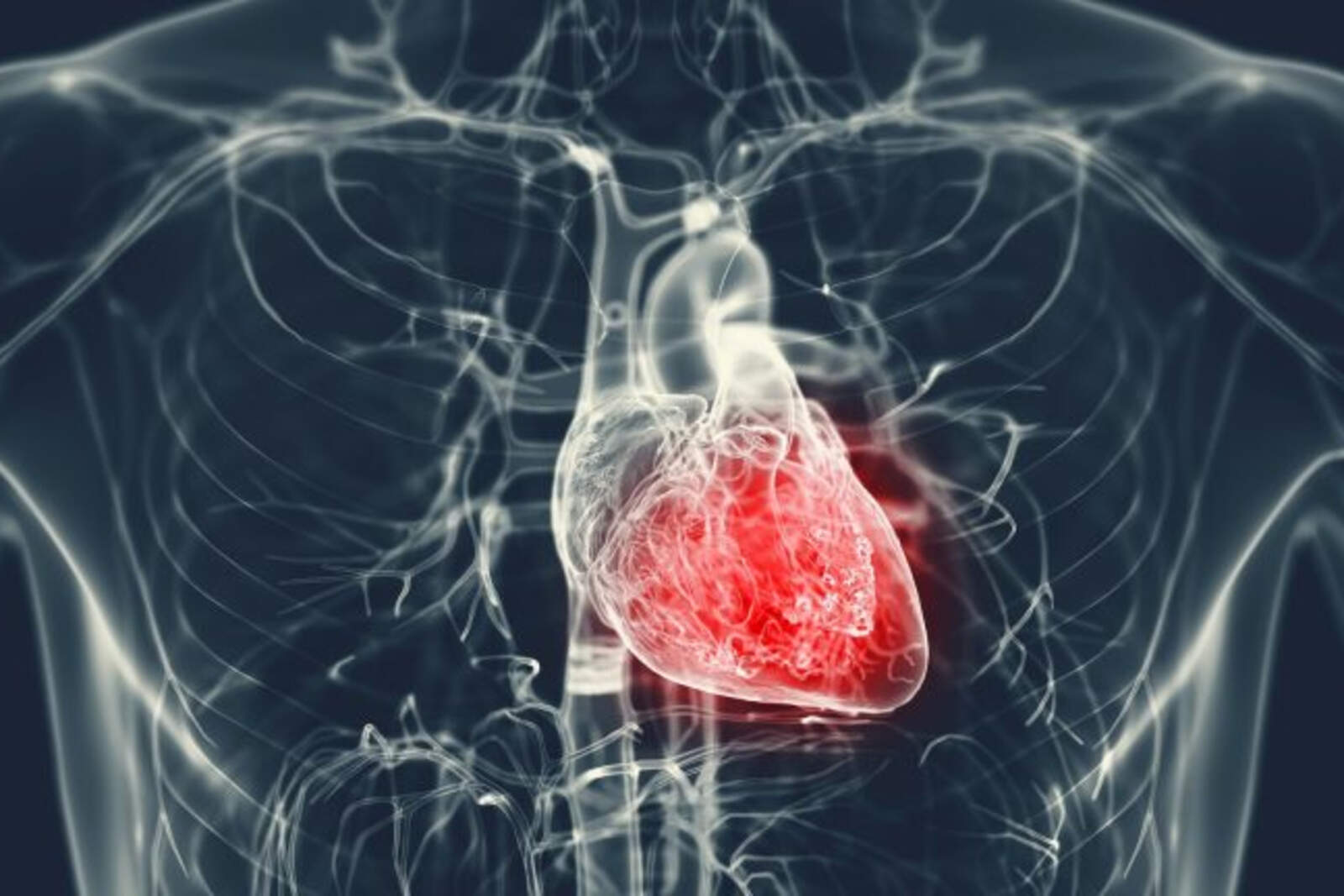
The aim is to understand why some people may develop myocarditis or pericarditis after receiving immunizations
Nuevo
Agregar La Derecha Diario en
Compartir:
A new study from Stanford University has reopened the debate about cardiac inflammation episodes caused by COVID-19 vaccines, by identifying a possible immunological mechanism that could explain why some people may develop myocarditis or pericarditis after receiving mRNA-based immunizations.
Although scientists emphasize that these events remain infrequent, the research provides data on how the immune system, under certain conditions, can overreact to the RNA introduced by the vaccines, causing damage to heart cells.
According to British health records, more than 2,000 people in Great Britain suffered inflammation of the heart or the lining of the heart after vaccination, with a higher incidence in young males. Most cases were linked to mRNA vaccines, such as those developed by Pfizer and Moderna, which use a model of the virus's spike protein to trigger immunity.
Una vacuna.
The Stanford team discovered that some components of the immune system can identify the vaccine's RNA as foreign material and trigger an intense inflammatory response. This process can, in rare cases, inflame heart cells.
Professor Joseph Wu, director of Stanford's Cardiovascular Institute, explained the findings in detail: "Overall, our study shows that the vaccine fulfills its intended purpose of inducing a memory immune response against future infections."
"However, in the acute phase, the vaccine can induce the release of cytokines (immune signaling proteins) that make patients feel unwell, for example, fever, muscle and joint pain that generally solve with ibuprofen, but very rarely can cause myocarditis," he added.
Wu added that these inflammatory molecules are indispensable for protecting the body, but can become toxic if produced in excess. For this reason, he anticipated possible technological improvements: "In the future, better and safer vaccines could be designed that preserve long-term memory and mitigate short-term cytokine release."
Una vacuna.
Epidemiological data show that vaccine-related myocarditis with mRNA vaccines occurs in one out of every 140,000 people after the first dose, one out of every 32,000 after the second, and reaches a peak incidence in young males, with one out of every 16,750 vaccinations.
Symptoms appear between one and three days later and include chest pain, fever, palpitations, and shortness of breath. Recovery is usually rapid, although sometimes hospitalization is required, and in the worst cases it can cause death.
In the study, researchers analyzed blood from vaccinated individuals, including those who developed myocarditis, and detected elevated levels of two immune signaling proteins in the affected patients. These molecules act together, amplifying the immune response but also causing damage to heart tissue.