
Taiwan reaffirmed that it will continue to deepen its strategic cooperation with the United States to preserve peace and stability in the Taiwan Strait in the face of the military and diplomatic advances of the Chinese regime.
The announcement comes amid growing regional tension and just hours before the summit between Donald Trump and Xi Jinping in Beijing, where the Taiwan issue appears as one of the main focal points of geopolitical conflict.
Taiwan approved a massive military package with support from Washington
The Taiwanese Parliament approved a supplemental budget to finance new purchases of U.S. weapons amounting to up to USD 24.8 billion.
The package includes:
USD 9.5 billion in already authorized sales
A second additional block in the approval process
New artillery systems and long-range missiles
Among the most relevant acquisitions are:
111 HIMARS systems
504 ATACMS tactical missiles
Armament with a range of up to 300 kilometers
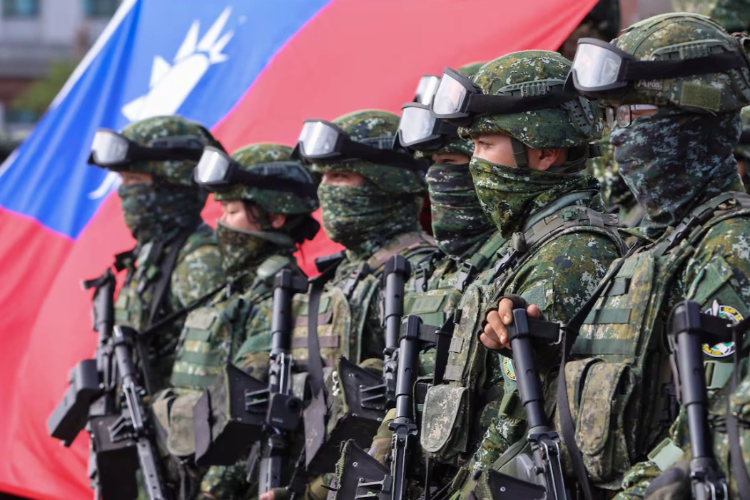
Taiwan seeks to thwart any attempt at a Chinese invasion
Military sources cited by Taiwanese media indicated that some of these systems will be strategically deployed on the Penghu and Dongyin islands.
The strategy aims to create "dead zones" that hinder any advance of the Chinese People's Liberation Army toward Taiwanese territory.
The spokesperson for the Taiwanese Ministry of Foreign Affairs, Hsiao Kuang-wei, stated that the island's defense policy seeks to strengthen deterrence capability and demonstrate to the world Taiwan's willingness to defend its sovereignty.
Trump hardens the stance against China
The Trump administration publicly reaffirmed its military and political support for Taiwan.
Before meeting with Xi Jinping, Trump confirmed that he would directly address U.S. arms sales to the island:
"President Xi would prefer that we not do it, but it is one of the multiple issues I will address," said the U.S. president.
The U.S. support was also reflected in the massive military package approved last December, considered the largest arms agreement in history between Washington and Taipei.
China intensifies military threats
From Beijing, they again rejected the arms sales and accused the United States of interfering in China's internal affairs.
However, Taiwan reports that the Chinese regime continues to increase: