
La Derecha Diario logo
ESX logoInstagram logoYouTube logoTikTok logoFacebook
ARGENTINABOLIVIAECUADORISRAELMEXICOURUGUAYDERECHA DIARIO TV
  • ES
    XInstagramYouTubeTikTokFacebook
  • DERECHA DIARIO TV
  • Secciones
  • ARGENTINA
  • BOLIVIA
  • ECUADOR
  • ISRAEL
  • MEXICO
  • URUGUAY
  • Países
  • La Derecha Diario logoLA DERECHA DIARIO
  • La Derecha Diario México logoLA DERECHA DIARIO MÉXICO
  • La Derecha Diario Uruguay logoLA DERECHA DIARIO URUGUAY
  • La Derecha Diario Ecuador logoLA DERECHA DIARIO ECUADOR
  • La Derecha Diario Bolívia logoLA DERECHA DIARIO BOLÍVIA
  • La Derechadiario República Dominicana logoLA DERECHADIARIO REPÚBLICA DOMINICANA
  • La Derecha Diario Israel logoLA DERECHA DIARIO ISRAEL
  • La Derecha Diario Estados Unidos logoLA DERECHA DIARIO ESTADOS UNIDOS
  • Temas
  • GUERRA EN IRÁN
  • JUICIO POR YPF
  • El Diario
  • QUIENES SOMOS
  • AUTORES
  • PUBLICIDAD
  • DONAR

Tax relief for the fattening of livestock: taxes will be deferred until sale.

Tax relief for the fattening of livestock: taxes will be deferred until sale.
Imagen de Editorial Team
porEditorial Team
Argentina

Law 27.802/2026 officializes the estimated cost system through annual revaluation, benefiting feedlots and fattening operations by correcting taxation on unrealized potential gains.

NuevoAgregar La Derecha Diario en
Compartir:

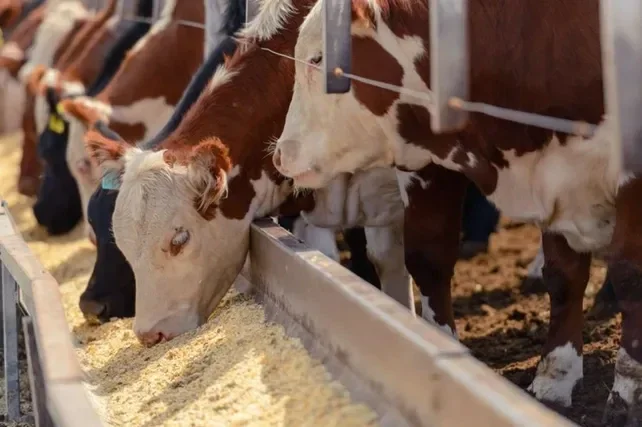
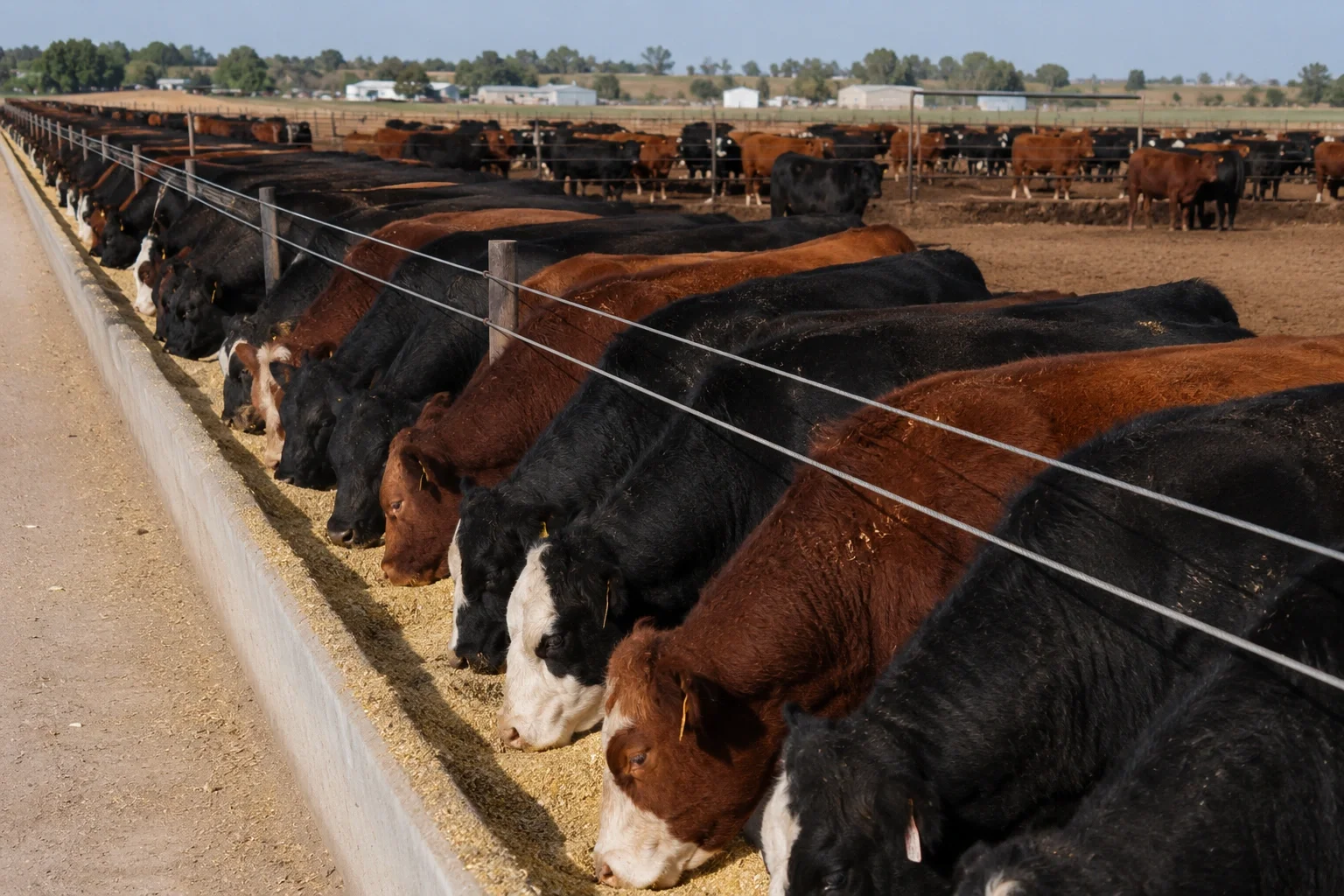
The Argentine livestock industry received a long-awaited measure from producers dedicated to fattening and wintering. Through Law 27.802/2026, the Ministry of Economy officially announced a change in the tax valuation of animals, which reduces the tax burden on one of the most important activities in the field.

The Secretariat of Agriculture, Livestock, and Fisheries announced the modification in the calculation of the value of livestock for wintering establishments and feedlots. Now, producers will be able to opt for an estimated cost system with annual revaluation, using indices from the tables of Law 23.079 for heifers and steers aged one to two years.

Until now, many breeders had to pay taxes on valuations close to market prices even without having sold the animals. This created a burden on profits that had not yet materialized, affecting cash flow during the long fattening process.

With the new scheme, the tax is deferred until the actual sale of the fattened animal, when the money truly comes in. This way, a distortion that penalized capital immobilized in the field is eliminated.

Less tax burden for the fattening of livestock

New scenario for producers

In the livestock sector, this decision is interpreted as a significant relief, especially in a context of tight margins, high financial costs, and economic volatility. The measure improves predictability and allows for better production planning.

“It eliminates a tax penalty on immobilized capital,” summarized a producer from the Pampas region. This phrase reflects the general sentiment in the field following the announcement.

The government highlights that this is part of actions to strengthen strategic sectors in generating foreign currency and employment. In the beef chain, the goal is to maintain export competitiveness without neglecting local supply.

Meat exports remain key for dollar income. Therefore, this reduction in the tax burden during the fattening period aims to give more maneuvering room to establishments, especially medium and large ones with intensive or full-cycle systems.

Imagen 1404918

Reception in the rural sector

Rural entities received the news positively, although they emphasized the need to continue advancing in a deeper tax reform for the entire agricultural activity. Specialists agree that the benefit will be significant for those working with feedlots.

Beyond the numbers, the modification has a symbolic value: it recognizes the biological particularities of livestock, where animals require months of investment before generating profitability. This reinstates the debate on how to adapt taxes to long production cycles.

In the country's livestock heartland, expectations revolve around recovering investment capacity and stimulating beef production. With lower tax pressure, producers will be able to focus resources on improving their systems and increasing efficiency.

The livestock industry remains a pillar of the Argentine economy. This measure aims to consolidate its strategic role, favoring the development of an activity that generates employment and genuine foreign currency at a time of dynamism for agriculture.


La Derecha Diario logo
TwitterInstagramYouTubeTikTokFacebook
Derecha Diario TV

Nosotros

  • Quienes Somos
  • Autores
  • Donar

Privacidad

  • Protección de datos
  • Canales
  • Sitemap
  • RSS

Contacto

  • info@derechadiario.com.ar
PUBLICIDAD

Noticias relacionadas

Hernán Crespo confessed what he told Cristiano Ronaldo after eliminating him.

Hernán Crespo confessed what he told Cristiano Ronaldo after eliminating him.

Toto Caputo met with Apple executives after the strong increase in iPhone sales in Argentina.

Toto Caputo met with Apple executives after the strong increase in iPhone sales in Argentina.

Javier Milei in Neura: "We will continue deregulating and opening up the economy"

Javier Milei in Neura: "We will continue deregulating and opening up the economy"

The future of Google is a search bar that does it all.

The future of Google is a search bar that does it all.

The Government strengthened coordination between the SIDE and the Foreign Ministry to protect Argentinians.

The Government strengthened coordination between the SIDE and the Foreign Ministry to protect Argentinians.

Milei Effect: Decathlon opens its 2,500 m² megastore in Córdoba

Milei Effect: Decathlon opens its 2,500 m² megastore in Córdoba