The microsatellite developed in Falda del Cañete will be integrated into NASA's flight scheduled for March 6, 2026
Nuevo
Agregar La Derecha Diario en
Compartir:
The aerospace industry of the province of Córdoba will reach an unprecedented milestone by actively participating in the upcoming lunar exploration. The device called Atenea will accompany the crew of the Artemis II mission on a journey that will mark the human return to the Moon after more than 50 years of waiting. This project entails a substantial breakthrough by placing equipment from Córdoba in the most demanding and complex setting of all space exploration.
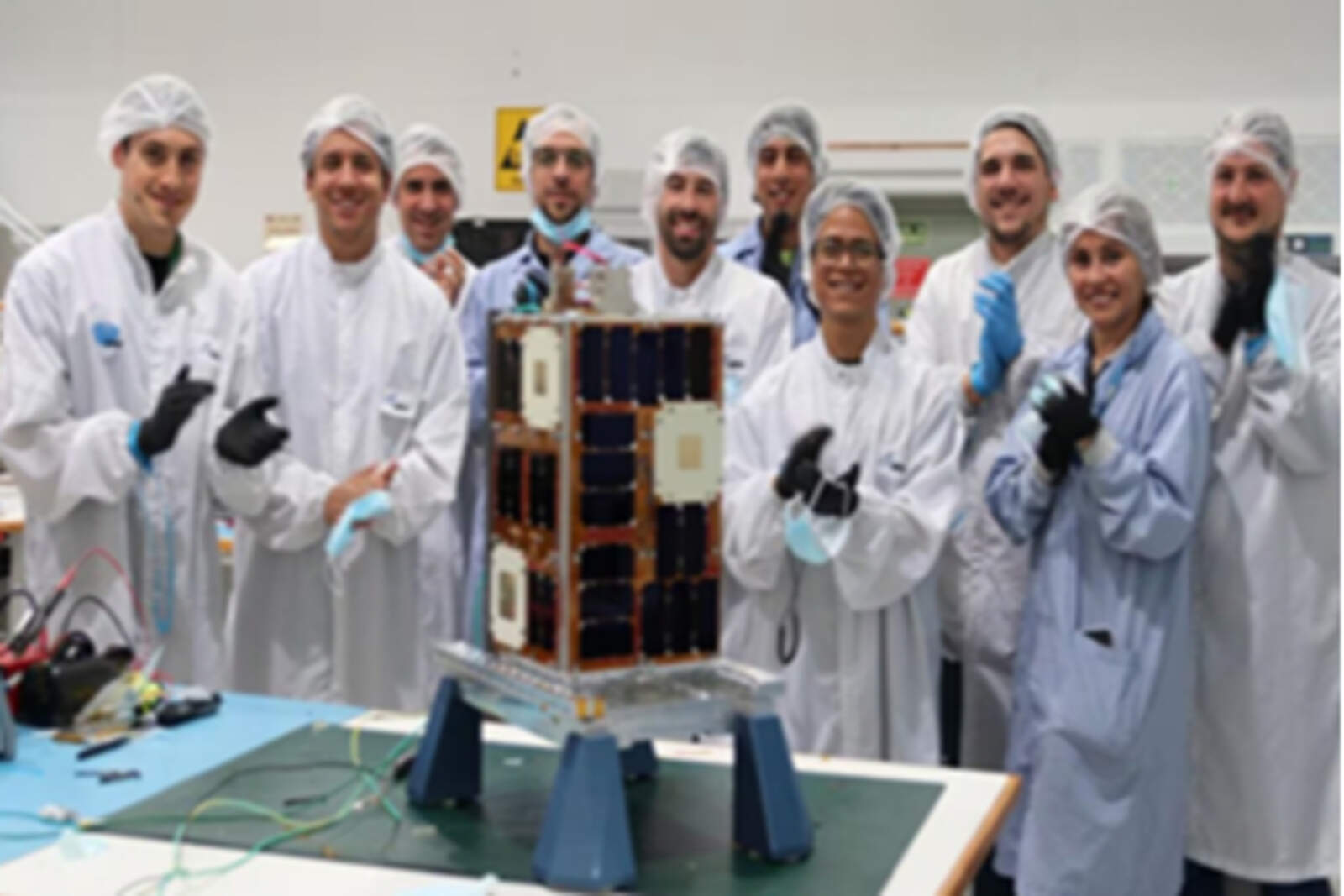
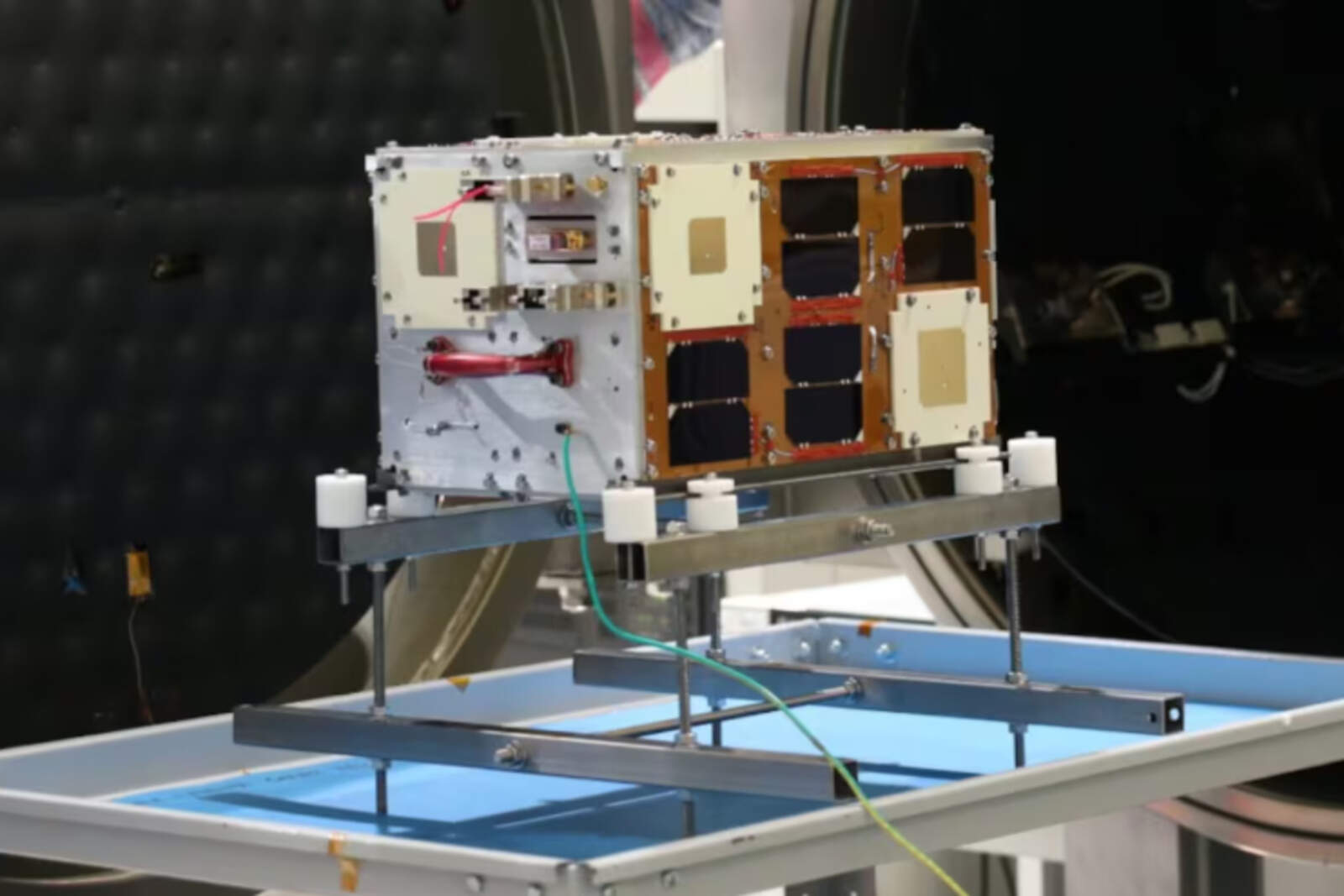
With an approximate weight of 11 kilos (24.25 pounds), this CubeSat-type microsatellite was entirely designed and assembled by experts in the territory of Córdoba. Specialists from the company VENG worked in Falda del Cañete to ensure that every component withstands the extreme conditions of the space environment. This is the first device of Argentine origin that will manage to position itself in a deep orbit located more than 70,000 kilómetros (43,495.98 miles) from Earth.
The official launch is scheduled for Friday, March 6, 2026 from the Kennedy Space Center located on the coasts of the United States. The spacecraft will travel as secondary cargo inside NASA's SLS rocket, the most powerful launch vehicle built so far. Marcelo Colazo, Technology Liaison Manager at CONAE, stated: “In addition to the importance that Artemis II has, as the return of a crewed mission to the Moon, for us having our Atenea mission travel makes it a historic event”.
Atenea, el microsatélite desarrollado en Falda del Cañete que se integrará al vuelo de la NASA
Technological development with a local university seal
Marcelo Colazo also emphasized that: “This is the first time that we are leaving low orbits and going into deep space with an Argentine mission”. During the 10 days that the journey will last, 4 human crew members will validate various critical systems for future settlements. The electronics of the small satellite were created through the collaboration of various institutions from the university ecosystem throughout the country.
Nicolás Balbi, ATENEA project coordinator for VENG, pointed out that: “It has a lot of electronics developed by the entire ecosystem of universities in Argentina; it is important that all that electronics works and that its operation is validated in flight”. The electronic integration tests required strict control over variables such as humidity, temperature, and environmental contamination. The technical staff used special rooms manufactured under international standards to guarantee the suitability of the device before its exportación.
Mariela Toledo, VENG's electronic integration coordinator, explained that: “These are products that go into space, therefore the conditions are very particular: contamination, humidity, and temperature must be controlled. That's why there is a specially manufactured room to ensure that everything is suitable for space”. Atenea will perform the function of measuring radiation in distant orbits and evaluating national components for long-range and high-power communications. Concluding the sentiment of the working group, Toledo summed it up with pride by saying that: “It is truly exciting to experience it and to know that we are part of it”.