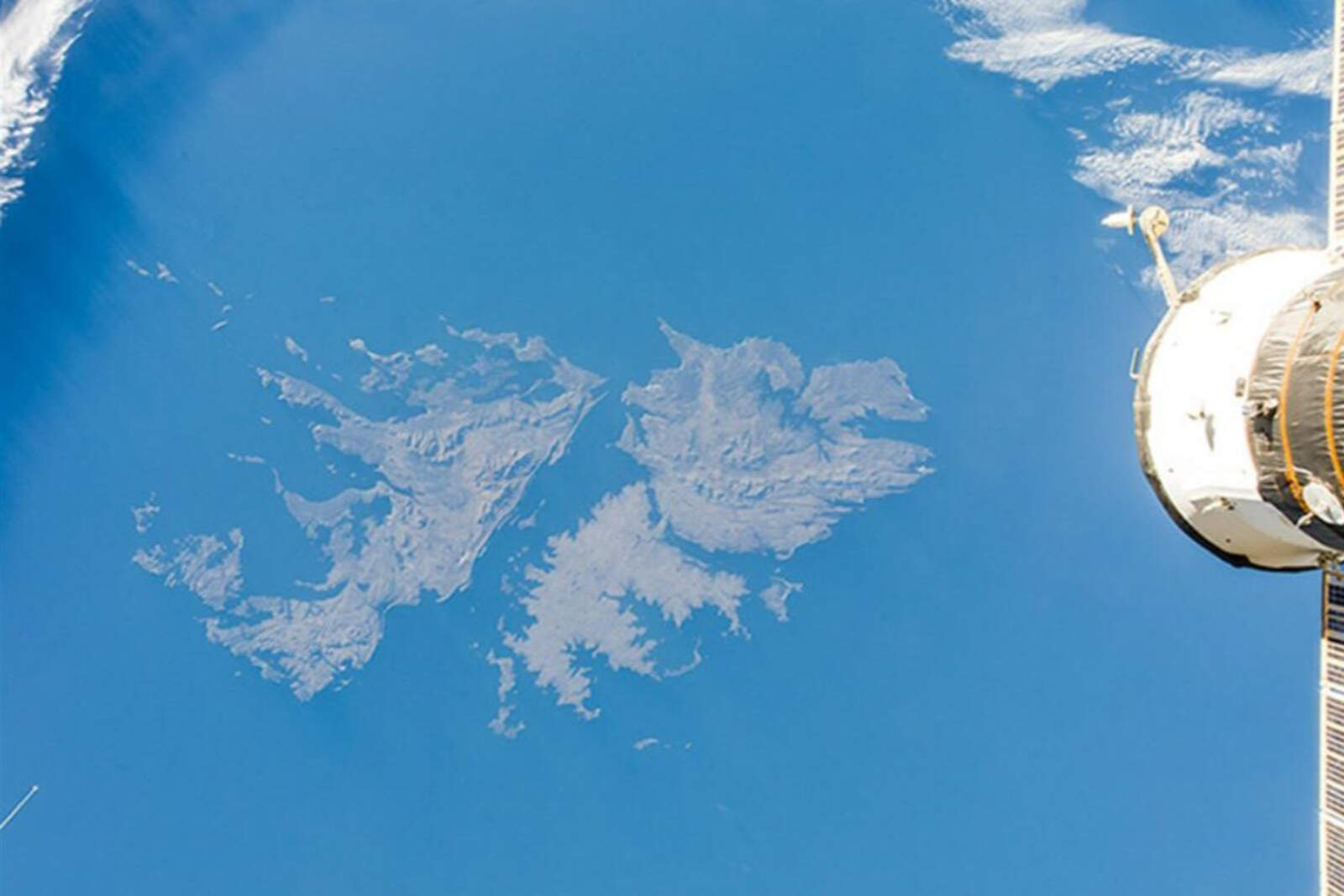

The Economist highlights that Milei's role has been central in this transformation. His ideological affinity with the Donald Trump administration, his conciliatory stance regarding the islands, and his Western-oriented vocation have paved the way for a diplomatic détente that seemed unthinkable just a few years ago.
Meanwhile, the Argentine Government garnered strong regional support at the recent LXVI MERCOSUR Presidents Summit, held on July 3, 2025. The heads of state of Argentina, Bolivia, Brazil, Paraguay, Uruguay, and Panama, along with representatives from Ecuador, Colombia, Chile, and Peru, reaffirmed the terms of the historic 1996 Potrero de los Funes Declaration.
The leaders reiterated their support for the legitimate rights of the Argentine Republic in the dispute over the Falkland Islands, South Georgia, and South Sandwich Islands, on the 60th anniversary of the adoption of UN Resolution 2065. They also questioned the United Kingdom's "unilateral measures" in the region—such as the exploration of natural resources—noting that these violate Resolution 31/49 of the international body.
The States Parties agreed to undertake a new diplomatic initiative before the Secretary-General of the United Nations to renew efforts in the good offices mission, in order to facilitate dialogue between Argentina and the United Kingdom and move toward a "peaceful solution" to the dispute.