ESA released an unprecedented visualization of the regions where new stars are born in the Milky Way
Nuevo
Agregar La Derecha Diario en
Compartir:
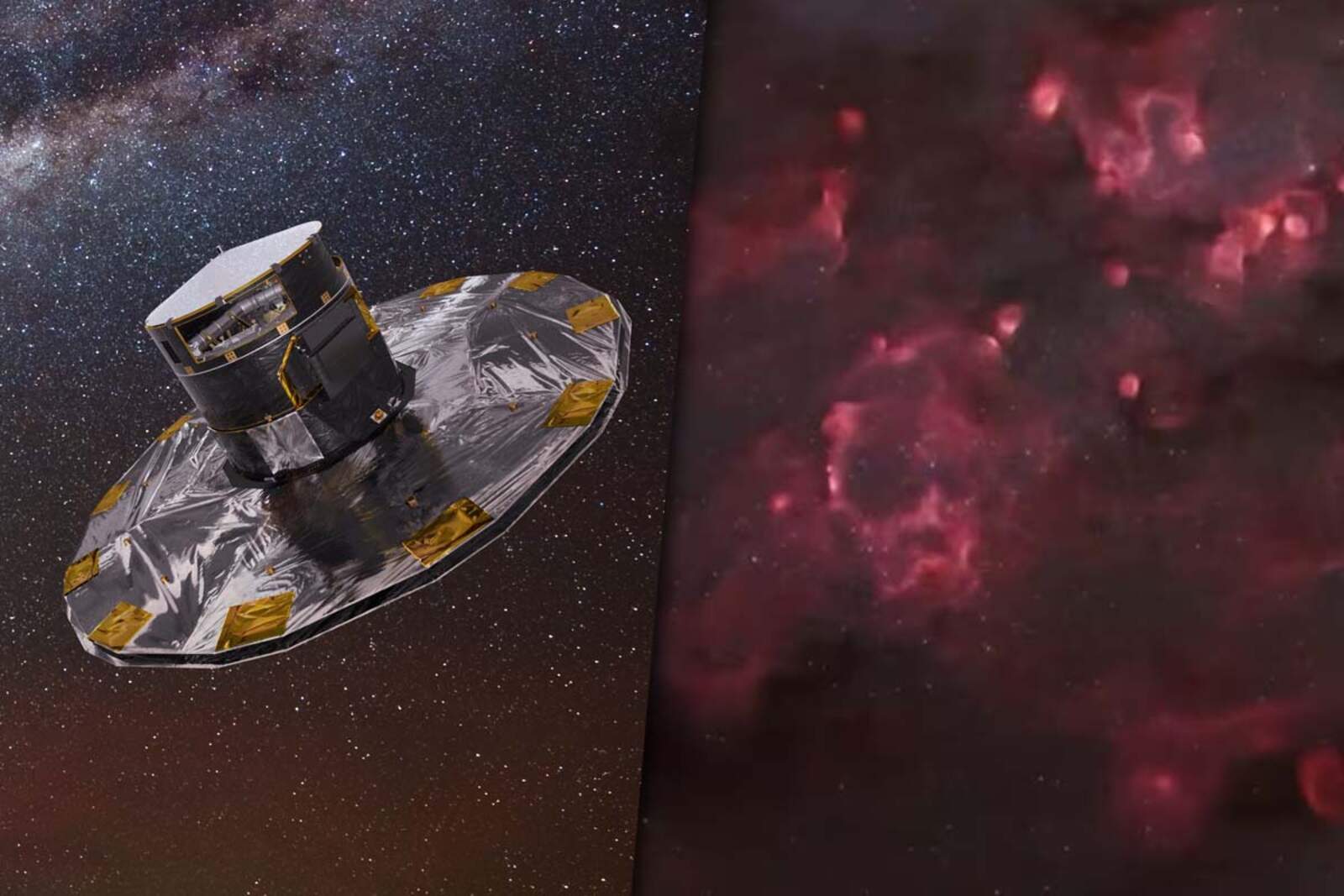
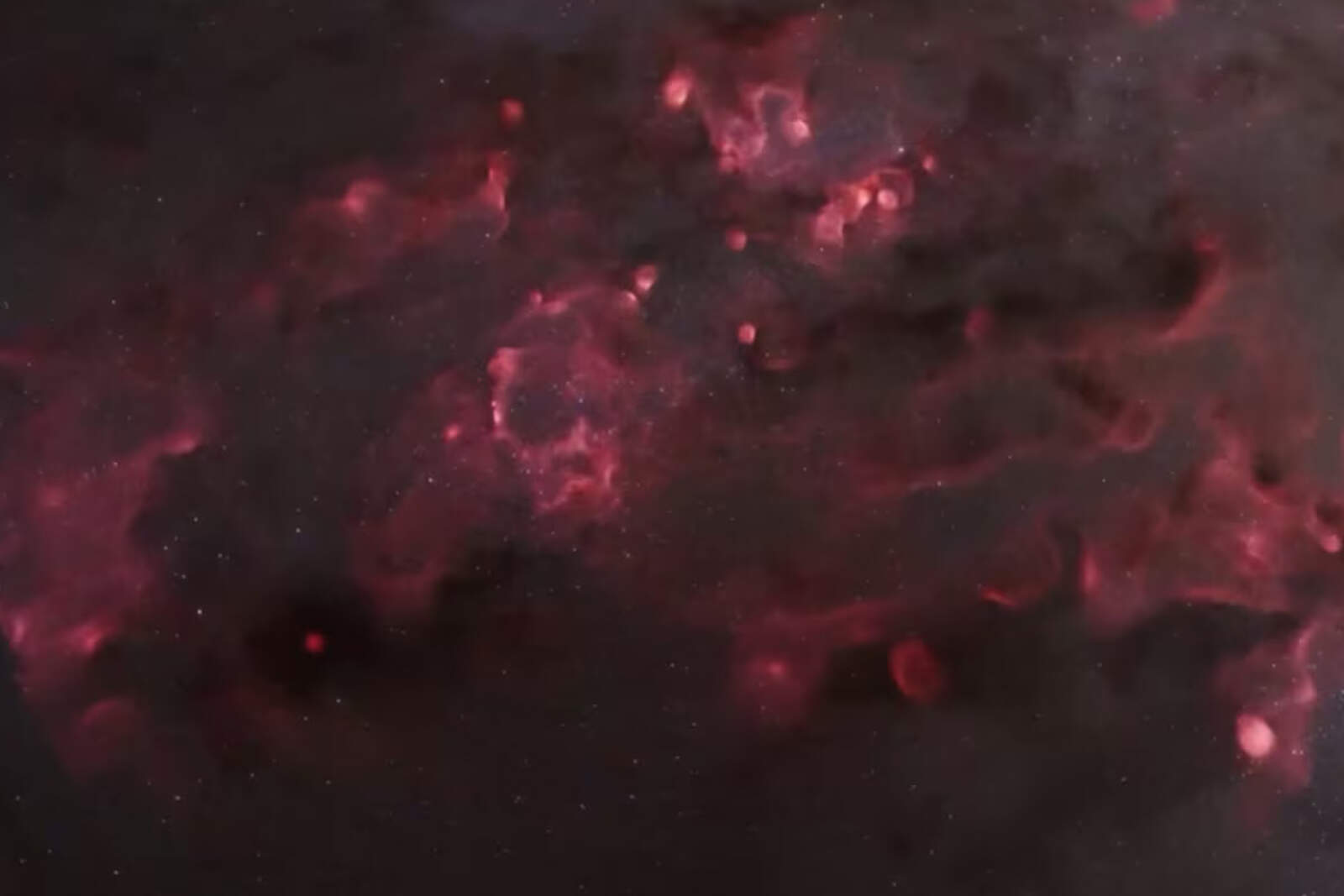
The European Space Agency (ESA) has shared a never-before-seen 3D visualization of the so-called stellar nurseries, the regions where new stars are born in our galaxy. The material was caused from data collected by the Gaia space telescope.
Thanks to the survey, scientists were able to map more than 44 million stars within a radius of 4,000 light-years around the Sun.This made it possible to show, with a level of detail never seen before, the complex structure of gas and dust where these young stars are formed.
"Viveros estelares": las regiones donde nacen nuevas estrellas en nuestra galaxia
A three-dimensional map of the Milky Way
The project, led by Lewis McCallum from the University of St Andrews, succeeded in measuring stellar extinction, that is, the amount of light blocked by cosmic dust. That information made it possible to reconstruct hidden areas and obtain a 3D model that matches observations from other telescopes.
"Gaia gives us the first accurate view of what our part of the Milky Way would look like from above," McCallum explained in a statement released by ESA.
The highlighted regions of the map
Among the most striking sectors are the Gum Nebula, the North America Nebula, the California Nebula, and the Orion-Eridanus superbubble. Researchers can even take a "virtual journey" through these areas to observe how the stars inside them evolve.
What stellar nurseries are
Stellar nurseries are huge clouds of gas and dust that act as cosmic cradles. The material is concentrated by gravity until a core ignites and gives rise to a new star.
Although they are often hidden behind dense clouds of dust, astronomers detect them thanks to specialized telescopes and advanced observation techniques.