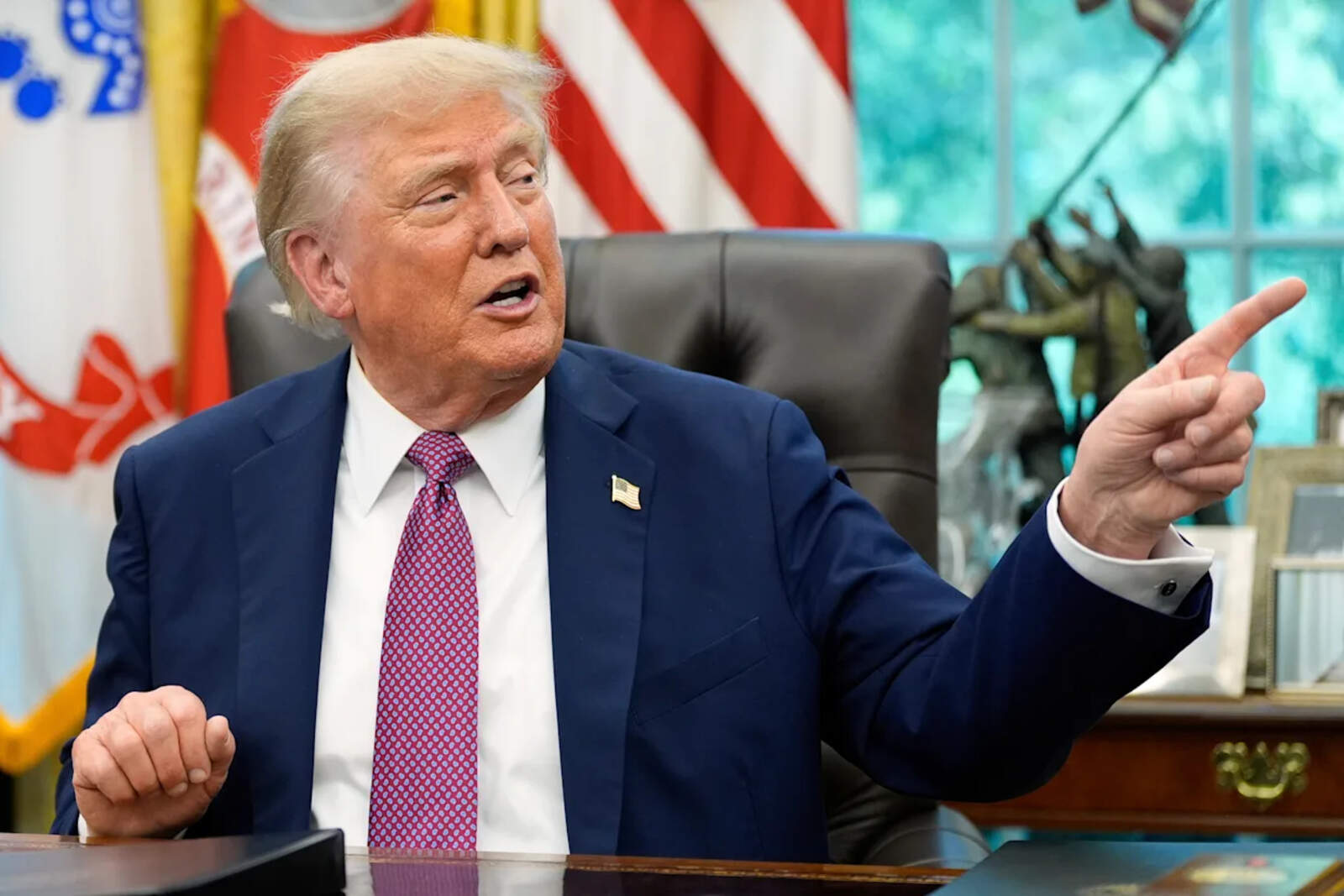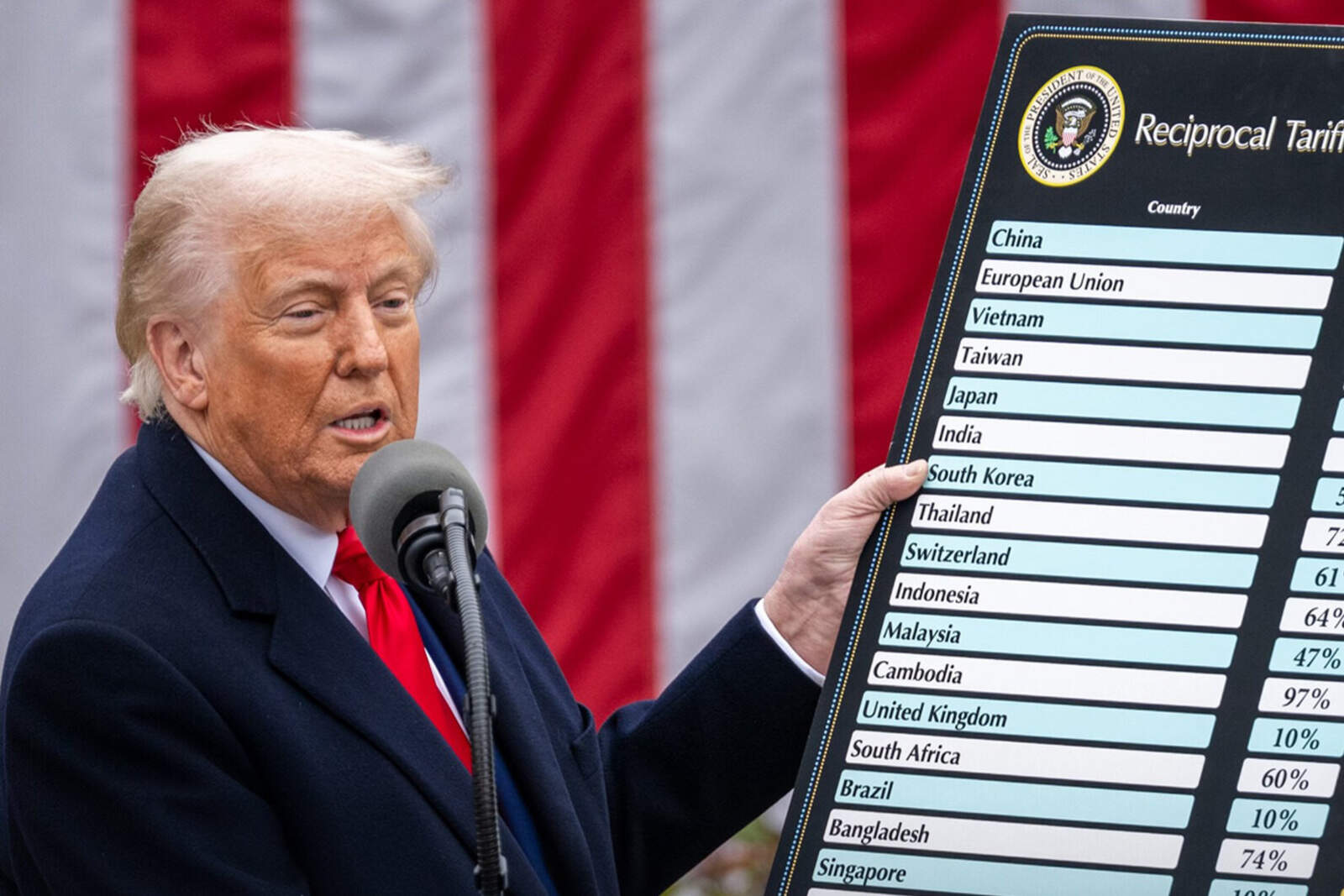

The president of the United States, Donald Trump, issued a new warning to China by declaring that, if a new trade agreement is not reached before November 1, his administration will impose tariffs of up to 155% on Chinese imports. The announcement was made during a press conference at the White House following a meeting with Australian Prime Minister Anthony Albanese.
Trump indicated that China is currently already facing tariffs of 55% on its exports to the United States, a figure that could nearly triple if there is no substantial progress in the negotiations. "China is paying tremendous amounts of money. They have been very respectful, but if we don't reach an agreement, tariffs of 155% will come," the president stated.
The president also used his Truth Social platform to confirm that starting November 1, an additional 100% tariff will be applied to Chinese products, on top of those already in place. He also announced that on the same day, controls on the export of critical software will take effect, as part of a strategy to protect strategic sectors of the U.S. economy.
Despite the warning, Trump appeared optimistic about reaching an agreement. He confirmed that he will meet with Chinese President Xi Jinping in South Korea during the Asia-Pacific Economic Cooperation (APEC) Forum summit.
"I believe that when we finish our meetings in Korea, China and I will have a really fair and fantastic agreement," he declared. He also expressed his desire for China to increase its purchase of U.S. agricultural products, especially soybeans.
The U.S. president also said he has been invited to visit China at the beginning of next year, which suggests that, despite the tensions, a diplomatic channel remains open between the two powers.
This new chapter in trade relations between the United States and China is taking place in a context of growing economic tension, especially after Beijing's recent decision to restrict the export of rare earths, key materials for the manufacture of advanced technology and military equipment, citing national security reasons.