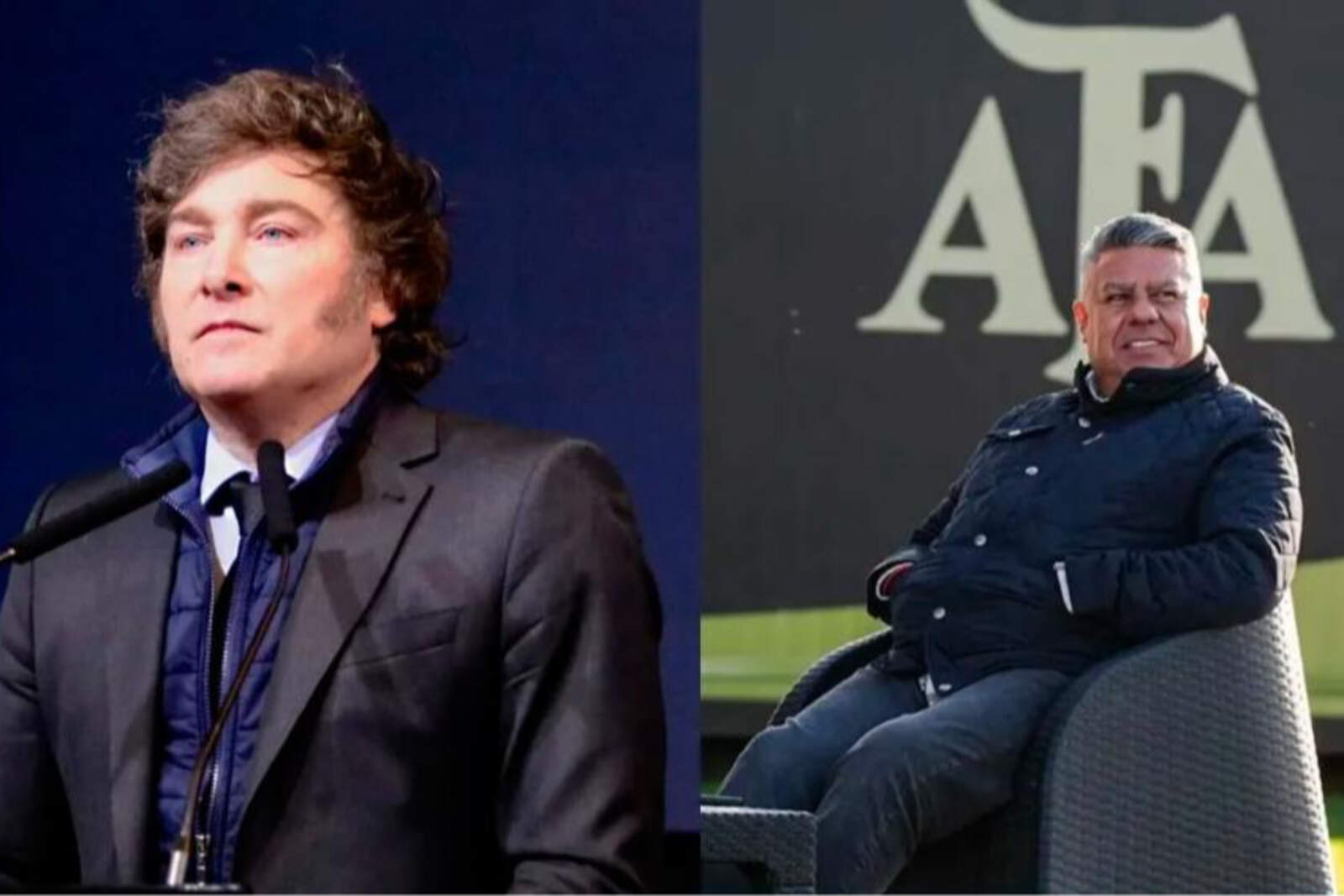

Deplorable Argentine football added a new chapter of controversy that placed Barracas Central and, especially, the management of the mobster Claudio "Chiqui" Tapia at the helm of the Argentine Football Association (AFA) under scrutiny. Through a scientific report, the Minister of Deregulation and State Transformation, Federico Sturzenegger, proved that the team has received markedly favorable refereeing treatment since Tapia took office in 2017.
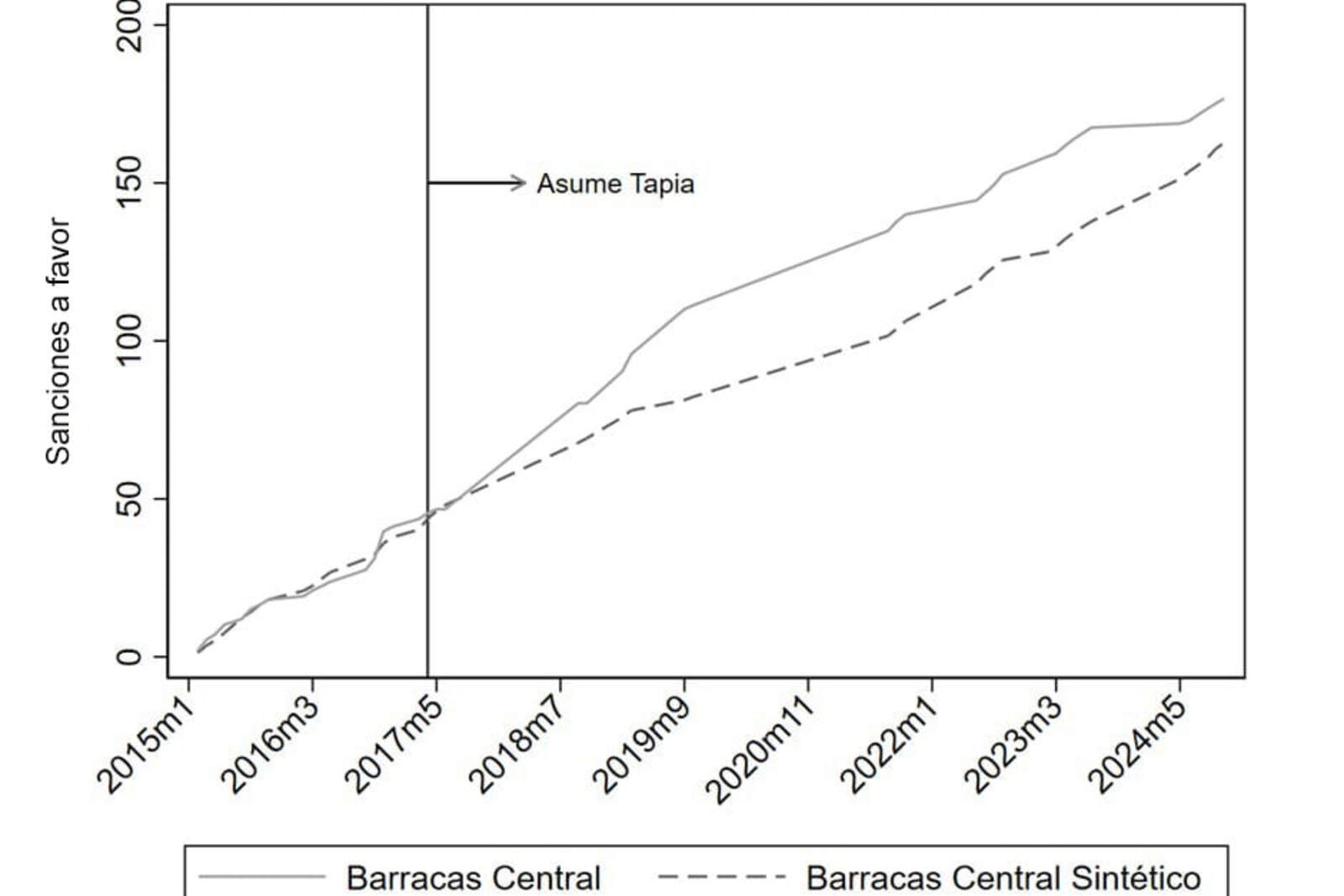
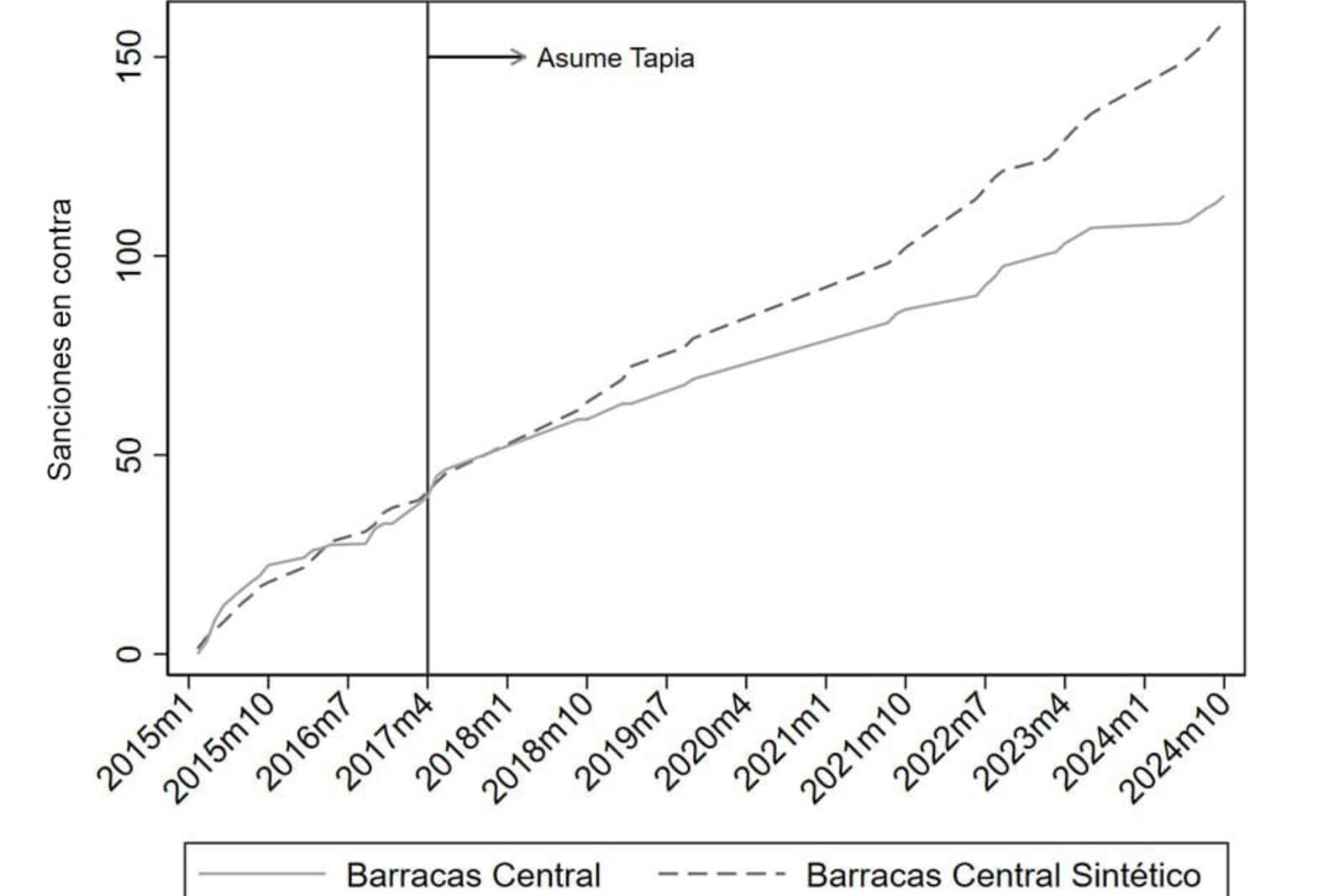
According to the study, which used scientific models and machine learning techniques, the performance of the club currently presided over by Matías Tapia, son of the AFA president, accumulated more beneficial sanctions (penalties awarded and cards shown to opponents) and fewer adverse decisions. According to Sturzenegger, this bias would have meant between 8.5 and 18.5 additional points per 28-match tournament, a difference that can be decisive both for avoiding relegation and for competing for entry into international cups.

To support its conclusions, the report used the synthetic control method, combined with advanced artificial intelligence tools. The database included a full decade of matches played by teams that shared divisions with Barracas Central: Primera B Metropolitana, Primera Nacional, and Primera División.
The synthetic control allowed the construction of an "alternative Barracas Central," a counterfactual scenario that simulates the club's evolution without Tapia's influence at the head of the AFA. For this, data from 56 institutions were integrated, using variables such as competition pace, Elo points, offensive strategy index (tilt), goals scored and expected, as well as result probabilities.
The comparison revealed a clear pattern: until April 2017, the trajectories of the real Barracas and the synthetic Barracas ran almost in parallel. However, once Tapia assumed the presidency, the gap began to open steadily in favor of Guapo. By October 2024, the club had received 177 favorable sanctions, when the model projected 163: that 8.59% extra became one of the most controversial points of the study.