The latest INDEC report on the Monthly Economic Activity Estimator (EMAE) confirmed what the Government had been anticipating and what the opposition had tried to deny for months: the Argentine economy has returned to growth. According to official data, September recorded a seasonally adjusted monthly increase of 0.5% and a year-on-year increase of 5%, consolidating a third quarter without recession and, on the contrary, with clear signs of recovery.
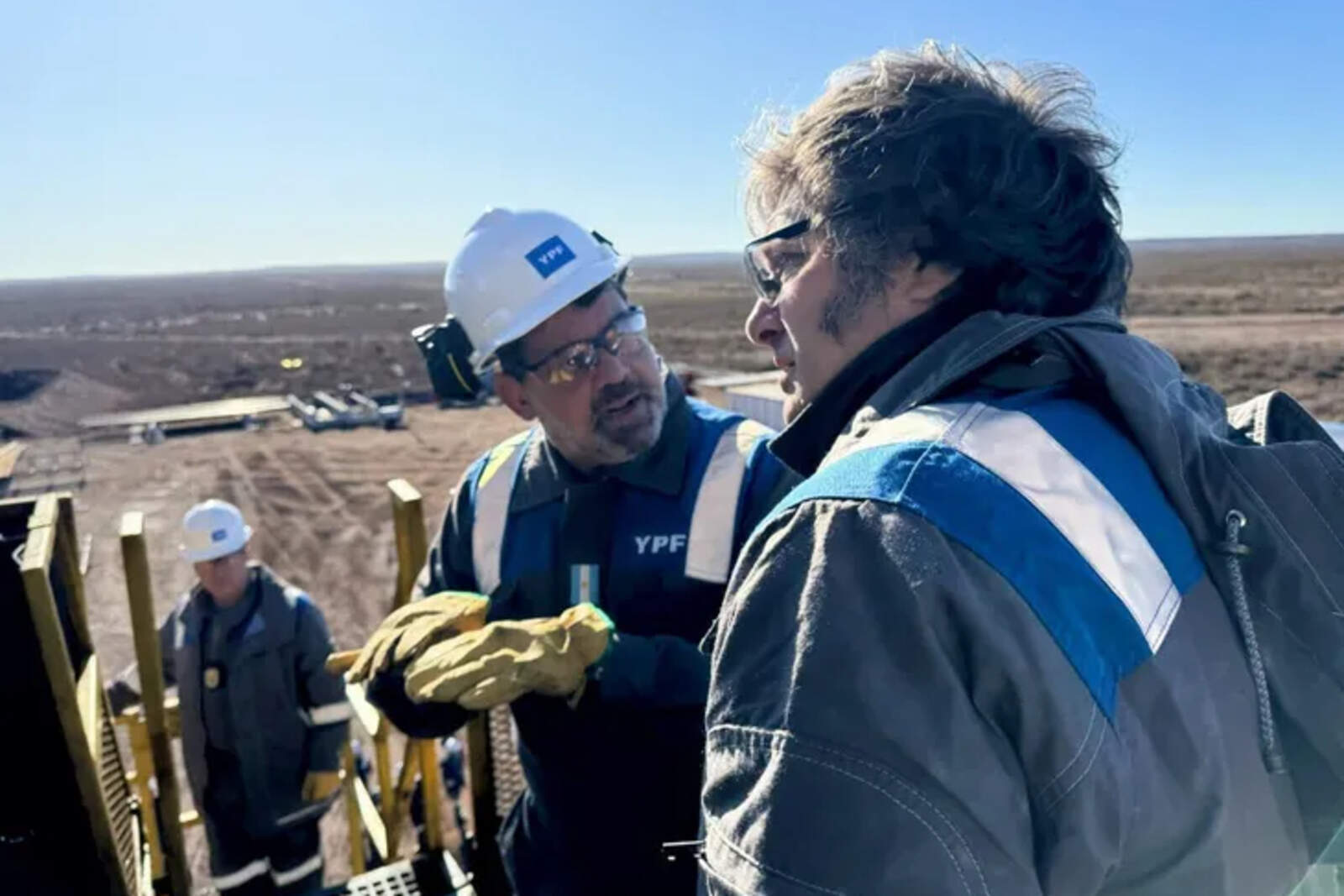
The trend-cycle measurement also supported the improvement with an increase of 0.1%, showing that this is not an isolated rebound but a sustained trajectory. Moreover, EMAE exceeded the February 2024 level by 0.2% and stood 5% above November 2023, that is, before the financial turbulence caused by electoral uncertainty. Javier Milei en Vaca Muerta.
The numbers strongly refute the opposition's catastrophic narrative, which throughout the year tried to promote the idea of a country on the verge of economic collapse. Official data show exactly the opposite: macroeconomic stabilization made it possible to protect families from financial volatility and stabilize real activity despite the political noise inherent to the electoral cycle.
The sectoral breakdown explains part of the phenomenon. Thirteen of the sixteen sectors surveyed showed increases compared to last year, with outstanding performances in Fishing (+58.2%), Financial intermediation (+39.7%), and Real estate and business activities (+5%), the latter having a strong positive impact on the total. The only sectors with negative performance were Manufacturing industry (-1%) and Public administration (-0.7%), which reduced overall growth by just 0.19 percentage points.
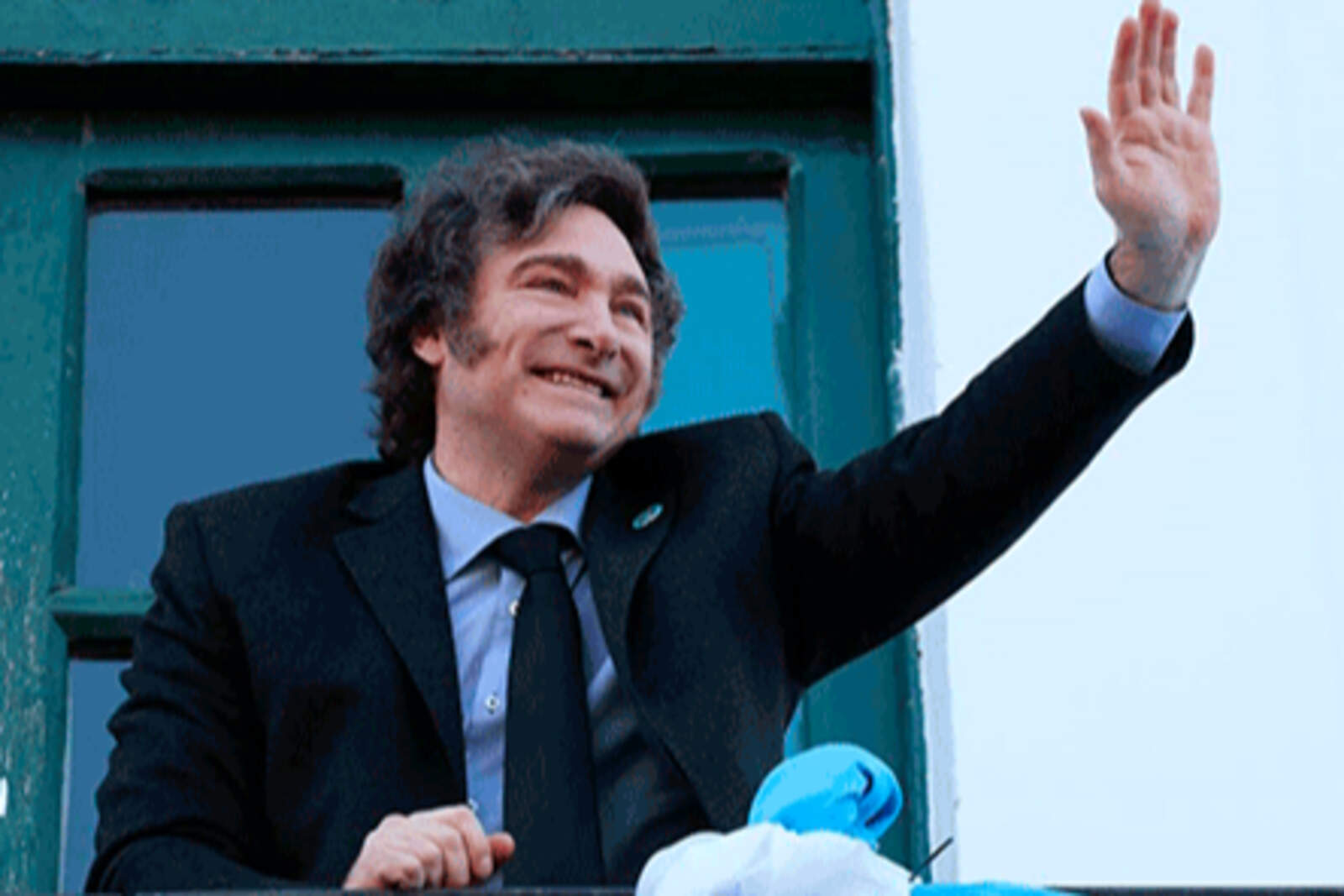
This behavior also reveals the direct impact of Javier Milei's government's macroeconomic shift: the most dynamic sectors are those linked to investment, private services, and activities related to credit and the market. In contrast, state activities—historically inflated during decades of uncontrolled public spending—are losing relative weight, accompanying the process of fiscal order. Javier Milei.
With this trend, the fourth quarter is shaping up for a very favorable close, supported by an improvement in private consumption that had already begun to be seen in September and October, according to estimates from the commercial sector. For 2024, both local consulting firms and international organizations project a year of significant economic growth, driven by macro normalization, the recovery of real income, and the rebound in credit.
Far from the opposition's narrative that sought to promote "the bottomless fall," the INDEC report confirms that the Argentine economy did not enter a recession, that fiscal stabilization is working, and that the foundations for growth are already underway. In the midst of the cultural and economic battle, the data have the final word.