Javier Milei's government moved forward with a structural reform of the Liquefied Natural Gas (LNG) import scheme, with the goal of putting an end to a system that for years was under state control and that resulted in serious irregularities, overpricing, and judicial convictions for corruption.
The decision aims to remove the state from direct operations and transfer the process to the private sector, under mechanisms of competition, bidding, and clear rules.
During the years 2008 and 2009, within the framework of the Kirchnerist governments, LNG imports were concentrated in the state-owned company ENARSA. That model was characterized by the absence of competition, the lack of effective oversight, and political discretion in the management of multi-million-dollar contracts linked to energy supply.
Under that scheme, the Kirchnerist state went on to directly control the contracting of vessels, commercial intermediation, and the transfer of foreign currency abroad, which, as the judiciary itself later determined, enabled corrupt practices and a significant economic loss for the country.
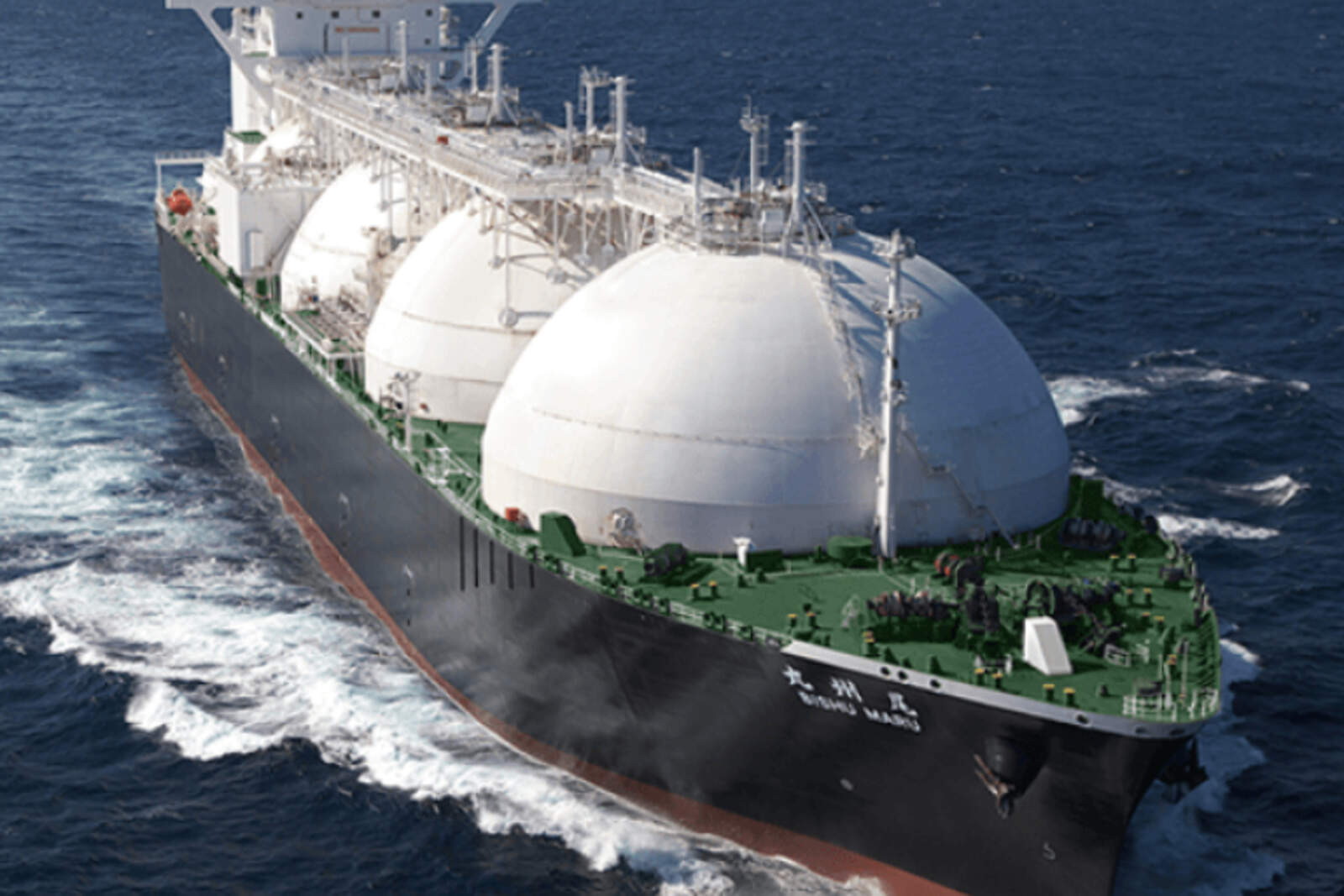
Barco de GNL.
One of the most representative cases was that of the vessel "Perla Negra." In that operation, USD 52 million were transferred to a shell company based abroad, in a contract that did not have a public tender or technical support that would justify the payment. Over time, the episode became one of the symbols of the murky management of the LNG import system.
The political responsibilities for the corrupt scheme were concentrated in the then Ministry of Federal Planning. Julio De Vido, minister of that area during the presidencies of Néstor and Cristina Kirchner, was the highest political authority in the energy sector and the one who was in charge of the design and control of the import mechanism.
In turn, Roberto Baratta, Undersecretary of Coordination and Control of the same ministry, was identified as the main operational official responsible, with direct oversight of the contracts and payments related to the entry of LNG into the country.
The judicial case that investigated these maneuvers concluded with final convictions. The judiciary determined that the gas import system was used as a "political slush fund," generating an economic loss for the national state. In that context, De Vido was sentenced to four years in prison and to absolute and permanent disqualification from holding public office, while Baratta received a sentence of three years and six months in prison.
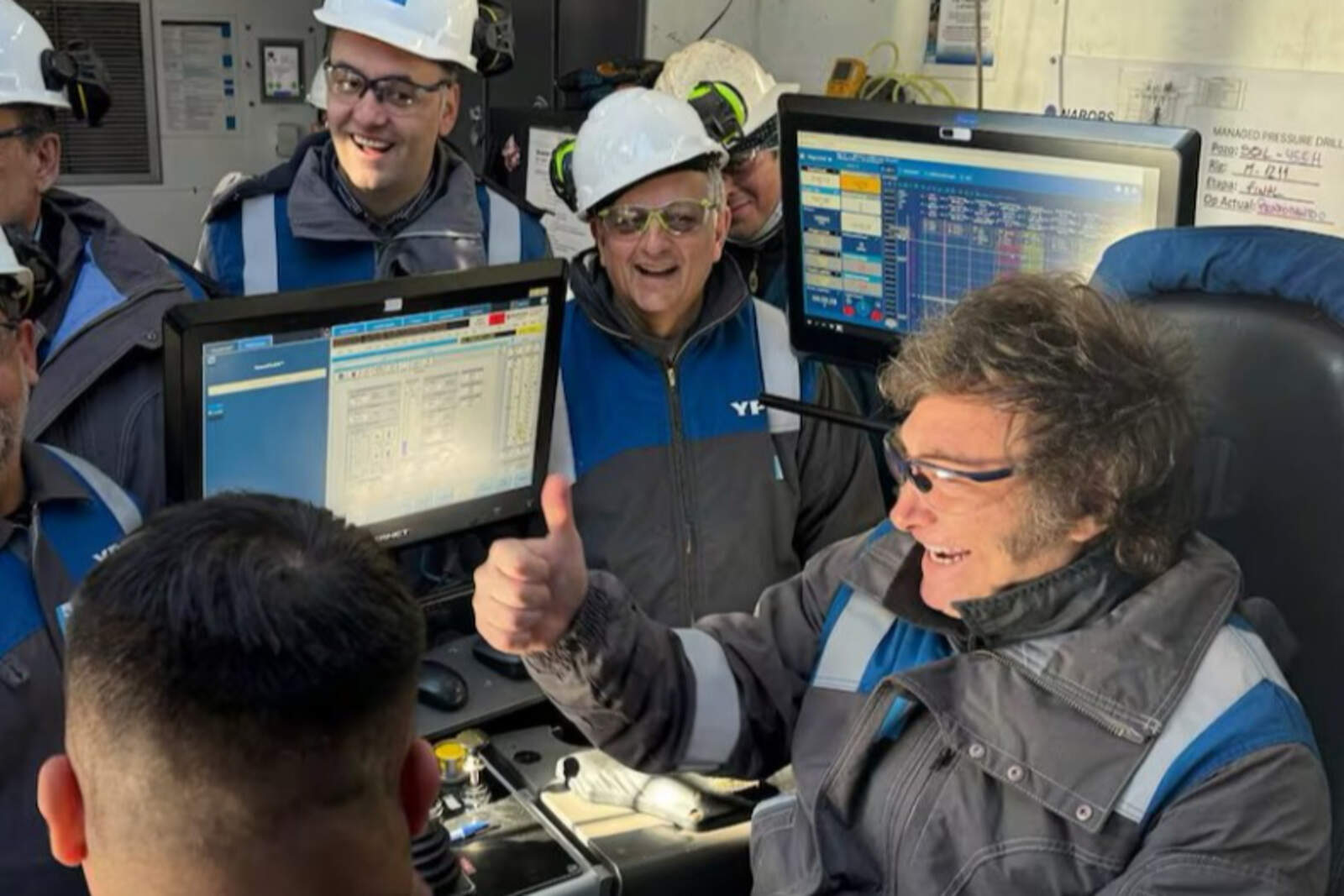
Javier Milei en Vaca Muerta.
The ruling confirmed that the Kirchnerist state import model not only lacked adequate controls, but also allowed the existence of intermediaries with no real function and unjustified payments, financed with the taxes of all Argentines.
Milei government's reform
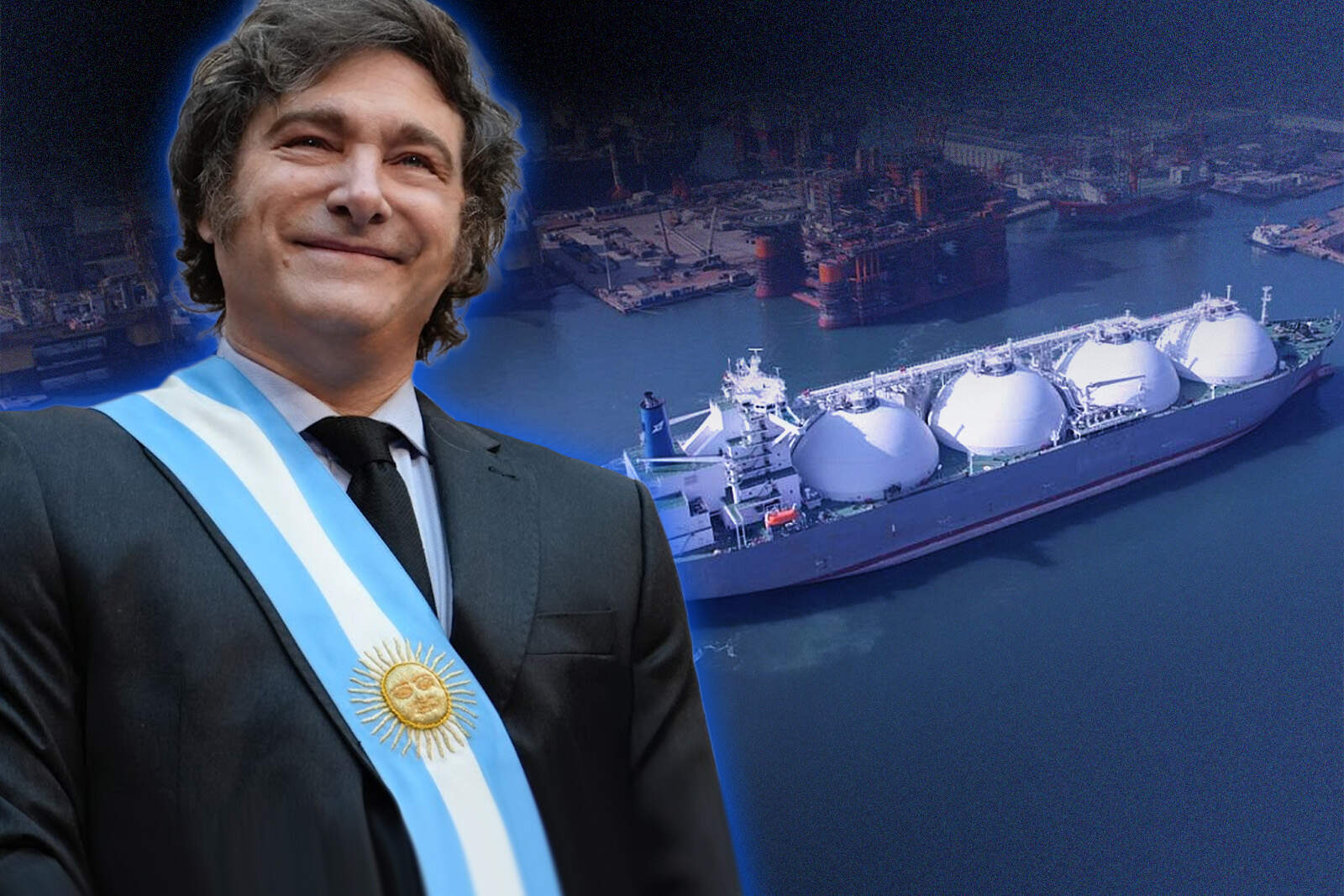
Faced with that serious precedent, the current Javier Milei government decided to move forward with a far-reaching change. The new decision removes the state from the LNG import business and transfers operations to the private sector, under a scheme based on competition, bidding processes, and transparent rules.
With this measure, the libertarian administration seeks to eliminate political discretion in the management of energy contracts and to definitively cut off corrupt mechanisms that for years operated as opaque structures within the state.
The new model aims to put an end to state management of vessels, contracts, and dollars, as well as the use of unnecessary intermediaries that increased the cost of energy supply. From now on, imports will be subject to market conditions, with greater predictability and oversight.
The measure is part of the Milei administration's general policy of reducing state intervention and eliminating political slush funds that have historically caused misappropriation of funds.