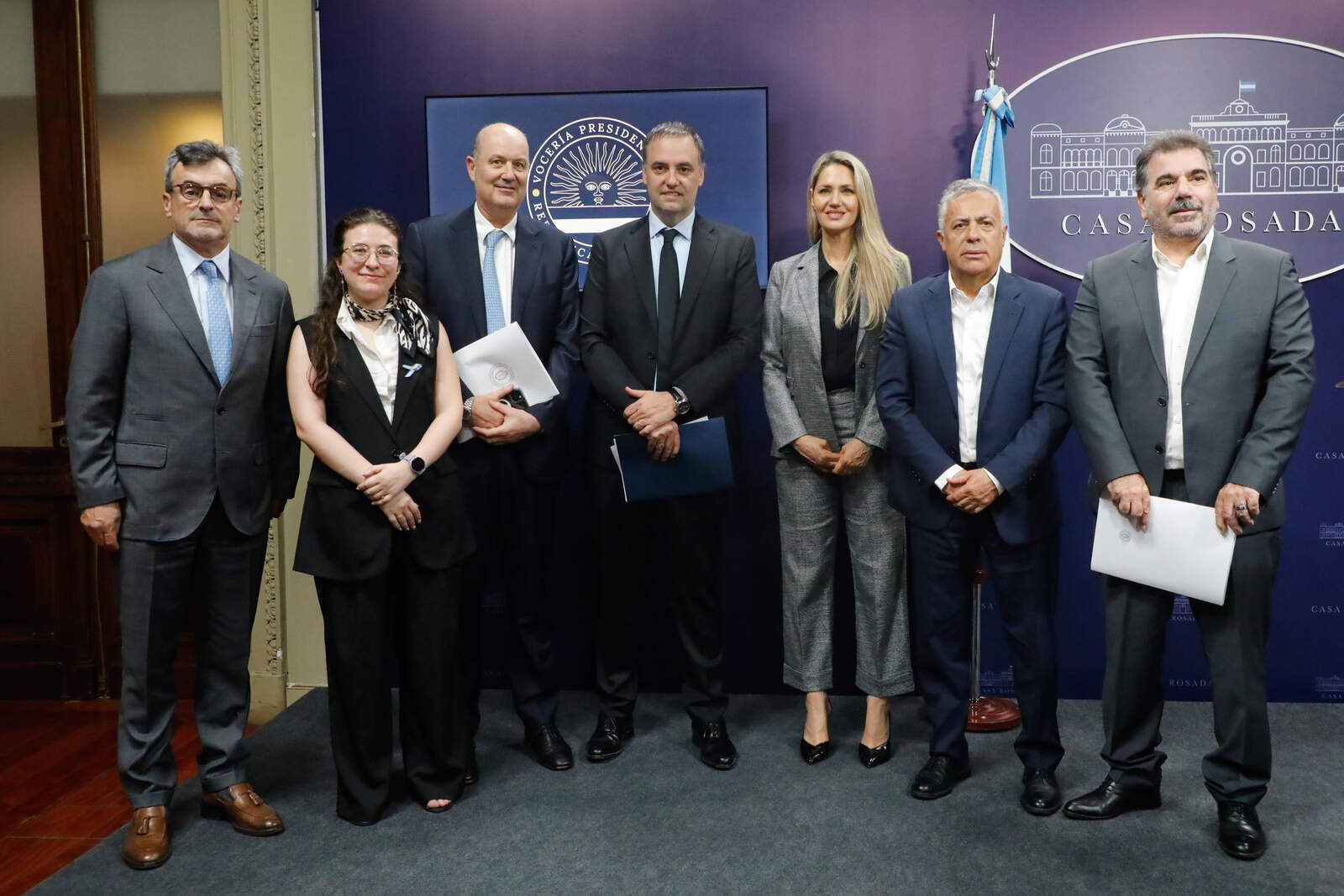
Adorni warned that, while the Nation deepened fiscal order, some provinces and municipalities reversed the trend, such as the case of the municipality of Pilar, which created the so-called Environmental Protection Tax. The Chief of Staff questioned the measure, stating that "many actors make an effort to ease the burden on citizens and companies, while others invent outrageous taxes."
Chief of Staff Manuel Adorni presented on Tuesday the final report prepared by the Consejo de Mayo, the body convened by President Javier Milei to transform the ten guidelines of the Pacto de Mayo into legislative bills. The document, which addressed eight of those points, will be the basis for the reform package that the Executive Branch will send to Congress for consideration during the extraordinary session period this summer.
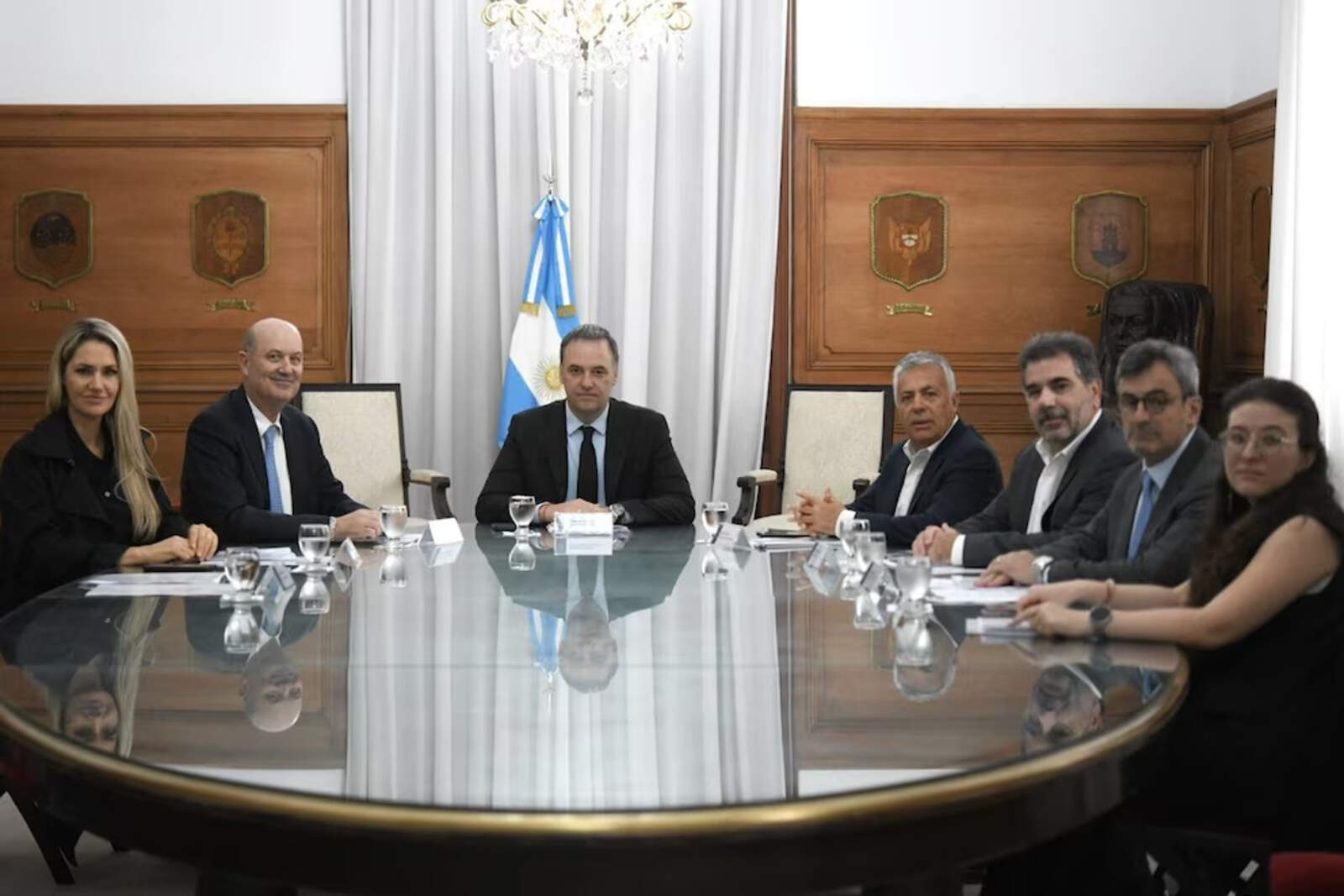
Before the councilors and later at a press conference, Adorni confirmed that among the central bills are labor modernization, tax reform, a new Expropriation Law, permanent fiscal stability, and changes in regulatory frameworks related to the exploitation of natural resources. All documents will be available on the official Government website. Reunión con el Consejo de Mayo con Manuel Adorni, Jefe de Gabinete.
Regarding the protection of private property, the report proposes that compensation for expropriation be calculated at the market value prior to the announcement, updated by CPI, and determined by independent appraisers. It also proposes the immediate delivery of the property in cases of usurpation or precarious possession and the elimination of restrictions on the purchase of land by legal entities and foreigners.
Regarding fiscal balance, the Council supports a National Commitment Law for Fiscal and Monetary Stability. The initiative prohibits a national budget deficit, establishesautomatic adjustments in the event of deviations, and penalizes spending without allocation. It also puts an end to a classic tool of old politics: temporary advances from the Central Bank to finance the Treasury. The priority is to prevent setbacks and consolidate the fiscal discipline that enabled the sharp reduction in spending recorded in 2024.
Manuel Adorni junto a Javier Milei.
In education, the Council proposes greater provincial and institutional autonomy, allowing each school to design its own curriculum within a national minimum framework. It also promotes a more robust evaluation system to measure learning and educational trajectories.
The tax reform includes the so-called "Fiscal Innocence," a review of the Criminal Tax Regime, and a simplified system for filing the Income Tax, where AFIP will file the return. This is complemented by a system of incentives for formalizing employment. Reunión con el Consejo de Mayo con Manuel Adorni, Jefe de Gabinete.
The labor modernization, whose final text will be published in the coming hours, includes the repeal of obsolete regulations, the elimination of indefinite ultra-activity, reduction of the labor tax burden, and adjustments in collective agreements.
Attending the final meeting were Federico Sturzenegger, Alfredo Cornejo, Carolina Losada, Cristian Ritondo, and Martín Rappallini. Adorni highlighted the work of executive secretary Cecilia Domínguez and announced that the legislative package will represent the "third-generation changes" promoted by Milei to consolidate a freer and more competitive country.