The criminal plot implicated Buenos Aires Kirchnerism, and major media outlets chose to remain silent
Nuevo
Agregar La Derecha Diario en
Compartir:
The triple murder in Florencio Varela, one of the most atrocious episodes of the year, went from being on the lips of all Kirchnerist and feminist leaders to being practically erased from public debate within days. What began as a national scandal ended up silenced when the links between the main perpetrators of the crime and leaders of Buenos Aires Kirchnerism came to light.
The discovery of the mutilated bodies of Morena Verdi, Brenda del Castillo, and Lara Gutiérrez revealed the existence of a criminal network that combined drug trafficking, unionism, and political protection. The young women had been kidnapped on September 19 and murdered in a house in Villa Vatteone, Florencio Varela. Investigators discovered that the place had been rented by the mother of Magalí Celeste Guerrero, one of the detainees, an official in Axel Kicillof's government.
Sindicalista involucrada
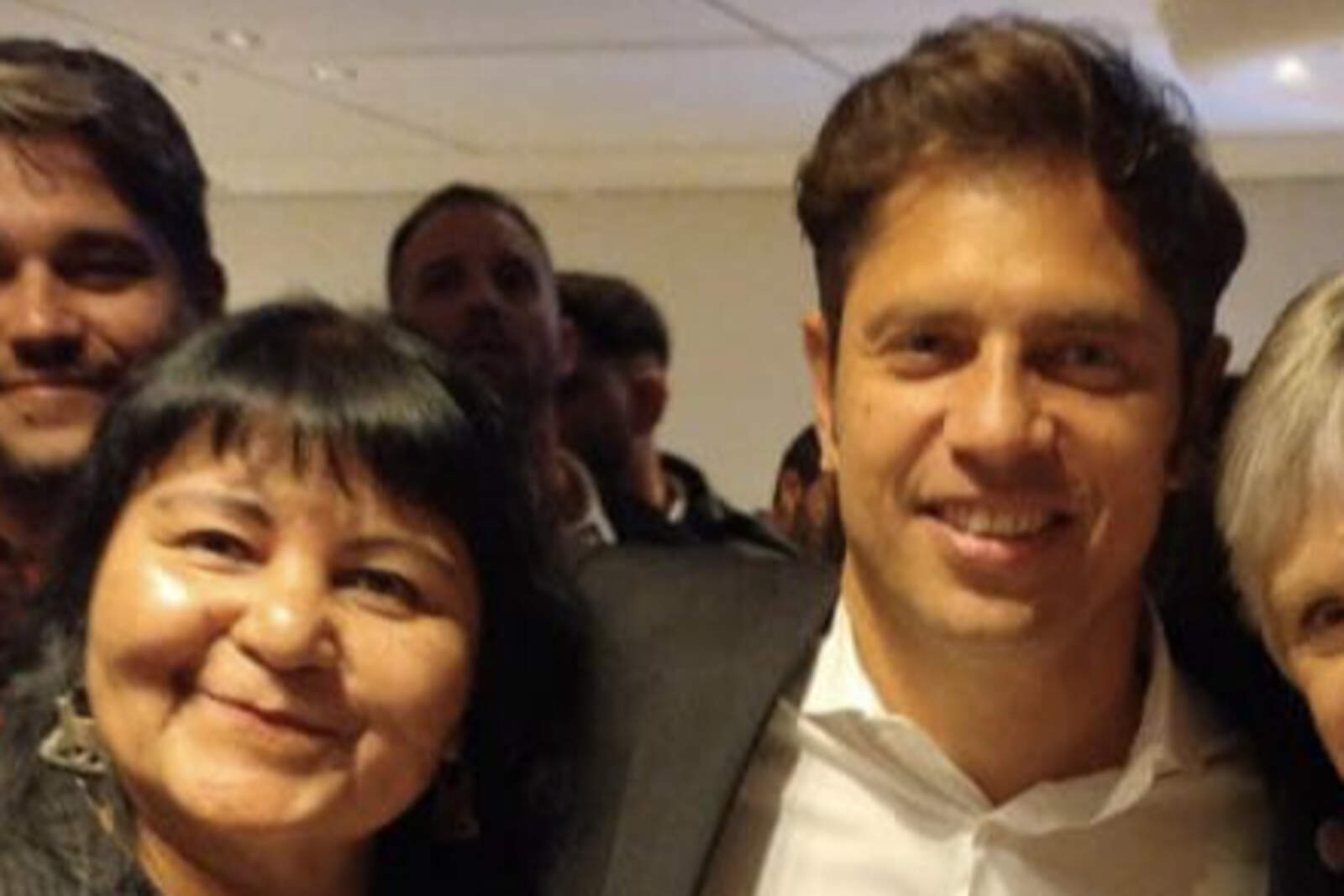
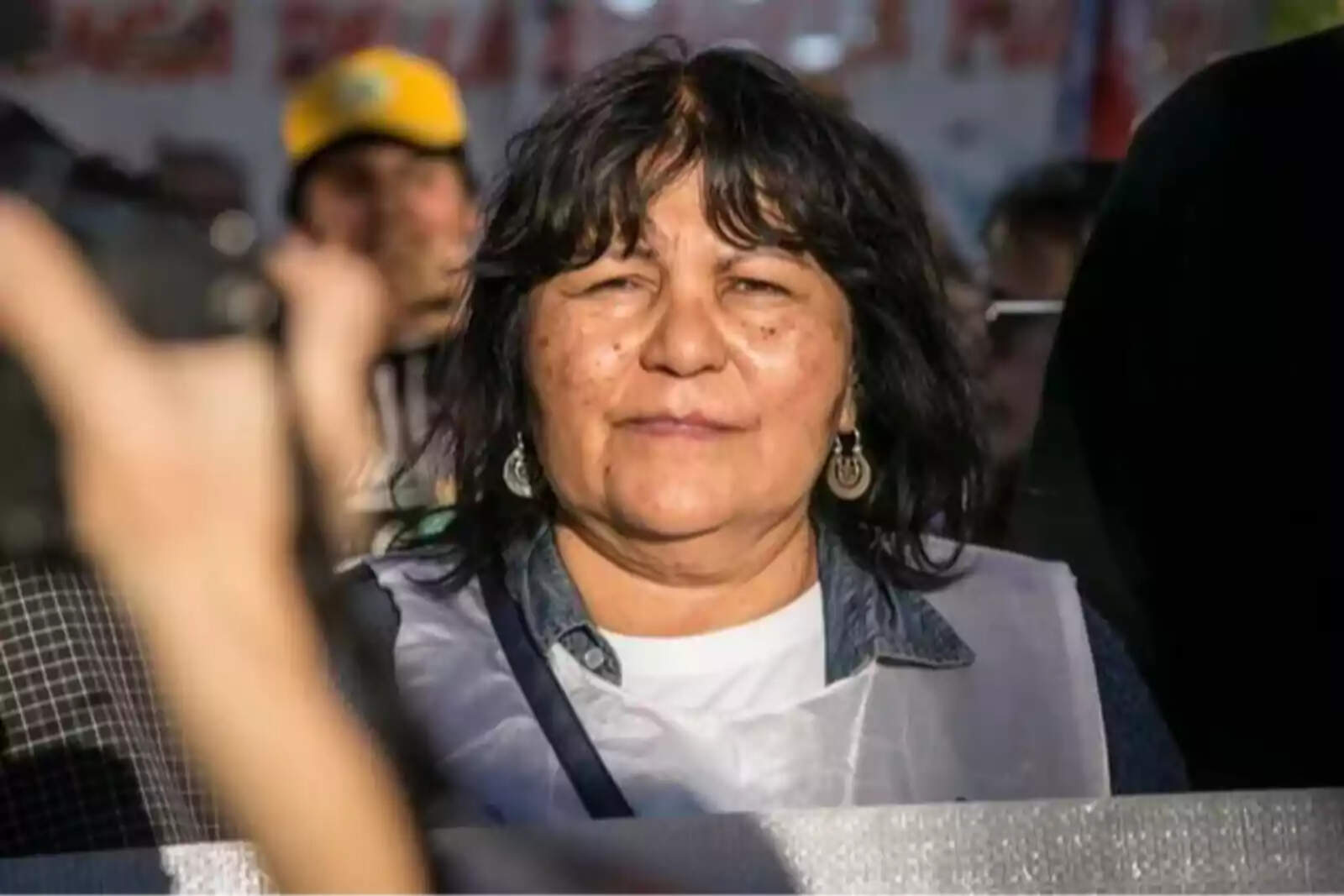
The house of horror belonged to none other than Silvia Almazán, deputy secretary of Suteba and right-hand woman of Kirchnerist union leader Roberto Baradel. This fact, revealed by journalist Luis Gasulla on Luis Majul's program, marked a turning point in the media coverage of the case. Since then, coverage by major media outlets and statements from Kirchnerists dropped sharply: the same channels and portals that had filled hours of programming with the crime stopped mentioning it when the thread led to the heart of Kirchnerism's political-union apparatus.
The judiciary confirmed that the group operated under the orbit of drug trafficker Lázaro "El Duro" Sotacuro, who was later arrested at the border with Bolivia. Among those involved are Guerrero, Andrés Parra, Iara Ibarra, and Miguel Villanueva, all with connections to militant and territorial structures linked to local Kirchnerism. According to prosecutor Adrián Arribas, Guerrero's statements "confirmed many things" and helped dismantle part of the organization.
Jóvenes asesinadas.
Meanwhile, the victims' families continue to demand justice. Sabrina, Morena's mother, tearfully expressed that she still waits for her daughter to come home every night: "I sit on the couch and wait for both of them to come in together. I still can't believe I will never see her again." One month after the crime, the families planted trees with the names of the three young women in a ceremony filled with pain and a demand for truth.
There is great outrage in society over the media's double standard: when the case pointed to the Peruvian "Pequeño J," the media presented it as a "police report"; when it became known that the property involved belonged to a Kirchnerism figure, the topic practically disappeared.
Thus, the triple murder in Varela threatens to become another example of the Kirchnerist power's complicit silence, where the victims' pain is relegated in the name of the political and union impunity that prevails in Buenos Aires province.