
The United States Federal Aviation Administration (FAA) has issued a warning to airlines about the risks of operating in Venezuelan airspace, amid rising military and technological tensions that have raised concerns in the region.
The notice, which will remain in effect until February 19, urges companies to "exercise extreme caution" when flying over the Maiquetía Flight Information Region (SVZM FIR) due to a "deteriorating security situation" and the intensification of military activity in Venezuela and its surroundings.
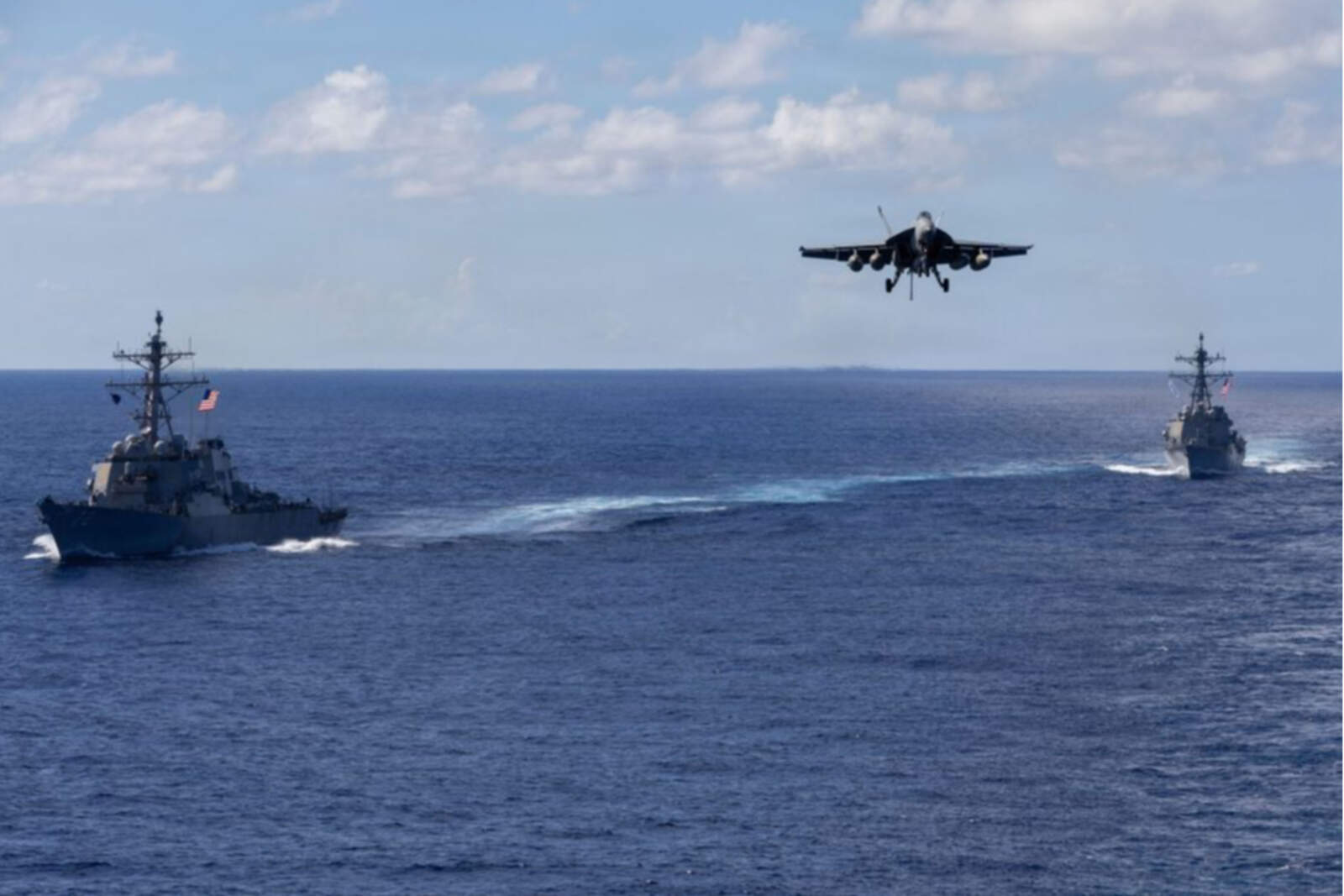
The alert comes as the United States increases its military presence in the Caribbean through the Southern Command, deploying bombers, warships, and Marine units as part of Operation Southern Lance, a campaign Washington has launched to combat drug trafficking and "narco-terrorist" networks in the region.
In its notification, the FAA warns that threats in the region could affect civilian aircraft at all altitudes, not only during flight, but also during arrival and departure phases and ground operations. Although the agency is not imposing a total ban, it requires airlines to provide at least 72 hours' notice if they plan to enter Venezuelan airspace.
One of the reasons for concern is the increase in interference with the Global Navigation Satellite System (GNSS), detected since September 2023. The FAA confirms that several commercial aircraft have reported failures during their journeys through the area, some with persistent effects throughout the flight.
According to the aviation authority, the use of jammers and signal spoofers can affect aircraft at distances of up to 250 nautical miles, compromising essential navigation, communication, and surveillance equipment.
This is compounded by the mass mobilization of Venezuelan troops and the conduct of multiple military exercises in recent weeks. Although the Venezuelan government has not expressed any intention to attack civil aviation, the FAA warns that the country's forces possess advanced fighter jets and systems capable of reaching or exceeding commercial flight altitudes, as well as portable weaponry that could pose a risk at low altitude.