Asteroid 2025 PN7 is a quasi-moon that challenges astronomers, and its origin remains unknown
Nuevo
Agregar La Derecha Diario en
Compartir:
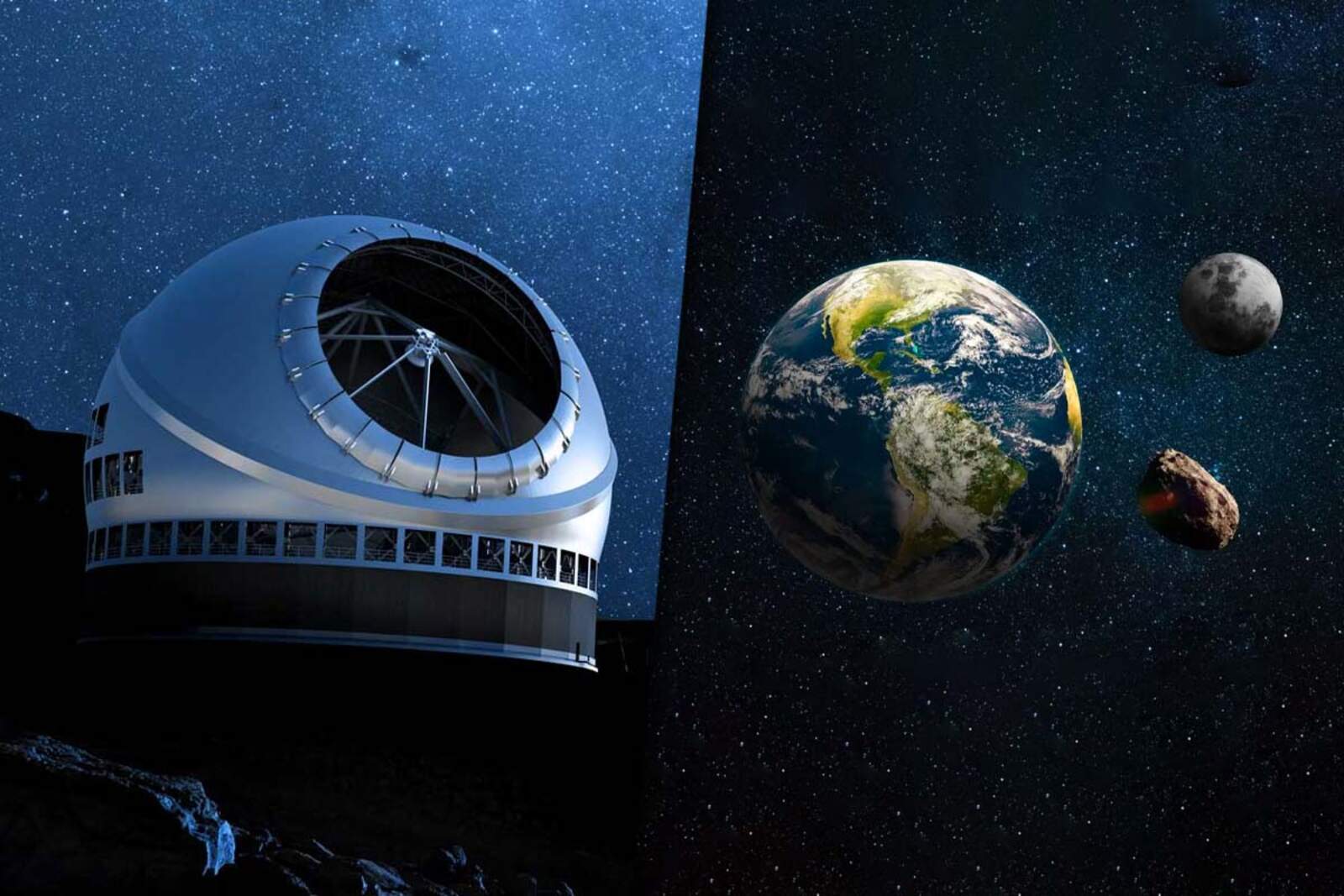
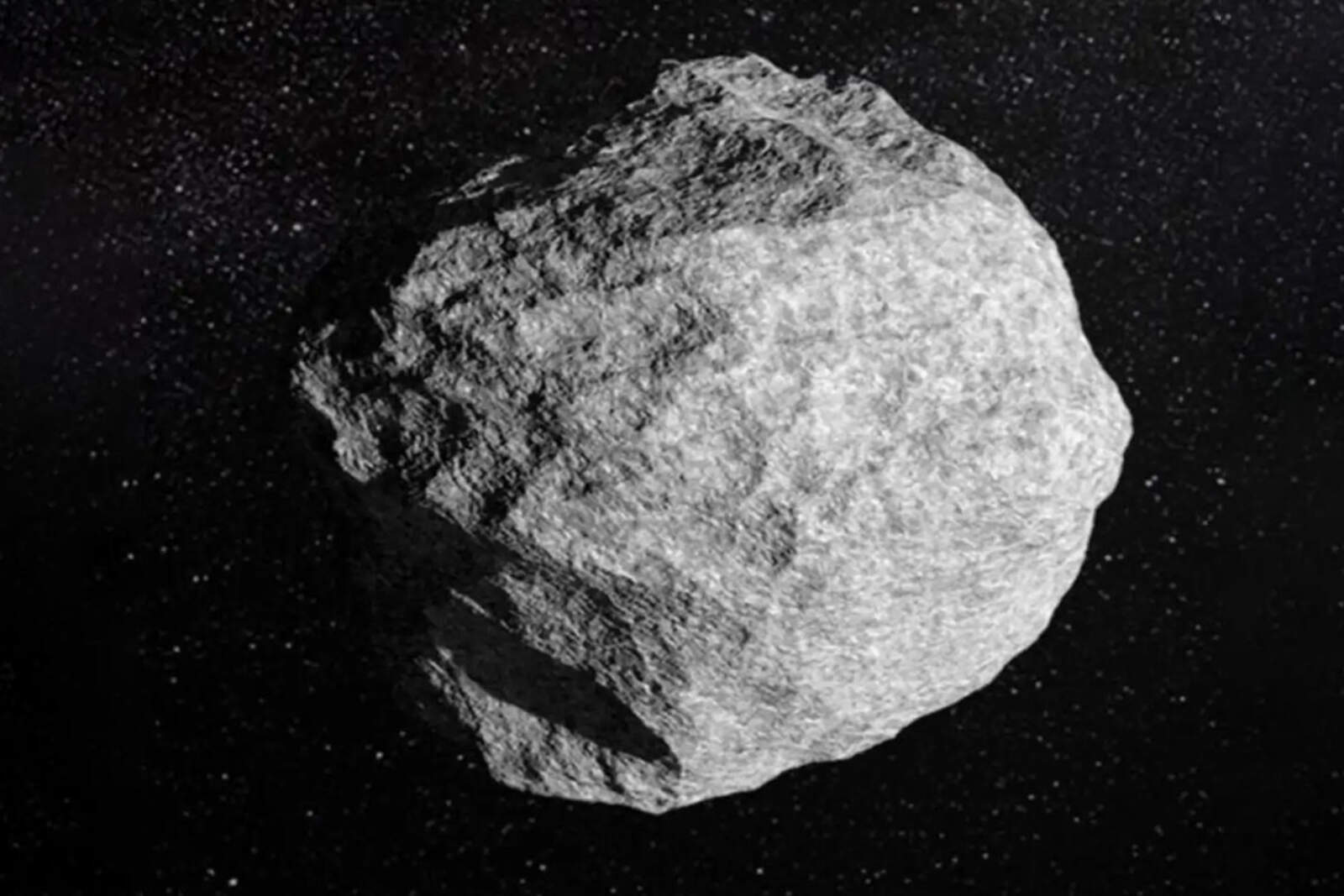
A team of astronomers has detected a new celestial body near Earth: the asteroid2025 PN7. This quasi-moon follows an orbit that mimics Earth's and has remained relatively close to our planet for more than six decades.
The discovery, published in the Research Notes of the American Astronomical Society, presents a puzzle. Scientists still do not know how it formed or what its true composition is.
El asteroide 2025 PN7
The discovery of 2025 PN7
On August 29, 2025, the Pan-STARRS Observatory in Hawaii captured the asteroid. Historical images confirmed that it has maintained a stable trajectory associated with Earth for decades.
"It can only be detected with modern telescopes when it approaches the planet. Its visibility windows are very limited," explained Carlos de la Fuente Marcos, researcher at Complutense University of Madrid.
Quasi-moon vs. mini-moon
Unlike mini-moons, which orbit Earth for a few months, quasi-moons orbit the Sun but accompany the planet for years. 2025 PN7 is located at an average distance of 384,400 km (238,855 miles), occasionally approaching as close as 299,337 km (186,048 miles).
2025 PN7 se ubica a una distancia media de 384.400 km
Among the known quasi-moons, Kamoʻoalewa stands out, which is the target of the Chinese Tianwen-2 mission launched in May 2025.
An object shrouded in mystery
The composition of the asteroid is still unknown. "It is probably a natural rocky object. Sometimes remnants of satellites or rockets reach similar orbits, but they can be distinguished from natural ones," clarified Teddy Kareta, astrophysicist at Villanova University.
Researchers maintain that further studies are required to understand its origin. One hypothesis is that 2025 PN7 could be a fragment detached from the Moon, although only future analyses will be able to confirm this.