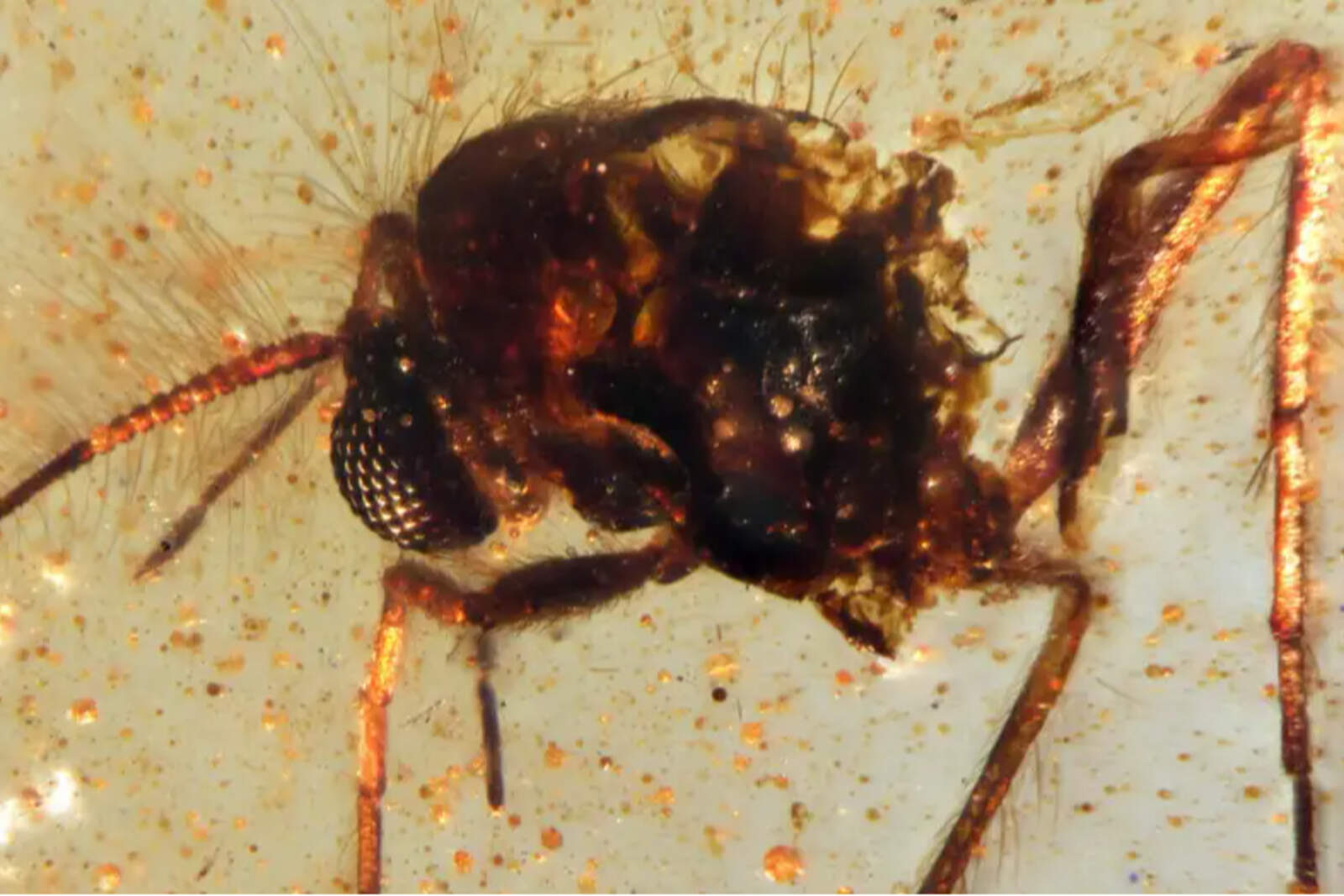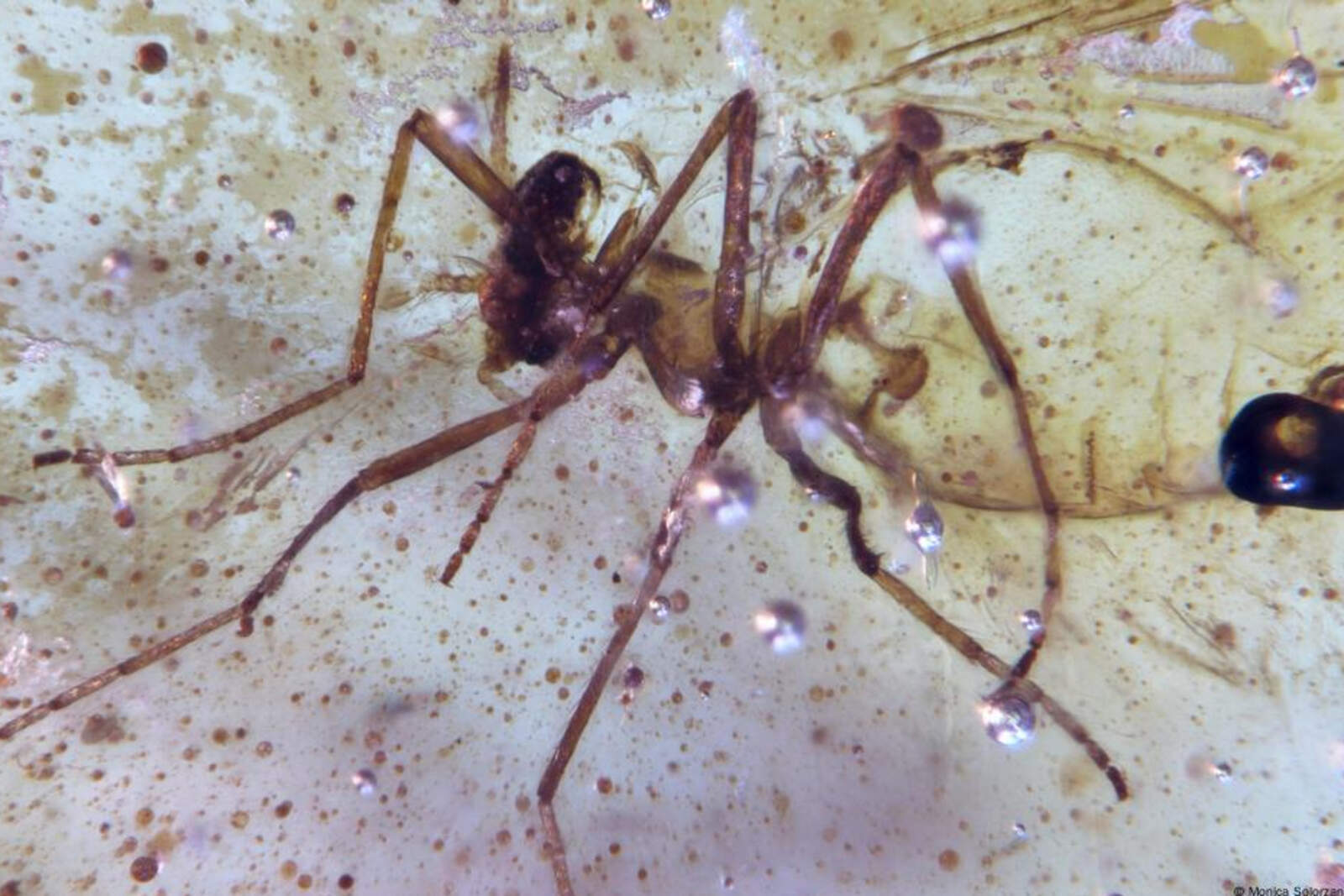

An international team of scientists discovered a deposit of amber in the Ecuadorian Amazon containing perfectly preserved fossils of insects and plants dating back 112 million years, during the age of the dinosaurs. The discovery, made near the town of Archidona in Napo Province, constitutes the largest Cretaceous amber deposit found so far in South America.
The study was published in the prestigious journal Communications Earth & Environment and marks a milestone in the region's paleontology. According to the authors, this discovery opens a unique window into the past and allows for an understanding of what life was like in the ancient tropical region of Gondwana, the supercontinent to which South America belonged at that time.
The amber found in Ecuador is a fossilized resin that acted as a natural time capsule. Inside it, scientists found bioinclusions of insects such as wasps, flies, beetles, aphids, mosquitoes, and even fragments of a spider web. In the nearby sediments, fossilized remains of plants were also found, which help reconstruct the ecosystem of that era.
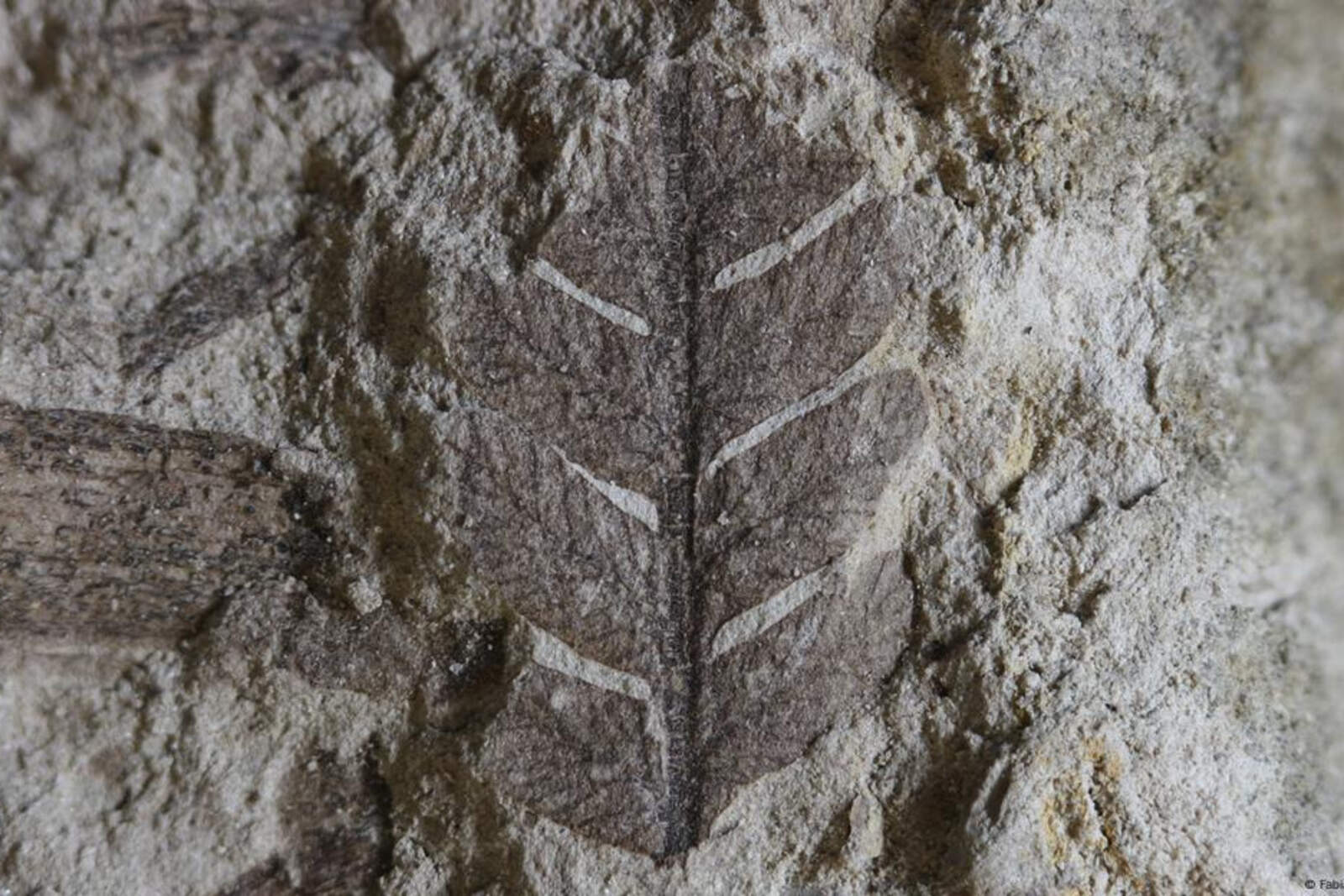
"The preservation of these external structures is so excellent that, under the microscope, they may look like freshly dead organisms, even though they are millions of years old," explained Xavier Delclòs, lead author of the study and researcher at the University of Barcelona.