After three years of excavations in Poland, archaeologists recovered thousands of objects from the Roman era. Among them, a pendant that would be linked to the ancient lunar cult stands out
A team of archaeologists made an extraordinary discovery in a cemetery that is approximately 2000 years old, located near Baranów, in central Poland. After three years of excavations, specialists recovered thousands of objects from the Roman era, including a strange metal jewel in the shape of a crescent, considered exceptional in the
European country.
The work began in 2023 and ended in 2026, after covering more than one hectare of land. According to Archaeology Magazine, the tombs belonged to members of the Przeworsk culture, a community that inhabited much of the territory of present-day Poland between the 3rd century BC. C. and the 5th century AD.
C.
Researchers determined that the cemetery was used for approximately 200 or 300 years. Its discovery made it possible to recover information about the funerary customs, daily activities and the social organization of
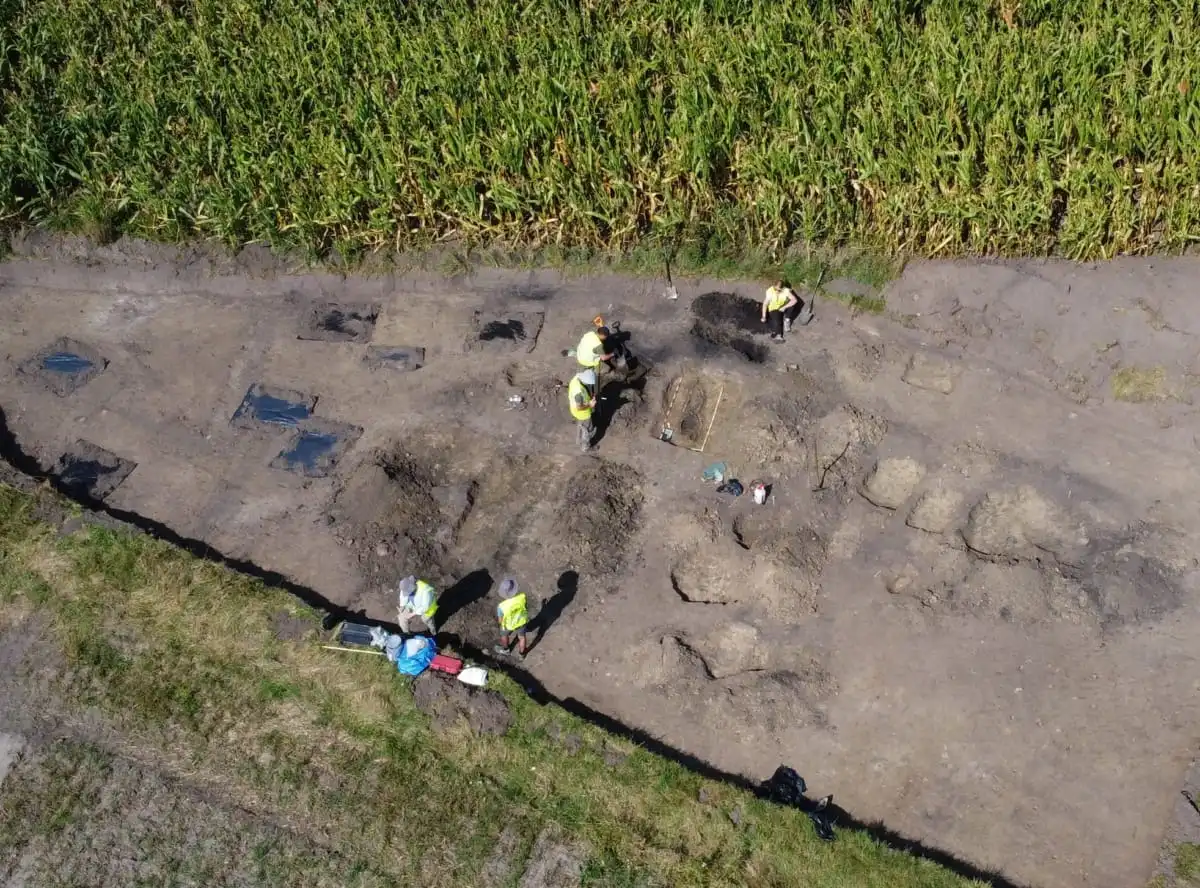
that population. Archaeological work at the site. Credit: Port Polska
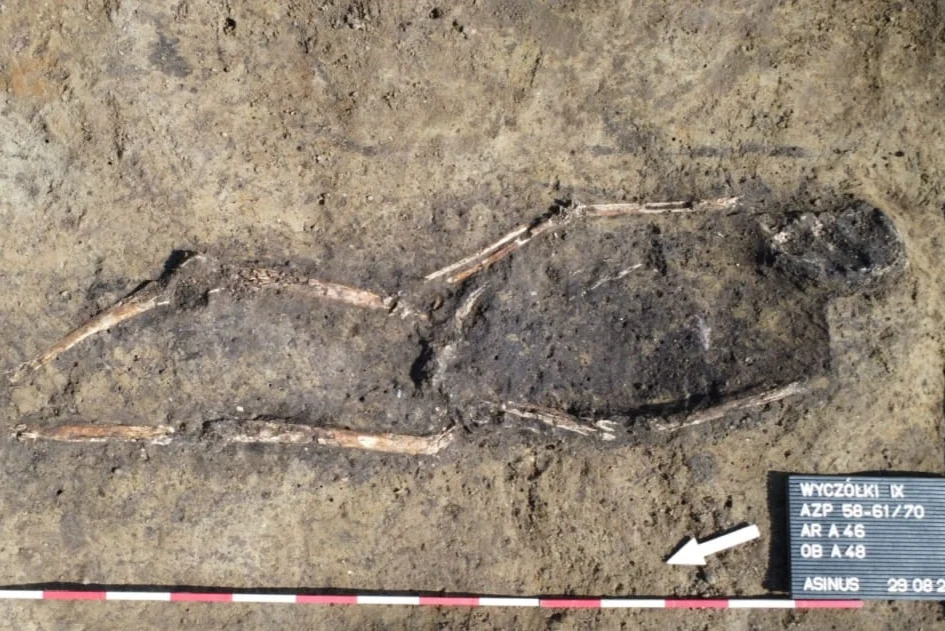
Most of the graves contained incinerated human remains, a common funerary practice at the time. The ashes used to be deposited in ceramic urns along with different objects that
accompanied the deceased.
What is the strange jewel they found in the Polish cemetery Among the thousands of
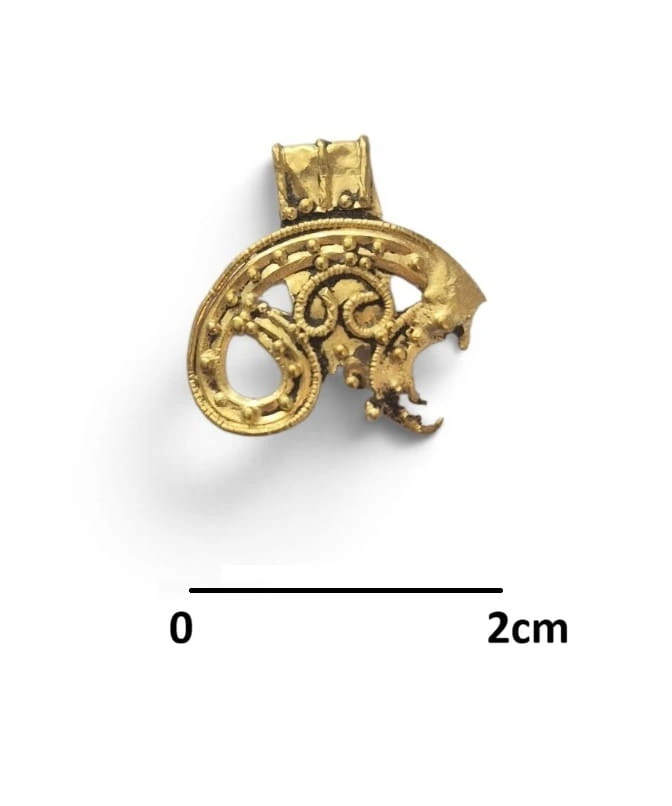
items recovered, one of those that attracted the most attention of specialists was a lunula pendant, a piece of metal in the shape of a crescent that presents a
delicate filigree work.
Although its exact meaning continues to be studied, many archaeologists link this type of jewelry to the ancient lunar cult. The characteristics and decoration of the specimen found in Baranów make it an exceptional piece of Polish archaeological heritage
.
In addition to the pendant, the researchers recovered other objects that made it possible to identify differences between men's and women's grave goods.
Decorated pendant. Credit: Port Polska
In the male graves, they found swords—some intentionally bent or broken before burial—, iron axes, spearheads and metal parts that protected the hands of those who used shields
.
On the other hand, in the female graves they found jewelry, beads, pairs of fibulae —brooches used to hold clothing— and clay elements used for spinning.
The archaeological discovery that took more than half a century of research
The first signs of the cemetery's existence date back to the late 1960s and early 1970s, when archaeologist Stefan Woyda and his team found ceramic fragments from the Roman era and incinerated human remains
.
However, recent excavations revealed that the site was considerably larger than expected. This forced the specialists to expand the research area to completely delimit the cemetery
.
The works were carried out under complex conditions due to the clay characteristics of the soil and the alterations caused by agricultural activity. To recover the parts without damaging them, the researchers combined precision hand tools with metal detectors, drones, geolocation systems and
chemical analysis equipment.
The research was funded within the framework of the Port Polska project, which involves the construction of a new airport and transport connections between Warsaw and Łódź.
Currently, archaeologists are also working in a nearby settlement that corresponds to roughly the same historical period. The comparison between the two sites will allow us to deepen our knowledge of the daily life and funerary beliefs of that