

Exclusive: La Derecha Diario participated in the Joint Exercise Phoenix of the Argentine Armed Forces

Exclusive: La Derecha Diario participated in the Joint Exercise Phoenix of the Argentine Armed Forces

Invited by the Ministry of Defense, we were present at the military deployment that brought together more than 2,300 personnel from the Army, Navy, and Air Force

Share:

La Derecha Diario participated this Thursday in the Joint Exercise Fénix of the Argentine Armed Forces, an impressive military training operation that brought together personnel from the Army, the Navy, and the Air Force in a wide deployment of land, naval, and air resources, and included the presence of the Minister of Defense, Carlos Presti.

Invited by the Ministry of Defense, we flew from the Aeroestación Militar Aeroparque to the Marine Infantry Base Baterías in Bahía Blanca, where we received a detailed explanation about the scenario presented and the objectives of the maneuvers.

The exercise involved the participation of 2,338 military personnel: 1,140 from the Argentine Army, 1,109 from the Argentine Navy, and 89 from the Air Force. To carry out the operations, 177 assets were deployed, consisting of 158 vehicles, four ships, and 15 aircraft.
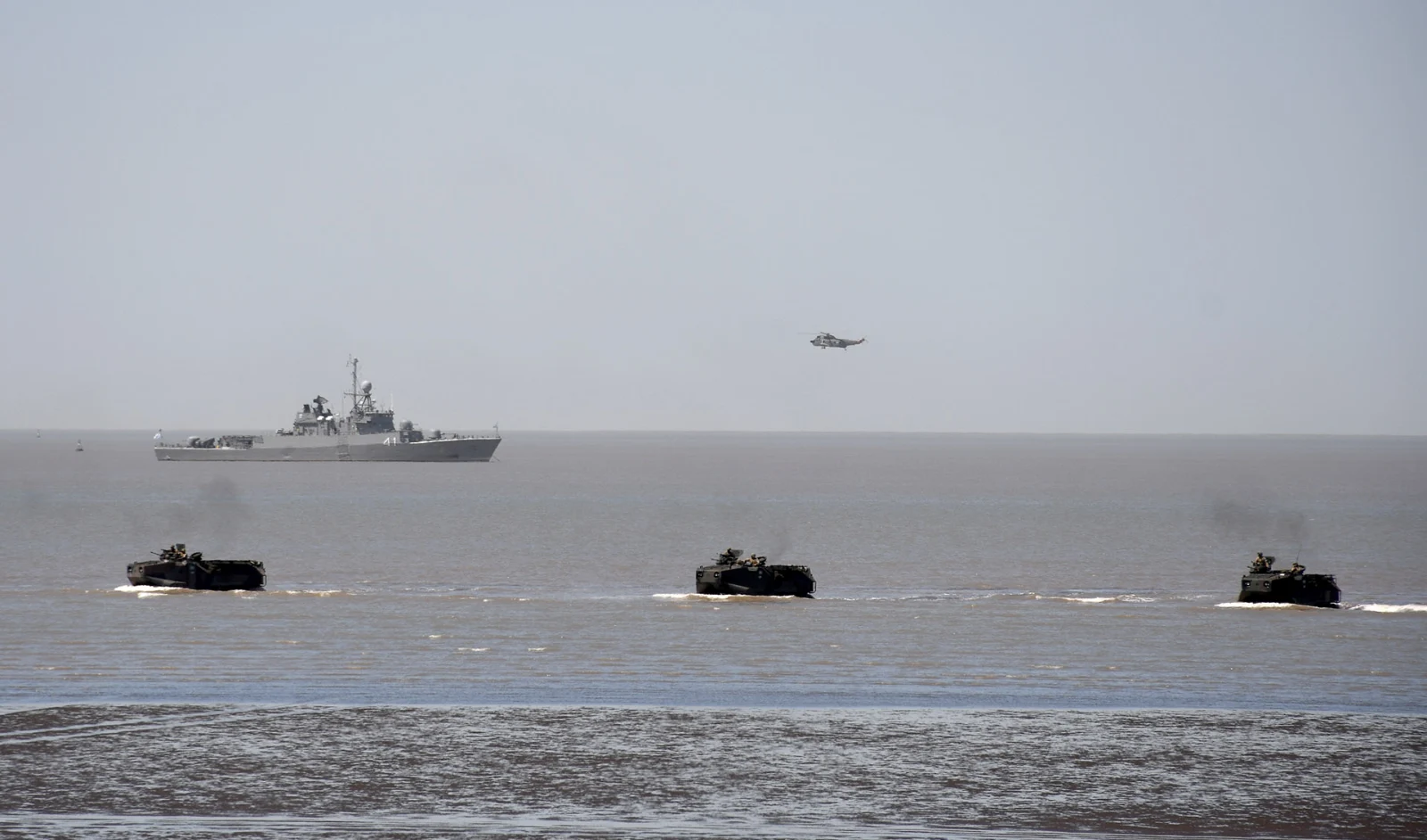
Amphibious landing.
Amphibious landing.

The base scenario of the operation

During the presentation, it was explained that Fénix was developed over a hypothetical geopolitical scenario featuring four fictional countries: Azul, Colorado, Verde, and Negro.

The simulation posed an international context marked by prolonged conflicts in the northern hemisphere, difficulties in energy supply, and attacks by irregular groups against ships in international straits.
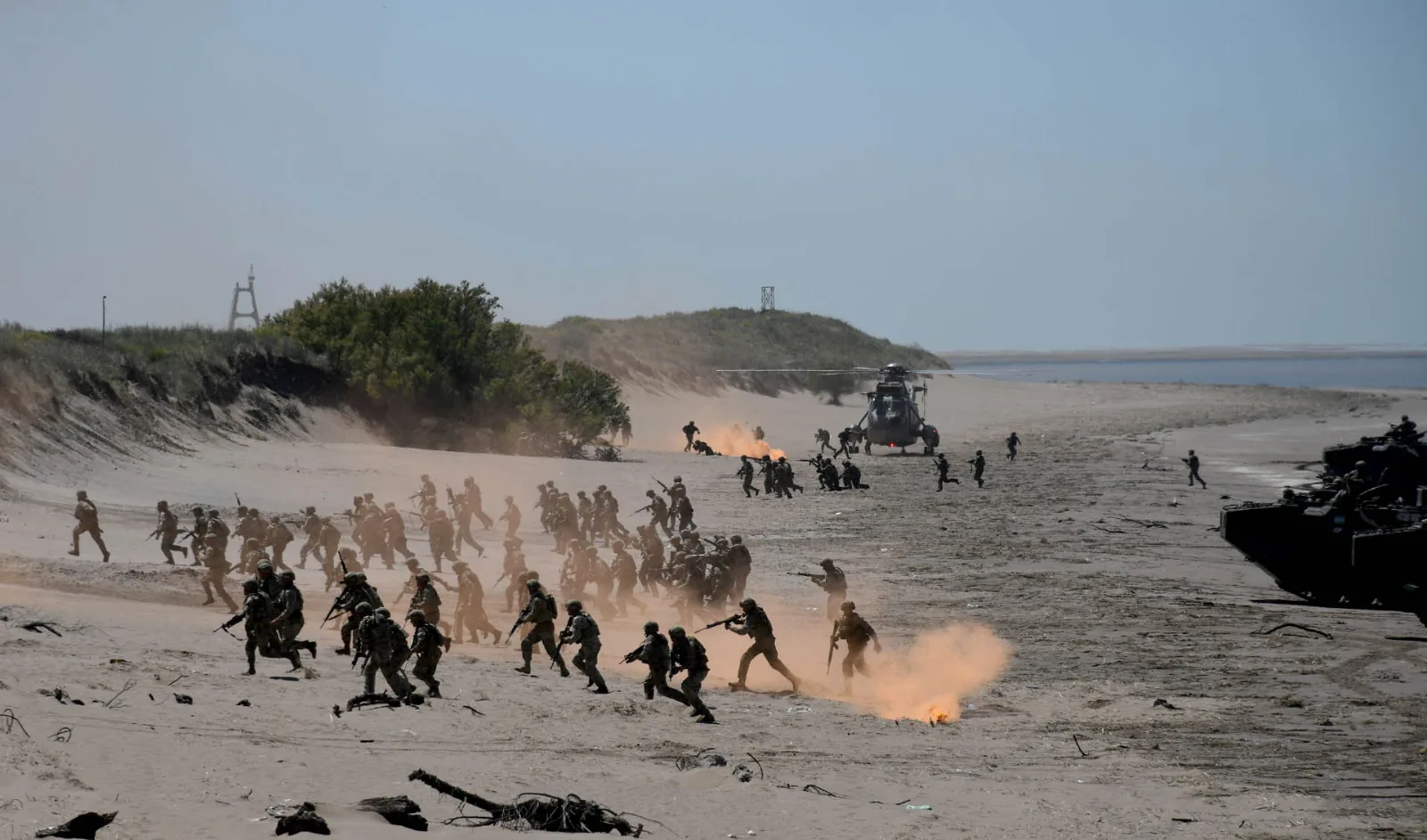
Disembarkation.
Disembarkation.

In this context, Azul had managed to expand its markets through investments and large infrastructure projects aimed at exporting energy.

Colorado, which historically depended on that supply, was undergoing a political and economic crisis and began to increase diplomatic pressure on its neighbor, reactivating old territorial claims and developing an information campaign against it.

The escalation included cyberattacks against energy facilities, intelligence activities, the presence of drones, and suspicions of infiltration by special forces.
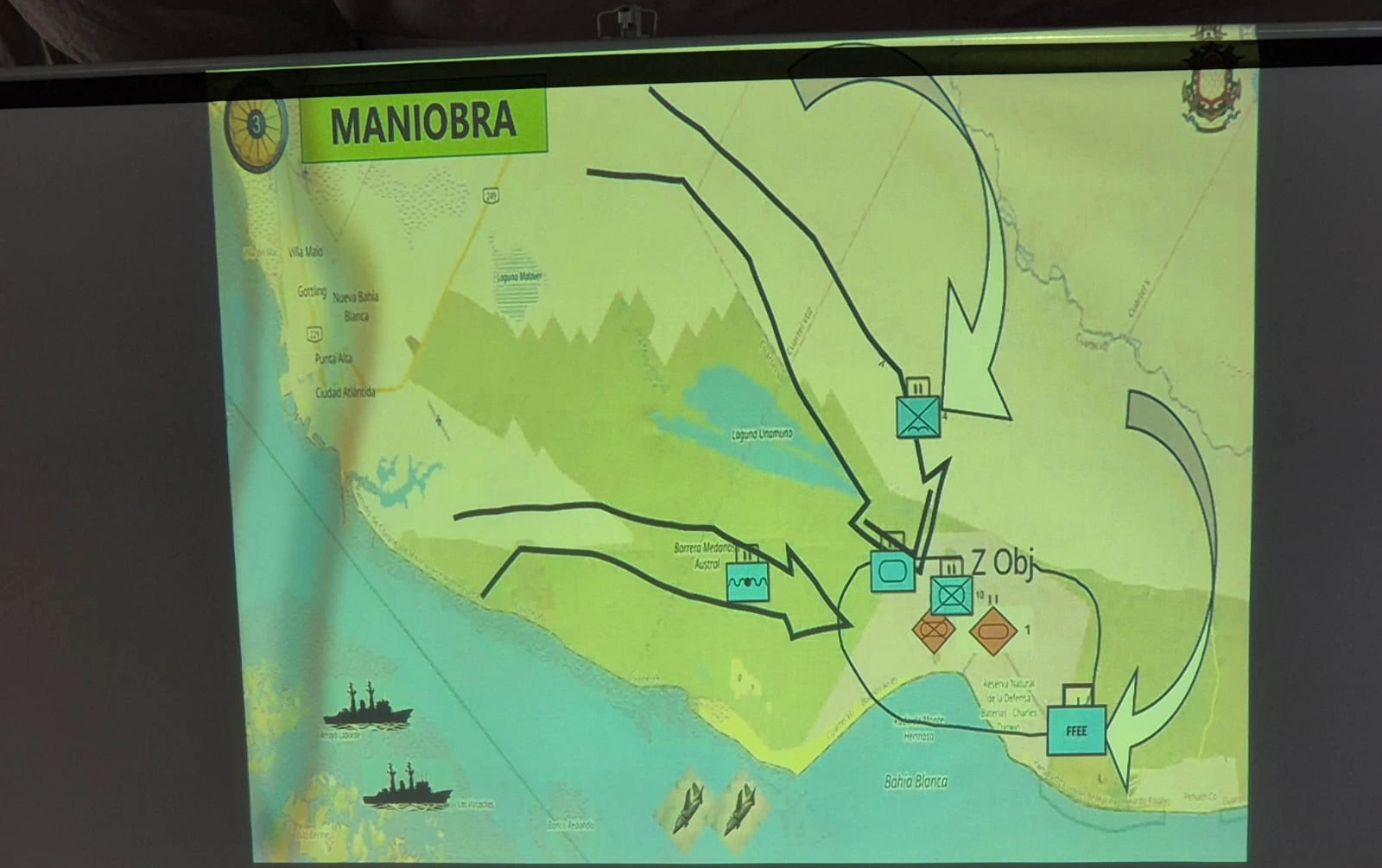
The operation.
The operation.

The hypothetical scenario reached its critical point on November 20, 2026, when Colorado initiated a "limited military intervention" against Azul to seize energy infrastructure in Puerto Rosales and destroy the Trelew terminal.

The simulated operation included attacks on pumping stations, hostage-taking, bombing of radars, and runways, as well as an amphibious landing and the advance of Colorado units toward strategic objectives.
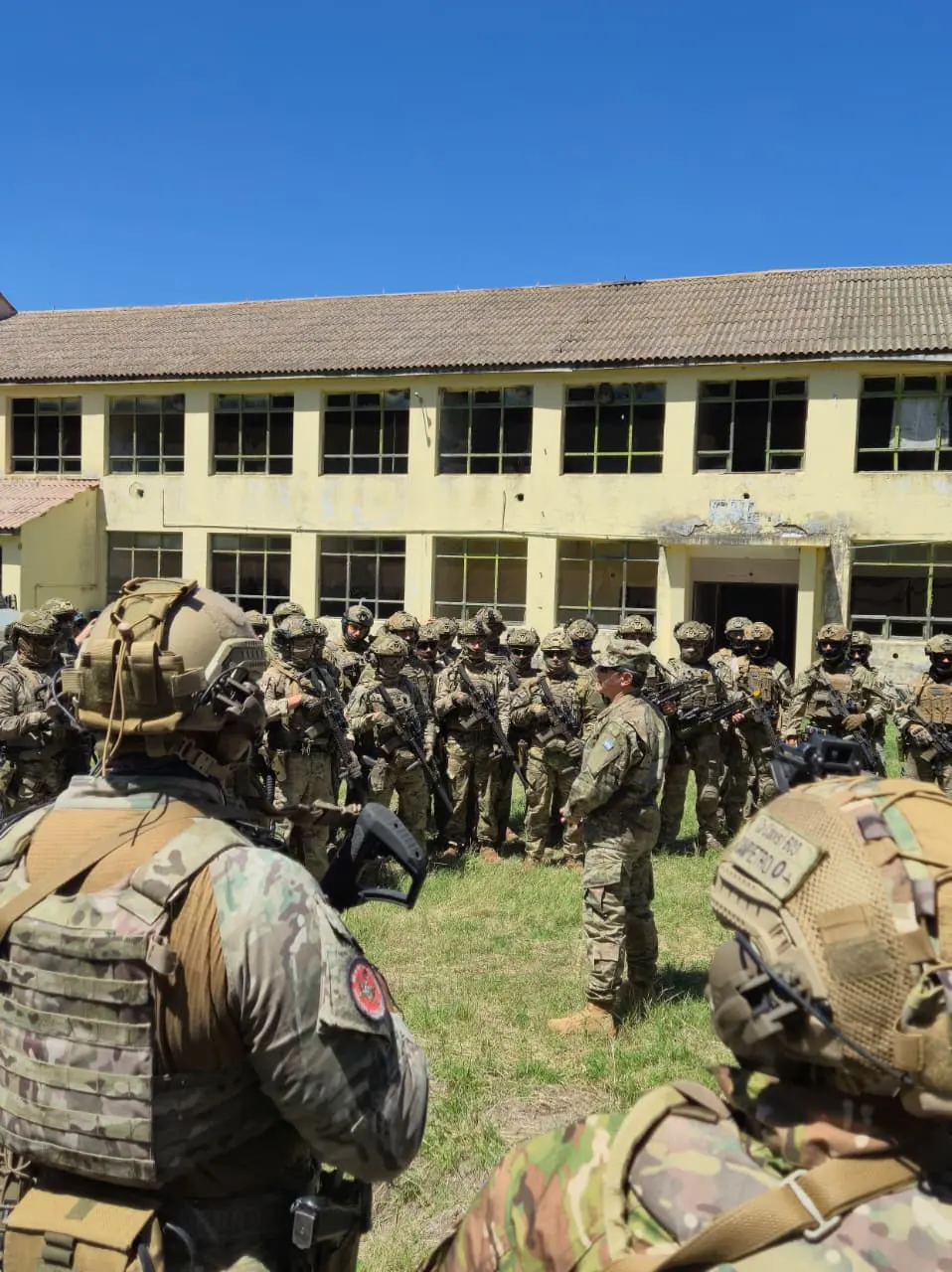
In response to the aggression, the government of Azul established the Odin Theater of Operations, a unified command to lead the response of its military forces and reclaim its territory.

Minister Carlos Presti with soldiers.

The activities and objectives of Exercise Fénix

Based on this hypothetical scenario, the Joint Exercise Fénix included various maneuvers aimed at testing the operational capabilities of the Armed Forces. Each exercise represented a specific operation within the framework of maneuvers aimed at recovering occupied territory.

Among the activities carried out were amphibious landings using inflatable boats and vehicles, air operations, infiltrations via parachute jumps, and urban combat exercises.

There were also artillery shooting practices, missile launches, bombs, detonation of explosives, and training with tanks and armored personnel carriers.

These activities allowed for training in various military procedures and evaluating coordination among land, naval, and air units in combat situations.

The central objective was to verify the training level of the personnel, assess the functioning of available resources, and strengthen the capacity of the three forces to operate under a joint command.

The simulation also allowed for testing the response to threats against strategic infrastructure and military operations that require a rapid and coordinated intervention.

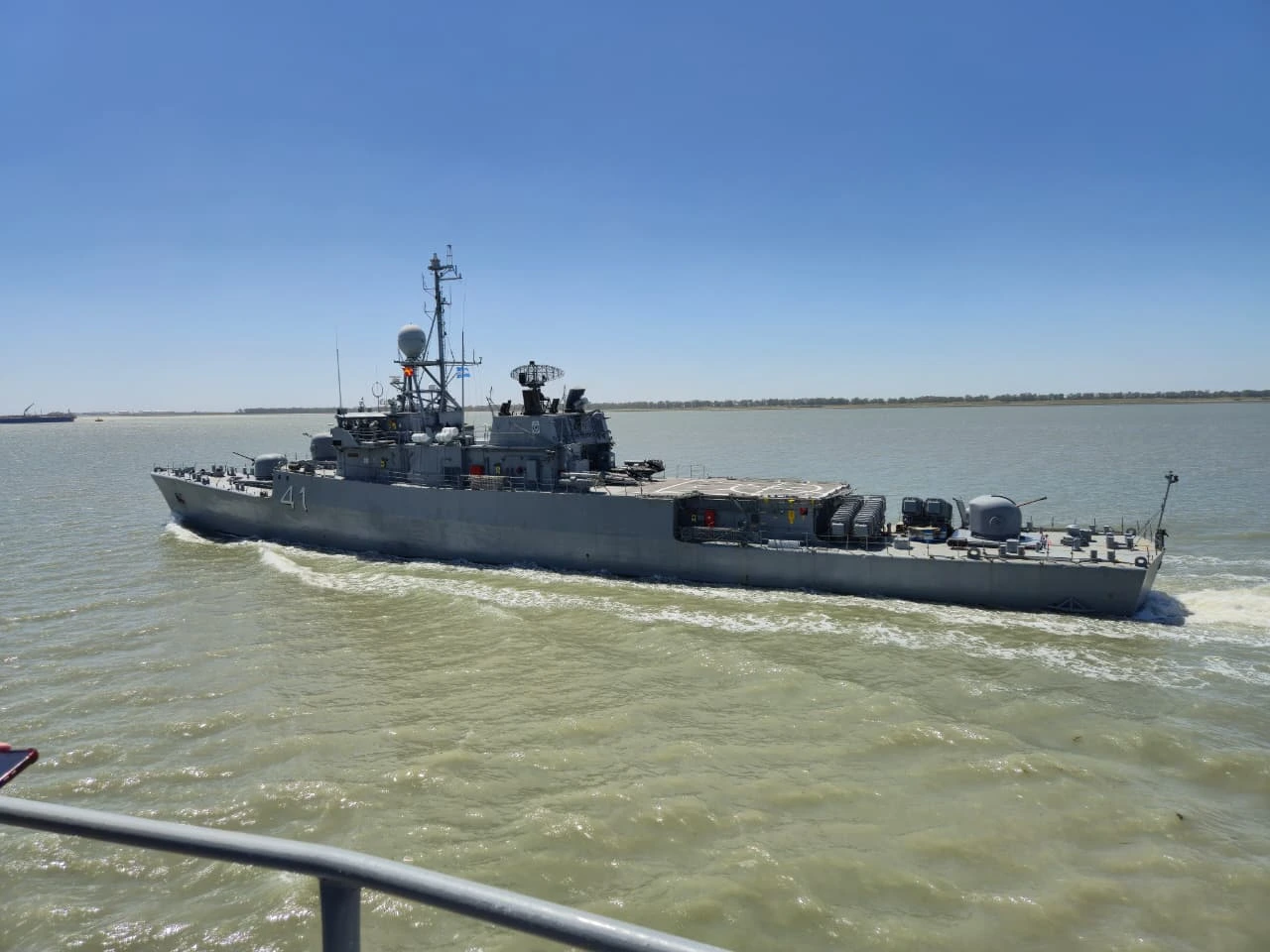
A destroyer.
A destroyer.

Another central aspect of the exercise was the magnitude of the logistical effort required to sustain operations. In just a few days, 300,000 liters of fuel were mobilized and 25,060 food rations were prepared.

Additionally, the deployment included a self-generated electrical capacity of 225 kW and a total distance of 196,187 kilometers between deployment and redeployment, equivalent to approximately 38 times the length of National Route 40.

The participation of La Derecha Diario allowed for an inside look at the planning and dimensions of an exercise that tested the coordination of the three forces, logistical capacity, and the Argentine military's preparedness in a high-complexity conflict scenario.