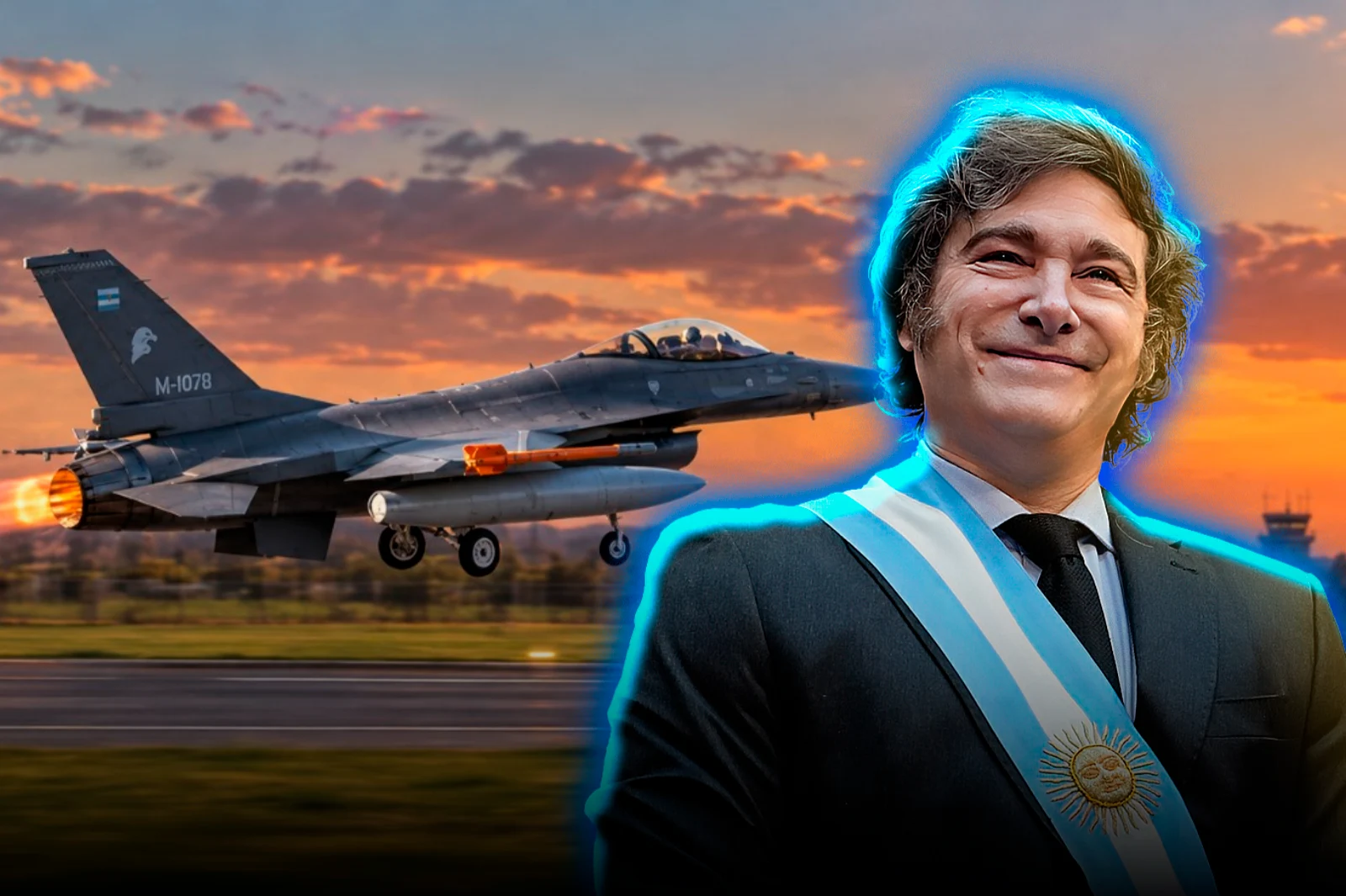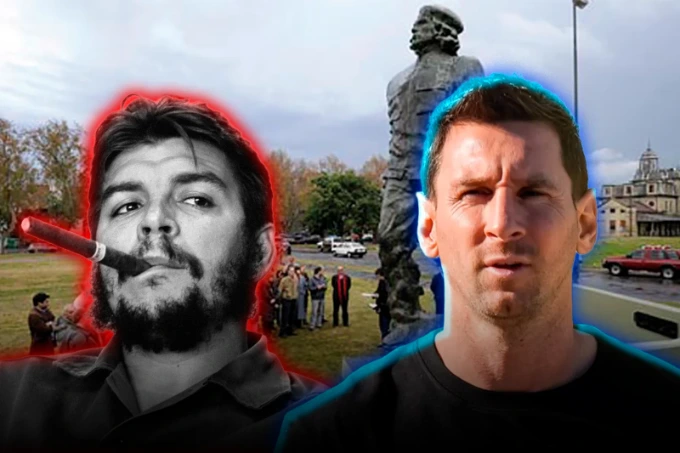

The Argentine Republic is undergoing an irreversible cultural transformation, following the "phenomenon Milei". This demand has found its epicenter in the emblematic city of Rosario, where an absolute symbolic purge is being demanded: to forever banish the glorification of communist totalitarianism and instead glorify the Western values of achievement embodied by the greatest footballer of all time.
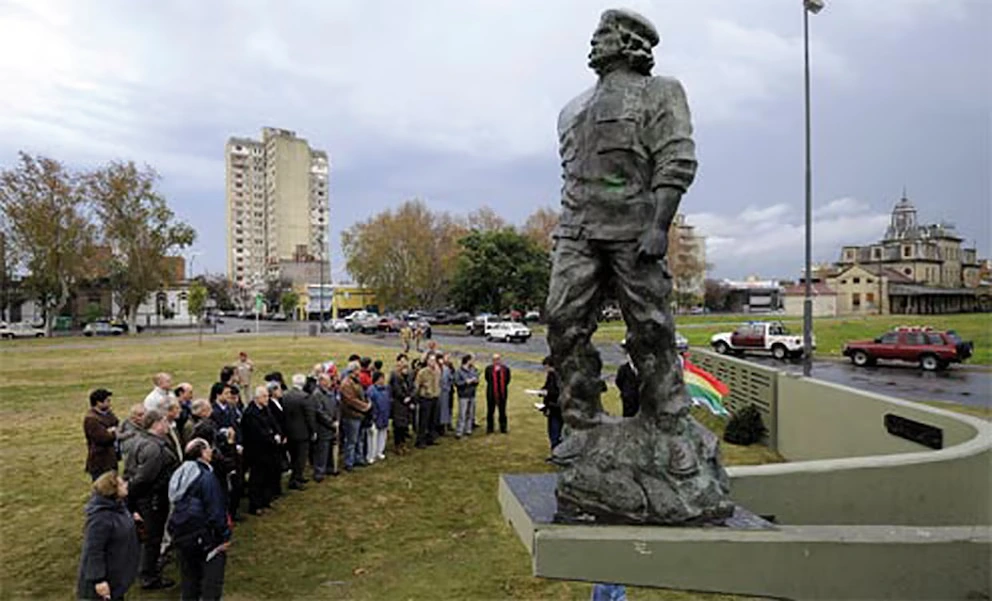
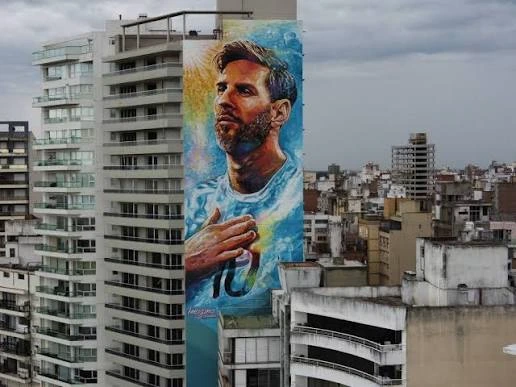
The person responsible for channeling this historic demand is former national deputy from the province of Santa Fe, legislator Gabriel Chumpitaz, who will formally present a project to the Municipal Council of Rosario as a private initiative to replace all monuments, public spaces, and tourist references related to Che Guevara with the figure of Lionel Messi.
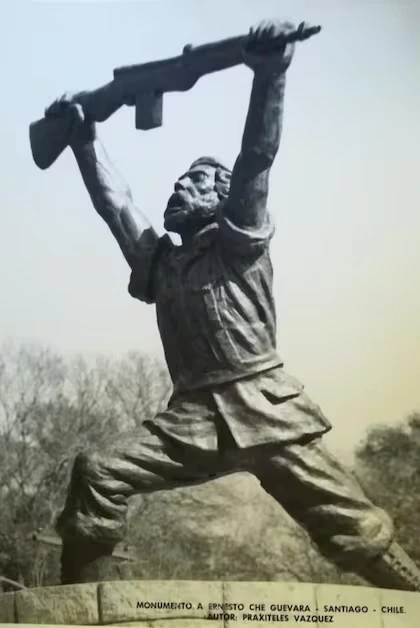
The proposal reaches an unprecedented urban dimension, demanding the dismantling of murals, plazas, statues, health centers, libraries, and the complete removal of these symbols from the official circuit promoted through the municipal digital application, Rosario Turismo.
The author of the project argues that the city has a unique opportunity to reposition itself in the eyes of the free world through sports, using the captain of the national team as the definitive ambassador of the city that gave birth to both. In the words of the legislator himself:
“We must stop reclaiming symbols that generate division and start valuing those that allow us to come together”.
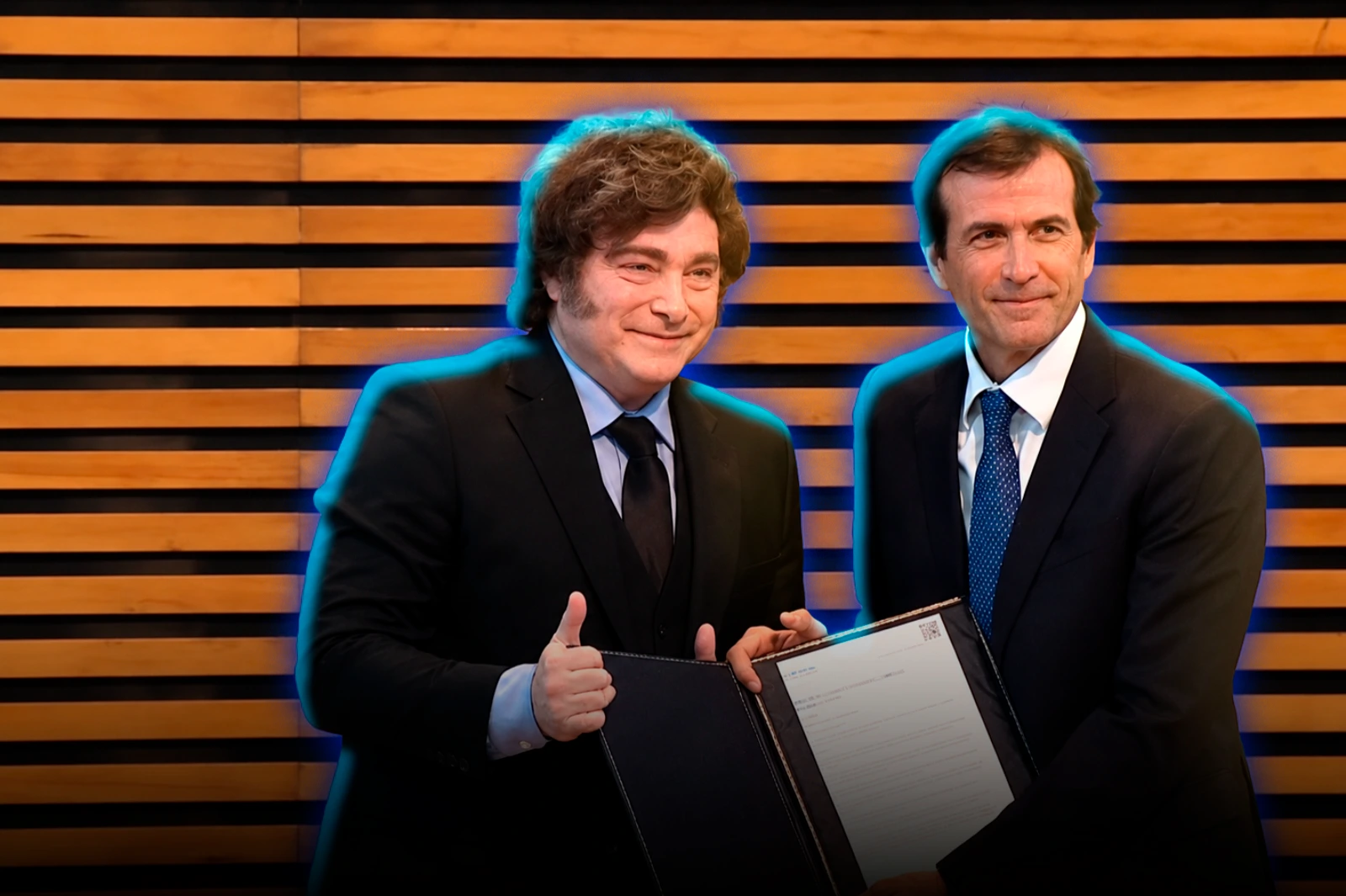
In line with the transparency policies of the national administration of Javier Milei, the project by Gabriel Chumpitaz demands a thorough oversight of public funds.
The former legislator urgently called for knowledge of “the precise details of how much the municipality of Rosario spends on this farce of Che Guevara”, directly targeting the Municipal Culture Secretariat and the budget allocations that sustain the so-called “Che Circuit”, as well as the high maintenance costs of the infrastructure associated with this political route.
The initiative does not stop at the economic aspect but reveals the true face of historical communism. In arguing the reasons to displace the Cuban guerrilla from public space, Gabriel Chumpitaz was emphatic about the legacy of violence from the left:
“Che divides, Messi unites us. We cannot continue building the identity of Rosario around such a controversial figure, associated with revolutionary violence, authoritarianism, Marxism, and executions and persecutions during the Cuban revolutionary process”.
The legislator from Santa Fe also recalled the systematic violations of human rights sanctioned by the socialist regime of the Caribbean island:
“Ernesto Guevara operated in forced labor camps, signed and endorsed executions. When he implemented his policies, he nationalized everything and failed. The most serious thing is that he sent dissidents, religious people, and homosexuals to be 'reeducated'”.
In the face of collectivist barbarism, the figure of the world's greatest football star presents itself as the embodiment of capitalist success and decency:
“We are the city that saw the birth of Lionel Andrés Messi Cuccittini. While other symbols refer us to past conflicts, Messi allows us to talk about sports, effort, competition, work, and future”.
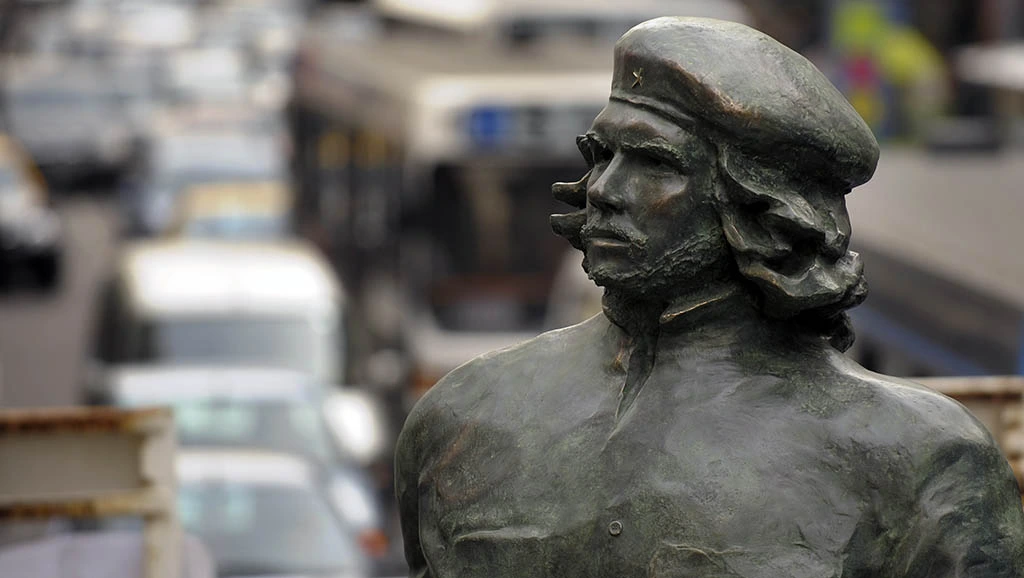
For all these reasons, a definitive dilemma is posed for society: “We must define what we want from Rosario. If it promotes and identifies with the past, in the figure of Che Guevara, or if we seek to promote the present and the future with Lionel Messi, through sports, health, and good customs”.
The proposed reform promises a strong impact on the local economy, replacing a marginal ideological tourism with a multimillion-dollar industry based on sports and the global brand of Lionel Messi.
According to the former legislator, the worldwide devotion to the captain will allow for the capture of large-scale private investments: “Around sports, in Rosario, we can generate a phenomenal industry”.