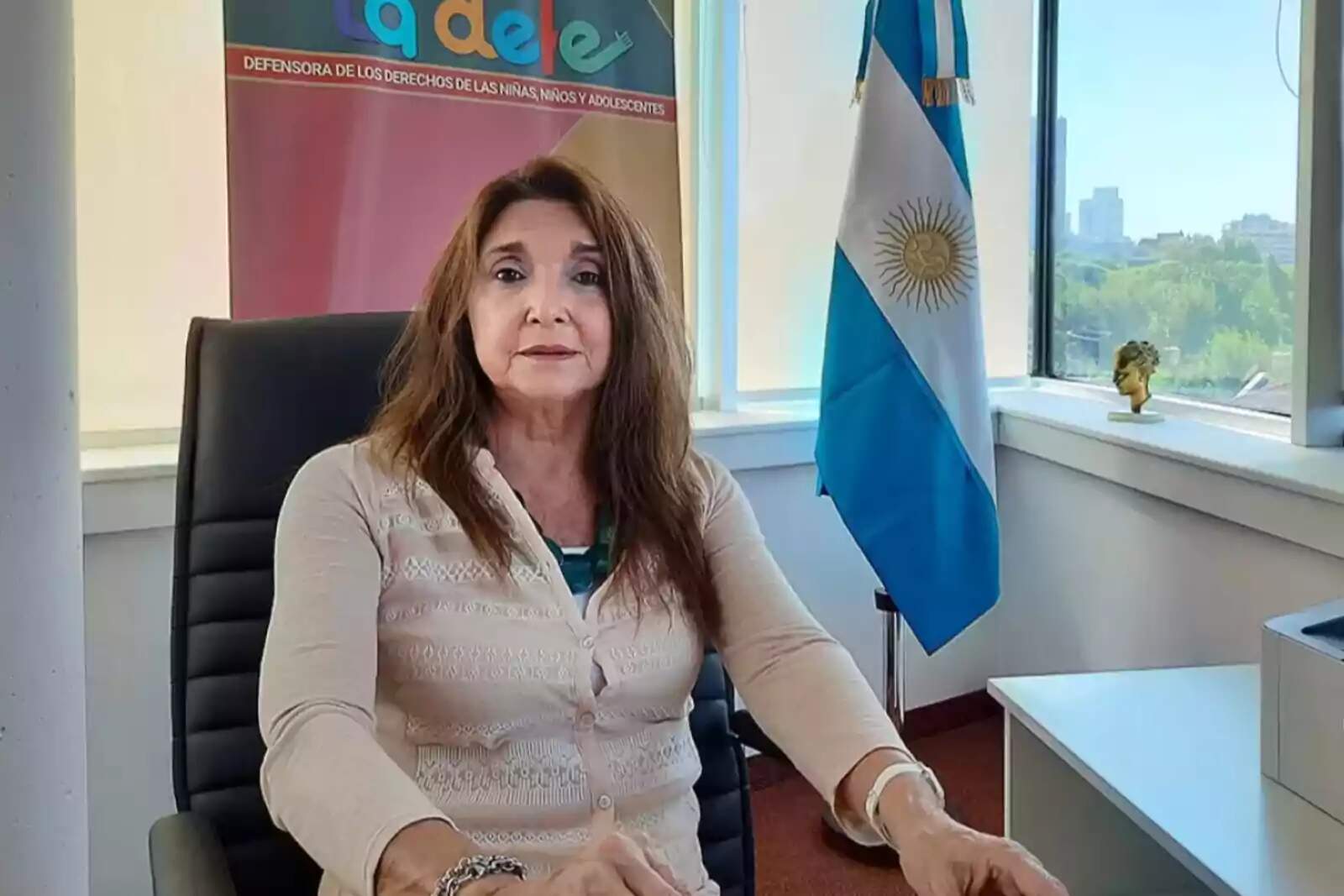

The controversial situation involving communist Marisa Graham, head of the Office for Children and Adolescents, who endangered the institutionality by extending her term by her own decision in January, came to a close this Wednesday after a joint vote between the ruling party and moderate opposition sectors that decided to terminate her administration as of that same day.
However, the bicameral commission responsible for overseeing the agency was left in an uncertain transition, since it is not clear who will take over the leadership of the Office, after a chaotic and tense meeting led by Radical Deputy Natalia Sarapura, president of the commission.
The controversy with Marisa Graham
To understand the situation, it is necessary to go back a few months. Since the last part of last year, the Government of Javier Milei expected Graham to complete her term, which was set to expire at the end of February, and step down from the institution. In that context, the formation of the bicameral commission was postponed.

Among the criticisms directed at the communist in the position of Ombudswoman were accusations of having politically taken over the agency and of having actively promoted the bloody abortion law.
Law 26.061, enacted in 2005, on the comprehensive protection of the rights of children and adolescents, establishes in its article 49 that "the Ombudsperson for the Rights of Girls, Boys, and Adolescents shall be proposed, appointed, and removed by the National Congress, which shall appoint a bicameral commission composed of ten members, five from each Chamber, respecting the proportion of political representation, who shall be responsible for evaluating the appointment to be carried out through a public competition of background and opposition."
Graham, whose term was to end on February 28, 2025, attempted to remain in her position by taking advantage of uncertainty in the functioning of the Bicameral in Congress, which had not been formed due to disagreements in its constitution.