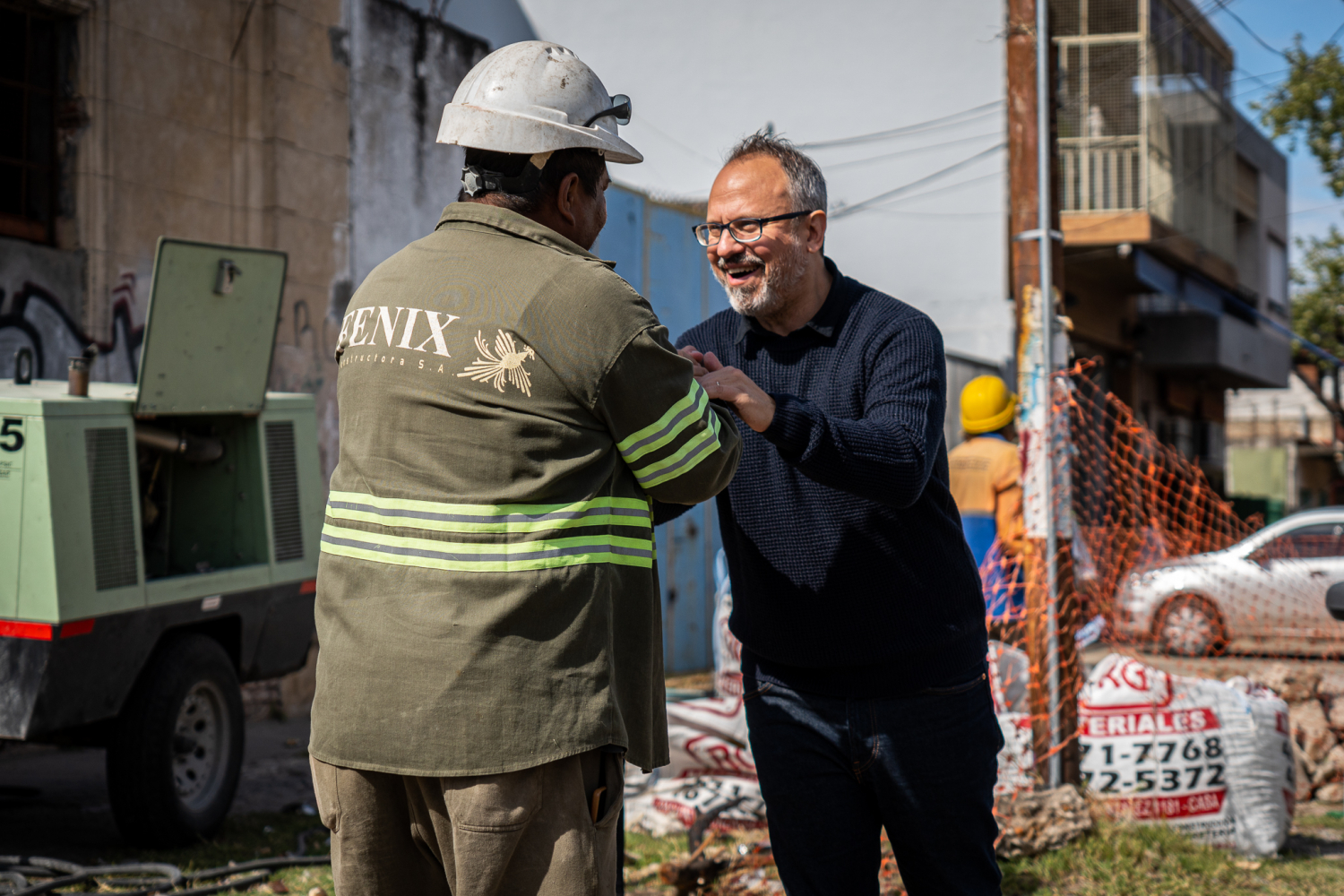

The municipality of Tres de Febrero published a report detailing the main achievements of the mayor of La Libertad Avanza, Diego Valenzuela, presenting the “decade of transformation based on order, freedom and innovative management”.
The document places the origin of the process in the political change of 2015, when “the residents of Tres de Febrero made a clear and conscious decision: to change a way of governing that had become bureaucratic, opaque and removed from everyday problems”.
From that starting point, the report describes a management model that has been sustained over time and “ratified by the popular vote in six consecutive elections”, which allowed the consolidation of a series of structural reforms.

Less bureaucracy and digitalization
One of the central axes of the document is administrative simplification.It states that “useless bureaucracy is a silent way of hindering the lives and work of neighbors and
businesses”.The main measures include the elimination of intermediaries and informal circuits within the municipality, as well as the implementation of digital tools. In this framework, the creation of the Mi3F platform stands out, which works as a digital one-stop shop
.According to the report, more than 150,000 procedures were carried out digitally and 170,000 citizens joined the system, representing approximately 42% of the district's population.
In addition, it should be noted that 35% of the procedures are carried out outside working hours, an indicator of greater accessibility and autonomy for neighbors.

State Reform and Fiscal Order
The document also highlights a policy of controlling public spending. In this regard, it is indicated that wage expenditure remained between 30% and 35% of the total, one of the lowest levels in the Buenos Aires suburbs
.In parallel, a restructuring of the purchasing system was carried out, going from a scheme with more than 3,300 purchase orders in 2015 to less than 800 in 2025, together with an increase in public tenders.
This reorganization made it possible to improve transparency and efficiency, in addition to maintaining salaries and allocating between 15% and 20% of the budget to investment in works.