Three days after the elections, the military carried out a coup d'état in Guinea-Bissau.
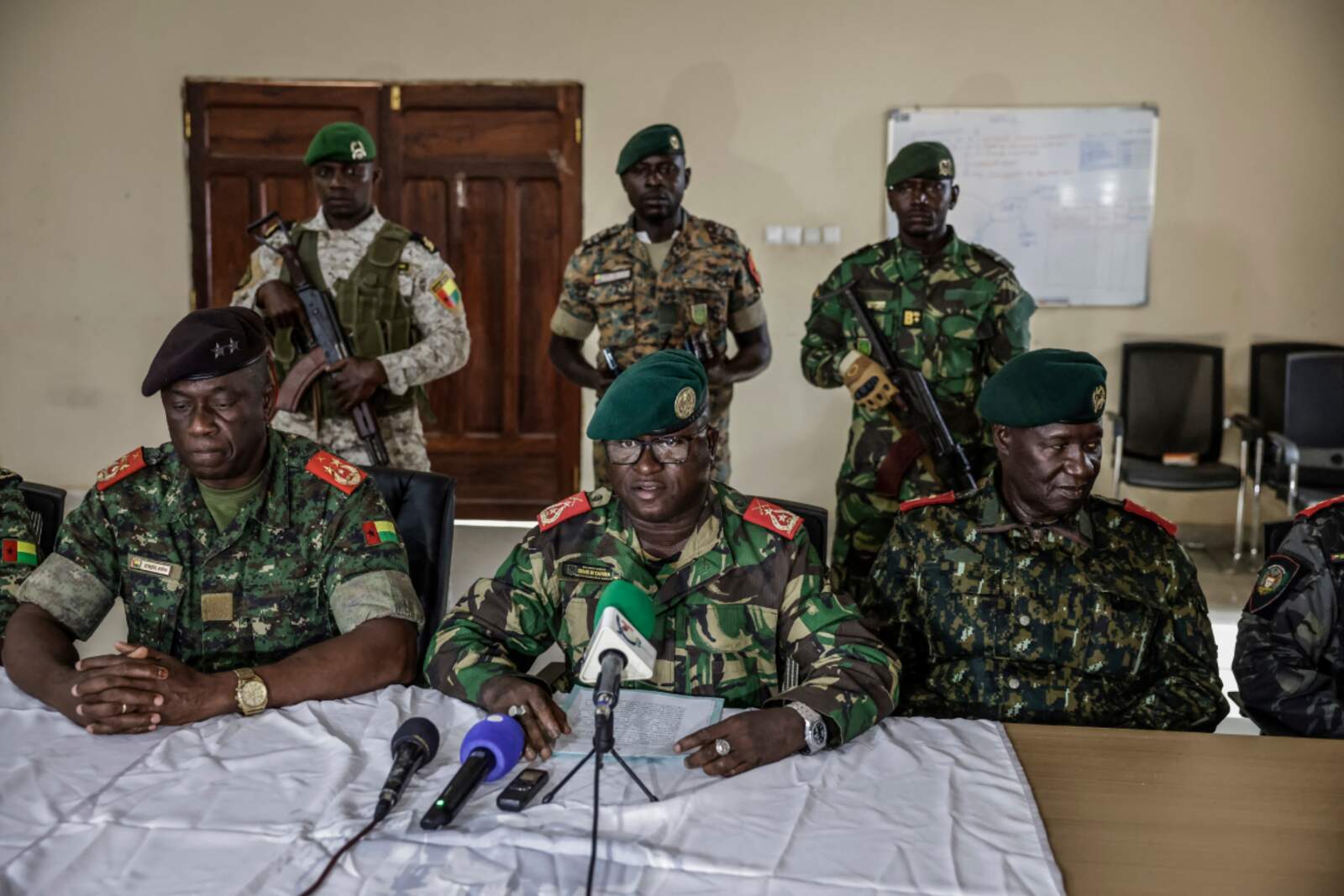
General Denis N’Canha
porEditorial Team
Argentina
The Armed Forces stated on Wednesday that they were assuming 'total control' of the country
The Armed Forces of Guinea-Bissau announced on Wednesday that they were assuming "full control" of the country, while suspending the electoral process and closing the borders, just three days after the legislative and presidential elections in the West African country.
During the afternoon, General Denis N’Canha, head of the military office of the presidency, informed the press that a command "integrated by all branches of the armed forces" was taking leadership of the country "until further notice." The officer read the message while seated at a table and surrounded by armed soldiers.
The acting president, Umaro Sissoco Embaló, was inside a building near the military headquarters, "with the Chief of Staff and the Minister of the Interior," according to a senior official who spoke to AFP on condition of anonymity. Later, military sources confirmed to AFP that Embaló had been detained and was being "well treated."
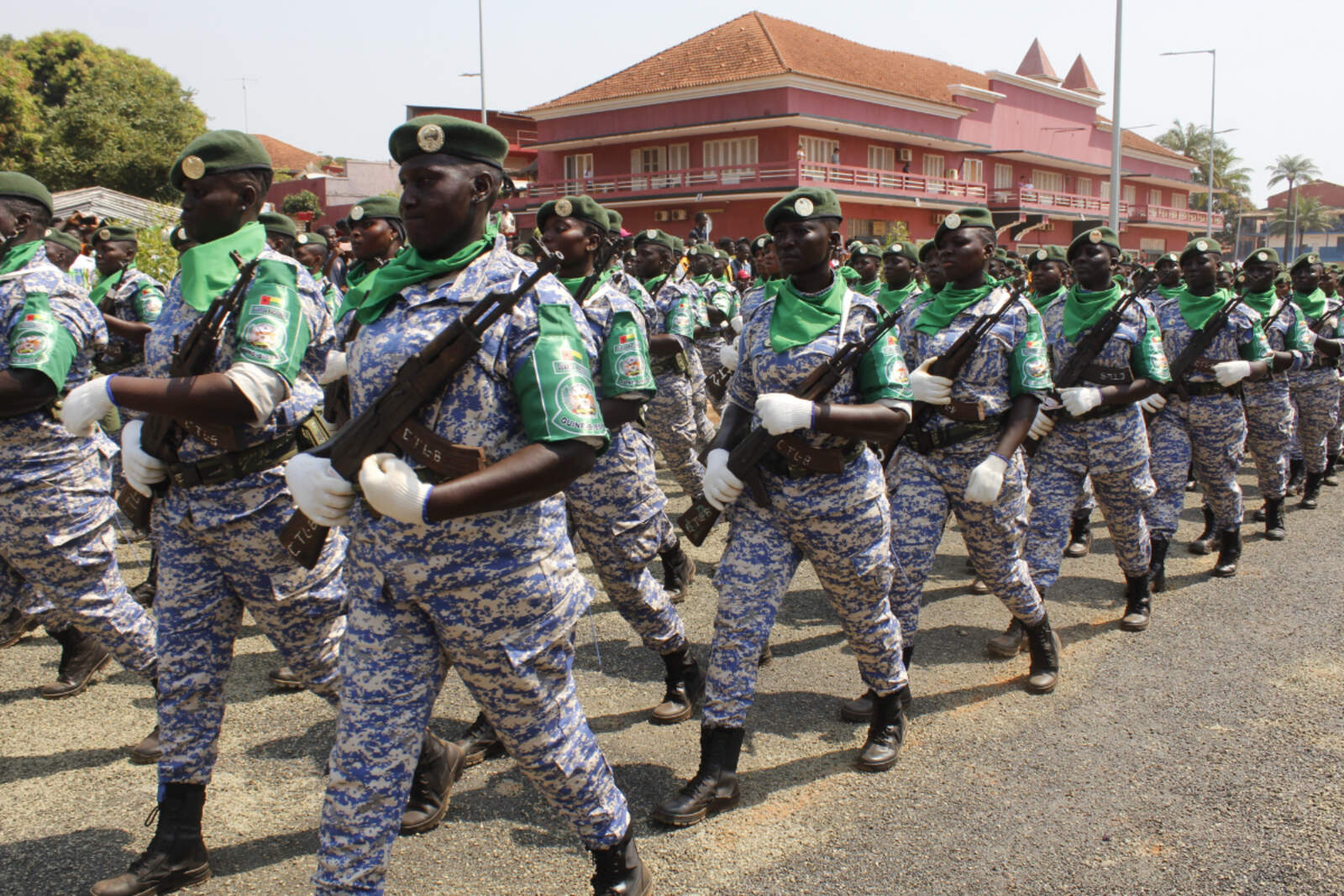
Militares de Guinea-Bissau.
Hours earlier, intense automatic gunfire had shaken the center of the capital, while troops took control of the main access routes to the presidential palace, in a country with a long history of coups d'état and political instability.
Members of the presidential guard and an elite unit of the gendarmerie secured the deserted area around the palace once calm began to return and the gunfire subsided, according to AFP journalists. Hundreds of people fled on foot and by vehicle seeking refuge when the first bursts were heard.
Witnesses interviewed by EFE in Bissau indicated that the population in that area fled in terror toward the outskirts, trying to find safety in the presence of a group of armed men. For now, the origin of the gunfire is unknown.
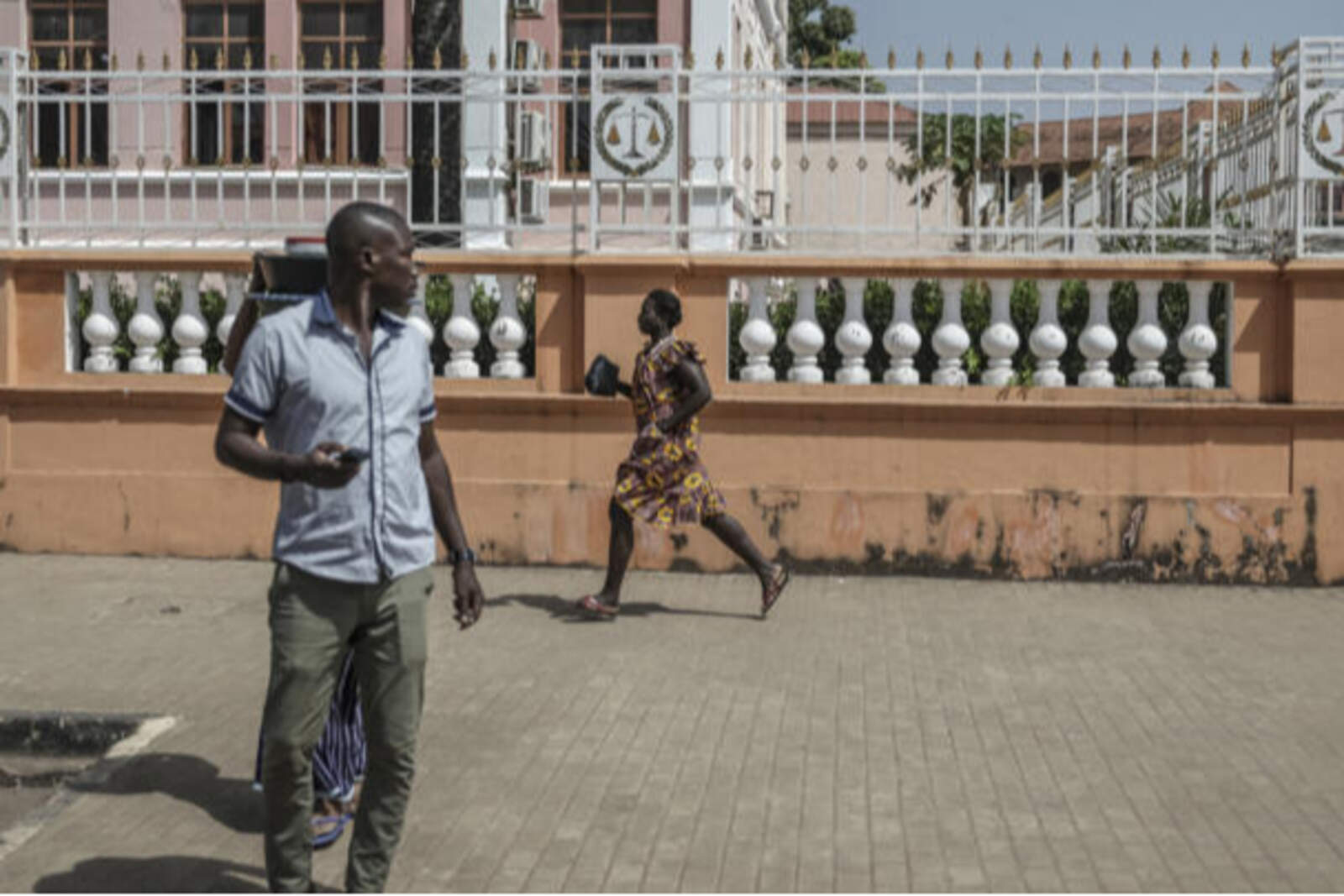
Civiles de Guinea-Bissau.
A source from the Ministry of the Interior and Public Order, under anonymity, told the local newspaper O Democrata that armed men stormed the headquarters of the National Electoral Commission and also attempted to attack the presidential palace. According to the French pan-African weekly Jeune Afrique, Embaló himself confirmed that he was detained around noon in his office.
According to the publication, the outgoing president stated that he did not suffer any act of violence during this "coup d'état," which he attributes to the Chief of Staff of the Army.
All access roads to the presidential palace were blocked, including those near the Embassy of Portugal, O Democrata reported. Heavily armed and hooded soldiers patrol the area to prevent the entry of political leaders who might attempt to seek refuge in that diplomatic mission.