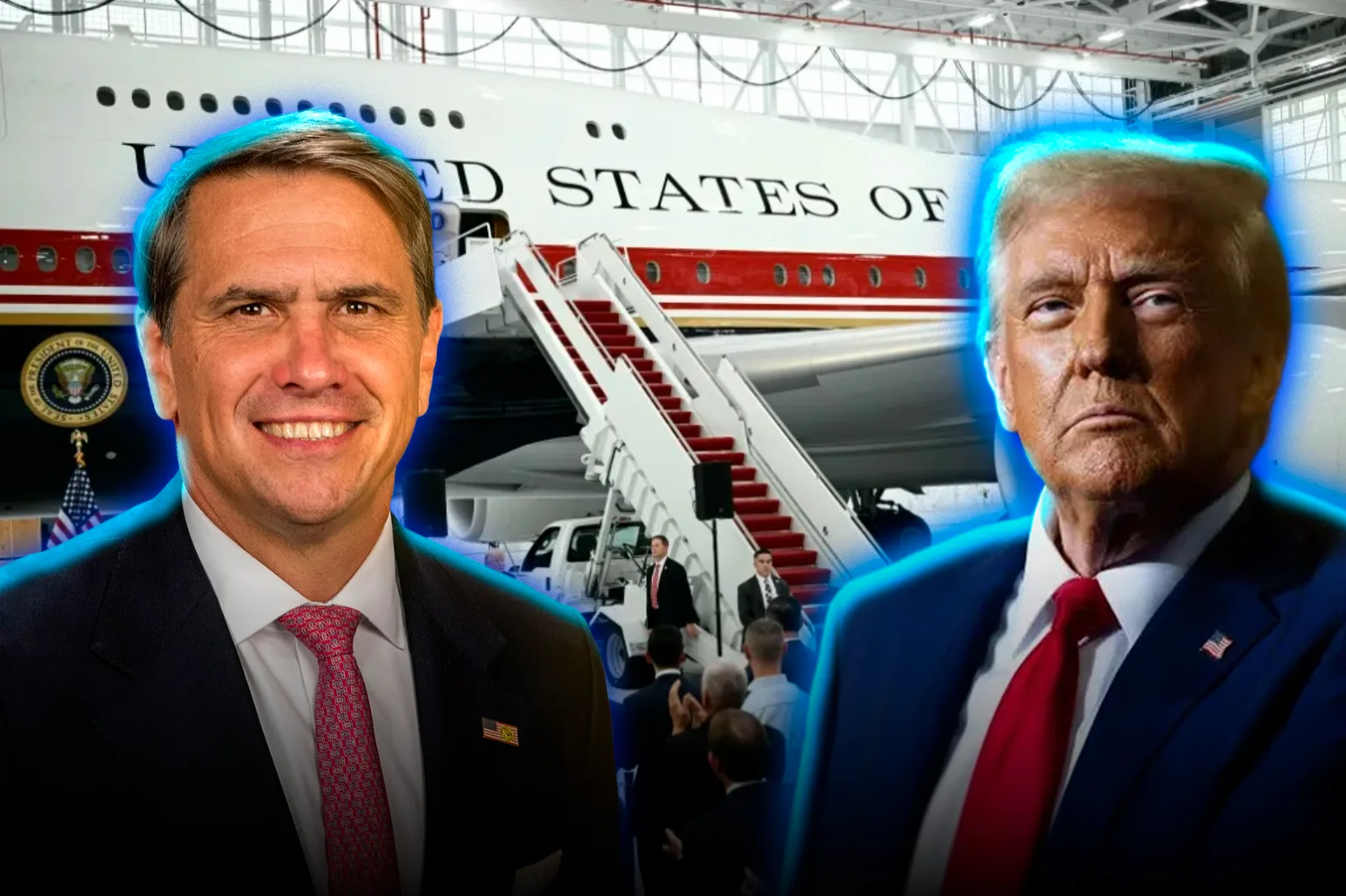

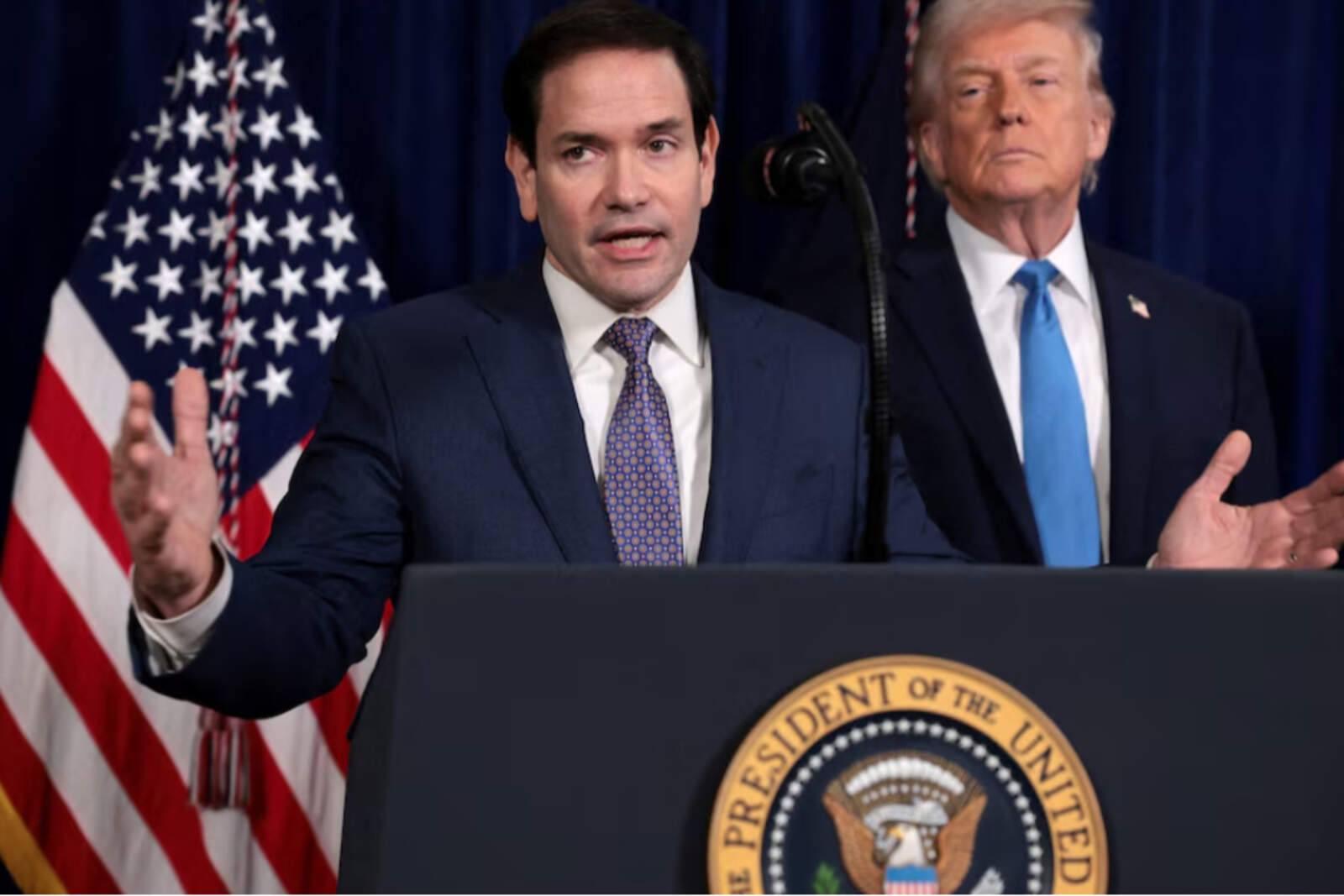
United States Secretary of State Marco Rubio will visit Hungary next week to hold meetings with senior officials of Prime Minister Viktor Orbán's government, on a tour that confirms the strengthening of the bond between Washington and one of the most critical leaders of the current course of the European Union. The trip will take place shortly after President Donald Trump’s explicit endorsement of the Hungarian prime minister and amid a scenario of growing transatlantic tensions.
The State Department officially confirmed the visit and specified that the central objective is to deepen bilateral and regional cooperation, with a focus on energy policy and diplomatic coordination for international peace processes. According to spokesperson Tommy Pigott, Rubio will meet in Budapest with Hungarian authorities to "strengthen shared interests, including commitments to regional security and the energy partnership between the United States and Hungary."
The agenda includes two days of meetings and is part of a broader tour that will also include Slovakia, consolidating the United States' presence in Central Europe, a key region in the new geopolitical reordering.
Orbán, a strategic ally in the face of Brussels' bureaucratic advance
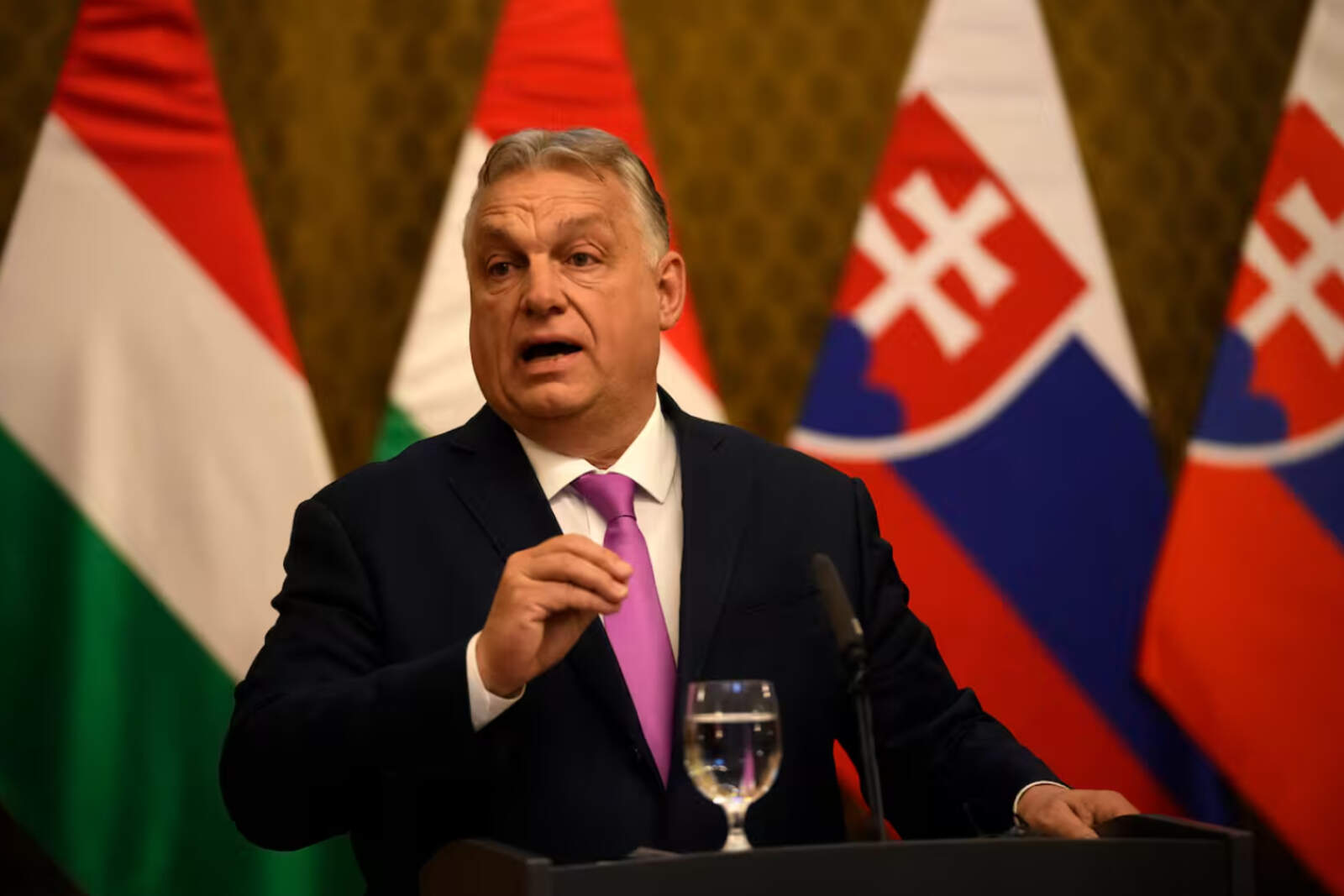
Rubio's visit will take place at a politically sensitive moment for Viktor Orbán, who is facing the most competitive electoral contest since he came to power. The Hungarian prime minister will seek a fifth consecutive term in the elections scheduled for April 12, in a scenario where polls show growth of the opposition led by Peter Magyar, a former official of the governing party itself.
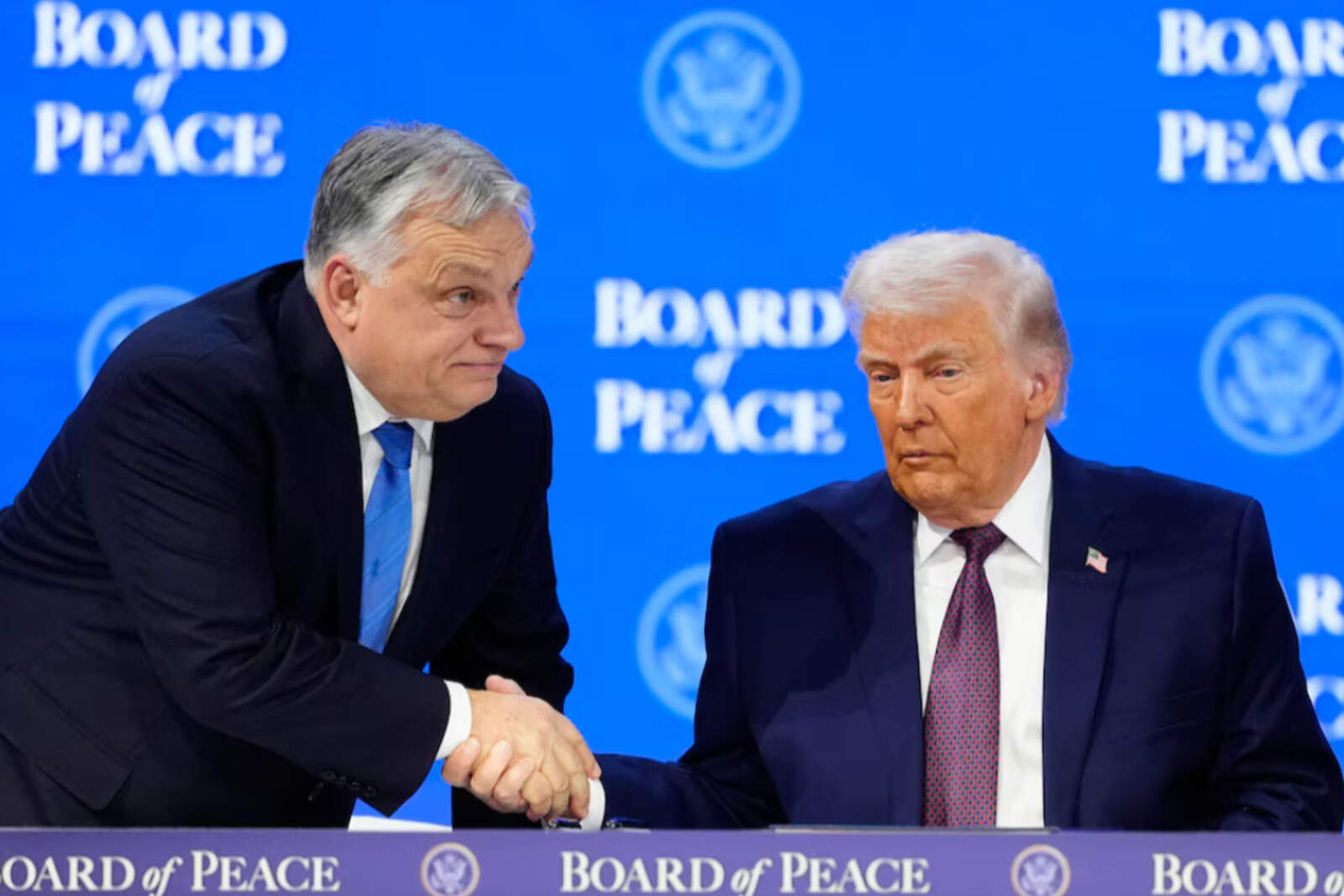
In this context, Trump's support is not merely symbolic. The United States president publicly described Orbán as "a true friend, fighter, and winner", highlighting his firm leadership, his defense of national sovereignty, and his resistance to the ideological impositions of the European Union.
Orbán has been one of the few leaders of the community bloc to openly question automatic sanctions against Russia and to maintain a pragmatic stance regarding energy security, an approach that clashes with the dominant line in Brussels but that finds an echo in sectors of Washington.