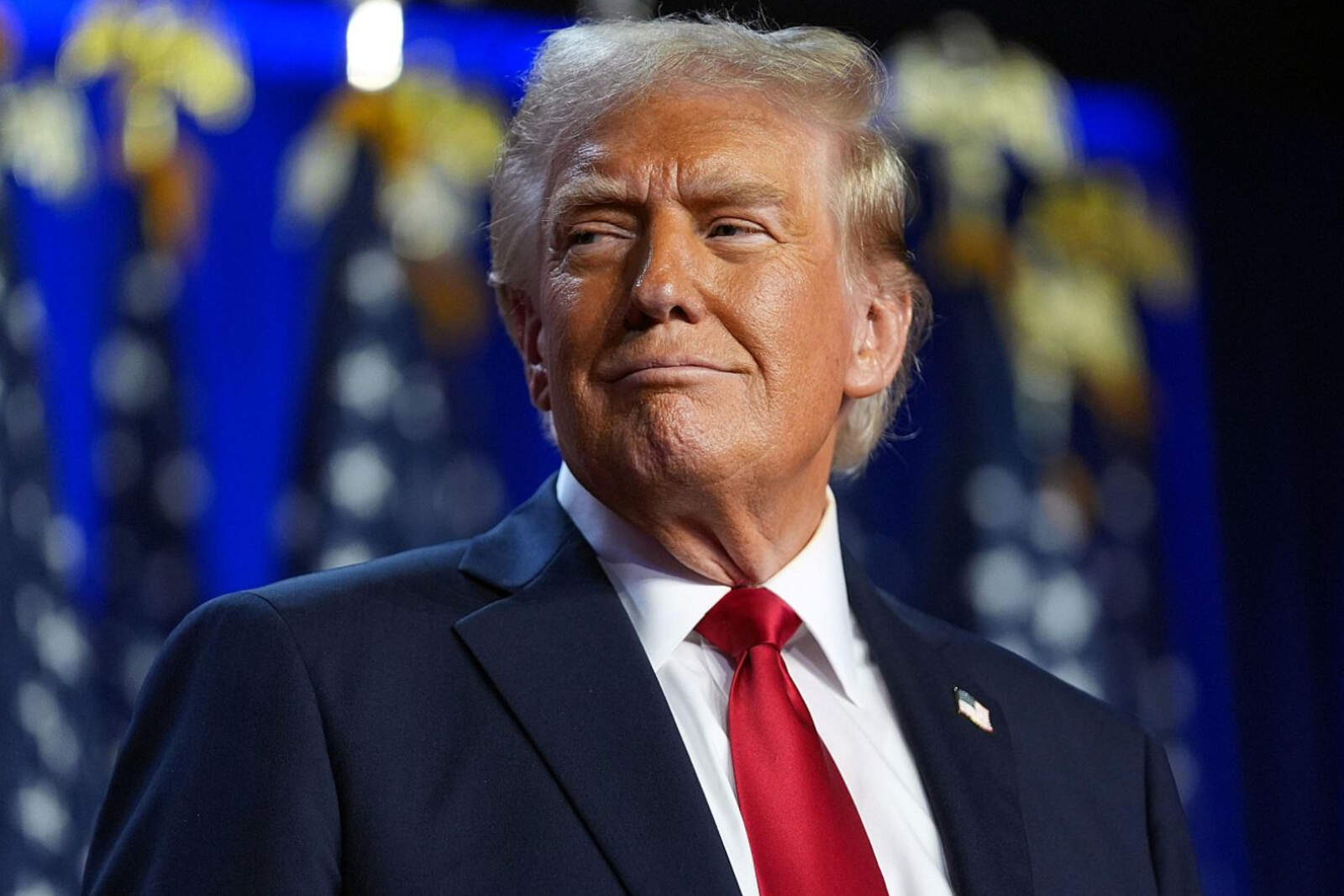

Donald Trump announced the cancellation of a second wave of military actions in Venezuela after the Chavista regime released a significant number of political prisoners. The measure confirms that the United States' pressure strategy worked, forcing concessions that had never been achieved through diplomatic channels.
Analysts agree that Nicolás Maduro's fall and energy cooperation open an unprecedented scenario for the reconstruction of the country.
The release of political prisoners confirms the internal breakdown of Chavismo
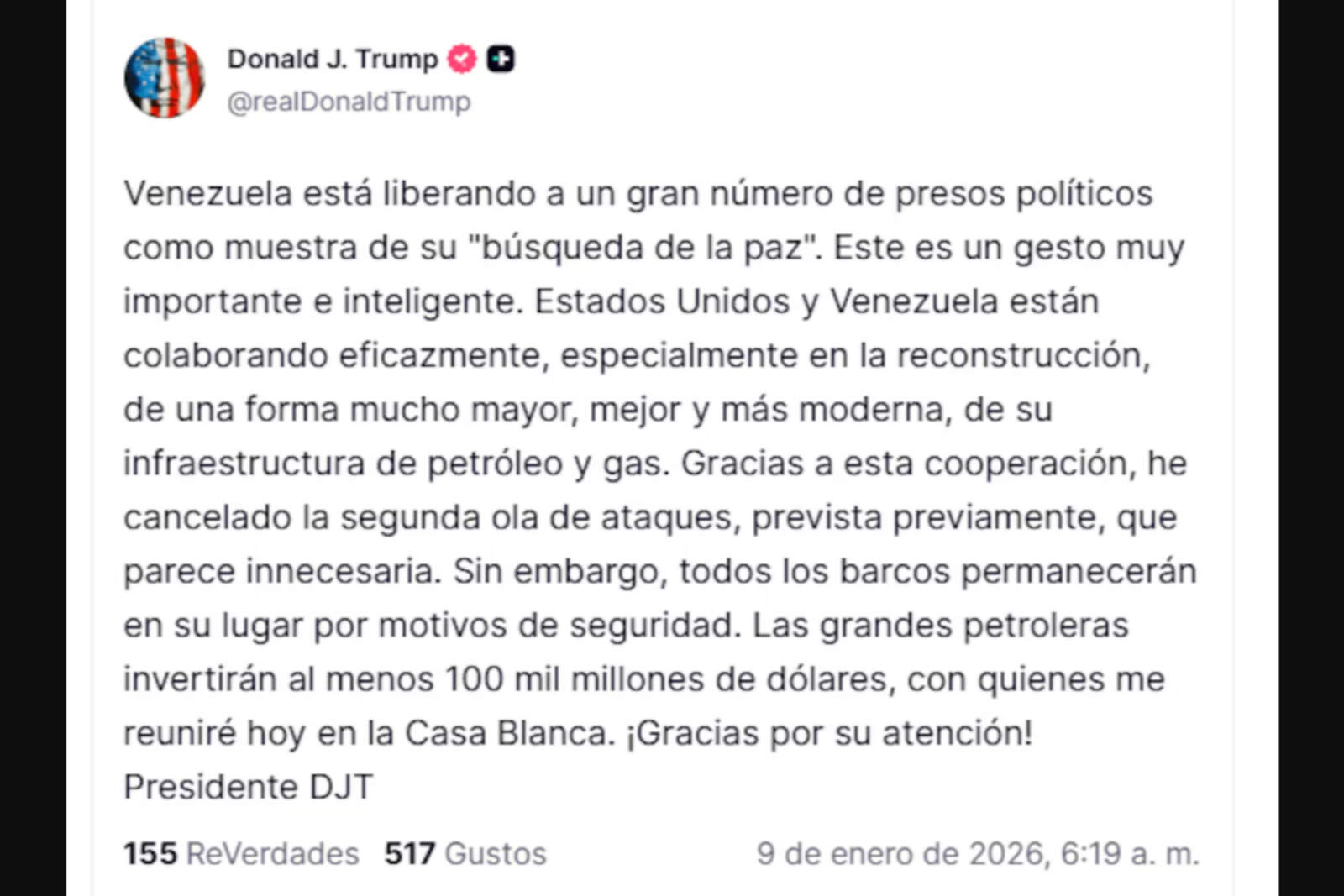
Trump described the release of political prisoners as an "important and intelligent gesture", but the background is much clearer: it is a concession obtained under direct pressure from the United States, which in less than a week achieved what years of international negotiations had never accomplished.
Jorge Rodríguez's announcement, president of the Venezuelan Assembly, was practically an implicit admission of weakness. The release from prison is taking place "from this very moment," according to his own words, confirming that the regime yielded in the face of a scenario with no room for maneuver after Nicolás Maduro's capture.
The second wave of attacks was not necessary: mission accomplished
The cancellation of the second military phase doesn't imply a step back, but quite the opposite: it means that the main objective —neutralizing Maduro and stopping systematic repression— has already been achieved. Trump indicated that all United States ships will remain in position, a clear message that deterrence remains active and ready to respond to any attempt at Chavista reorganization.
The president also announced that major international oil companies will invest at least 100 billion dollars in Venezuela and confirmed meetings with their representatives at the White House, showing that the process of energy reconstruction is being planned in a rapid, direct way and with private capital.
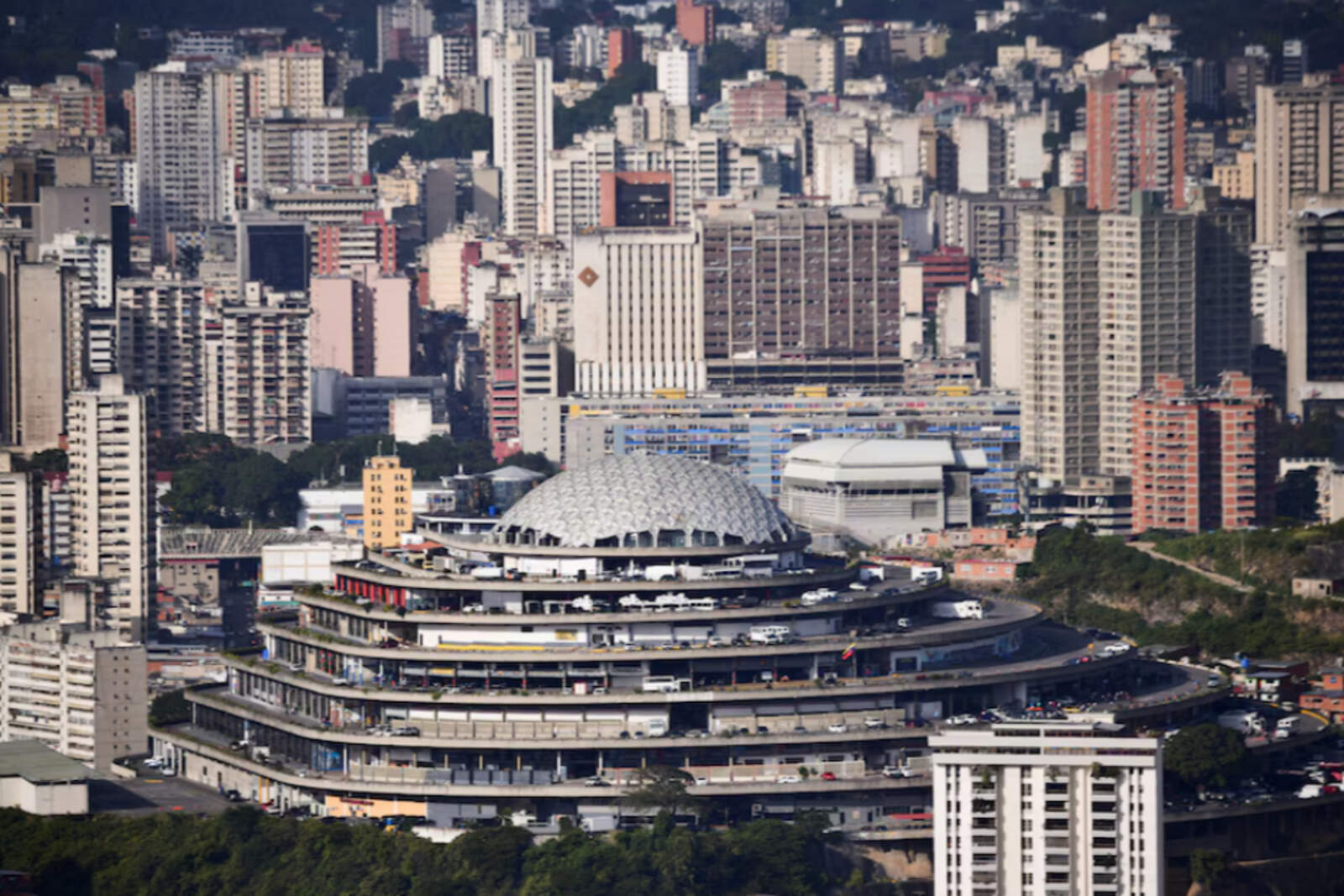
The end of the torture system: evidence of the collapse of the repressive apparatus