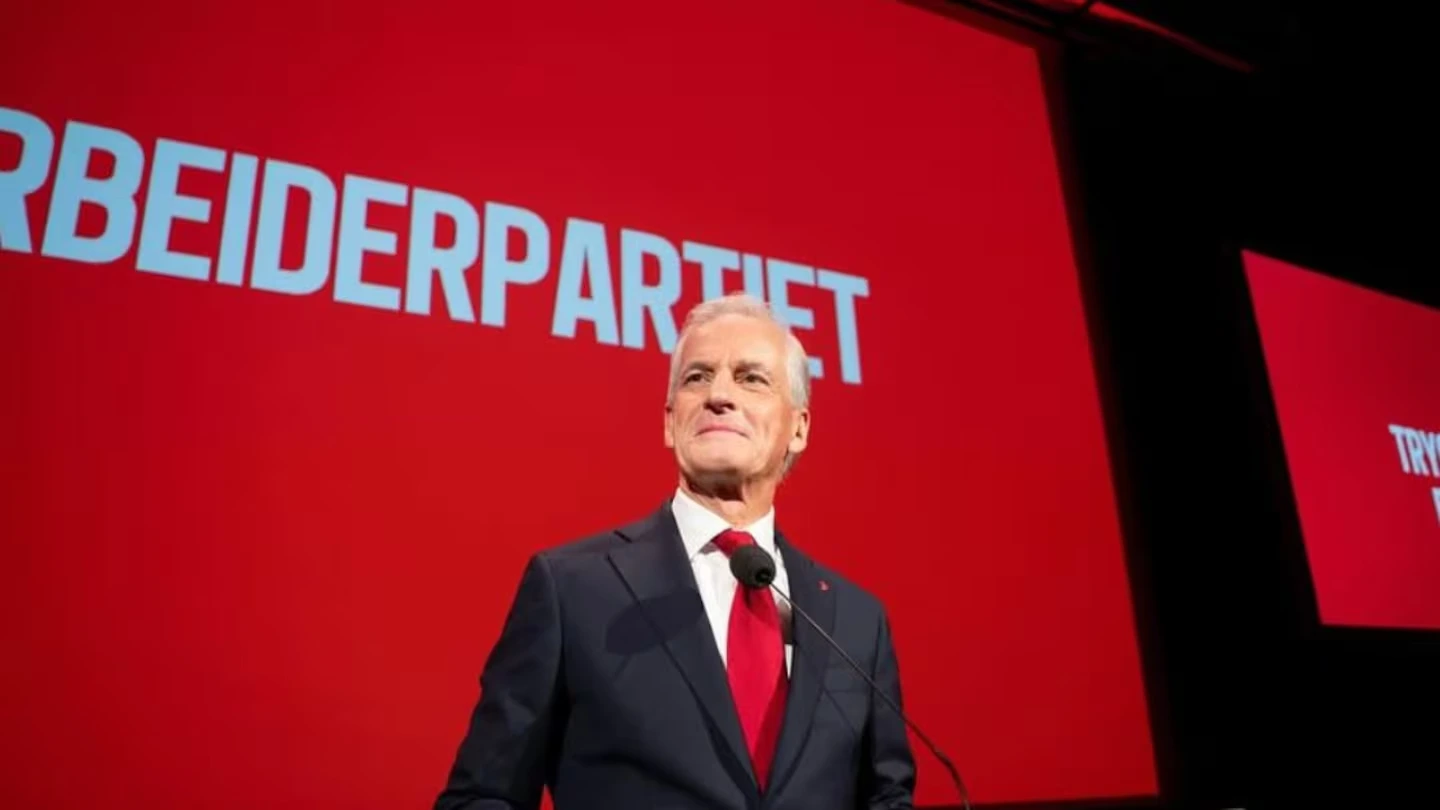
The Norwegian government announced that it will submit before the end of 2026 a bill to prohibit the use of social networks bychildren under 16 years of age, in a measure that seeks to strengthen the protection of children against the risks of the digital environment. The initiative, promoted by the Executive led by progressive Prime Minister Jonas Gahr Støre, also contemplates transferring to technology companies the responsibility of implementing effective
age verification systems.
According to the government, the central objective of the proposal is to ensure that children can develop in a healthier environment, where play, face-to-face socialization and daily life are not dominated by algorithms or by the excessive use of screens. “We want a childhood where children can be children,” said Støre, defending legislation that she considers key to safeguarding the digital lives of minors
.
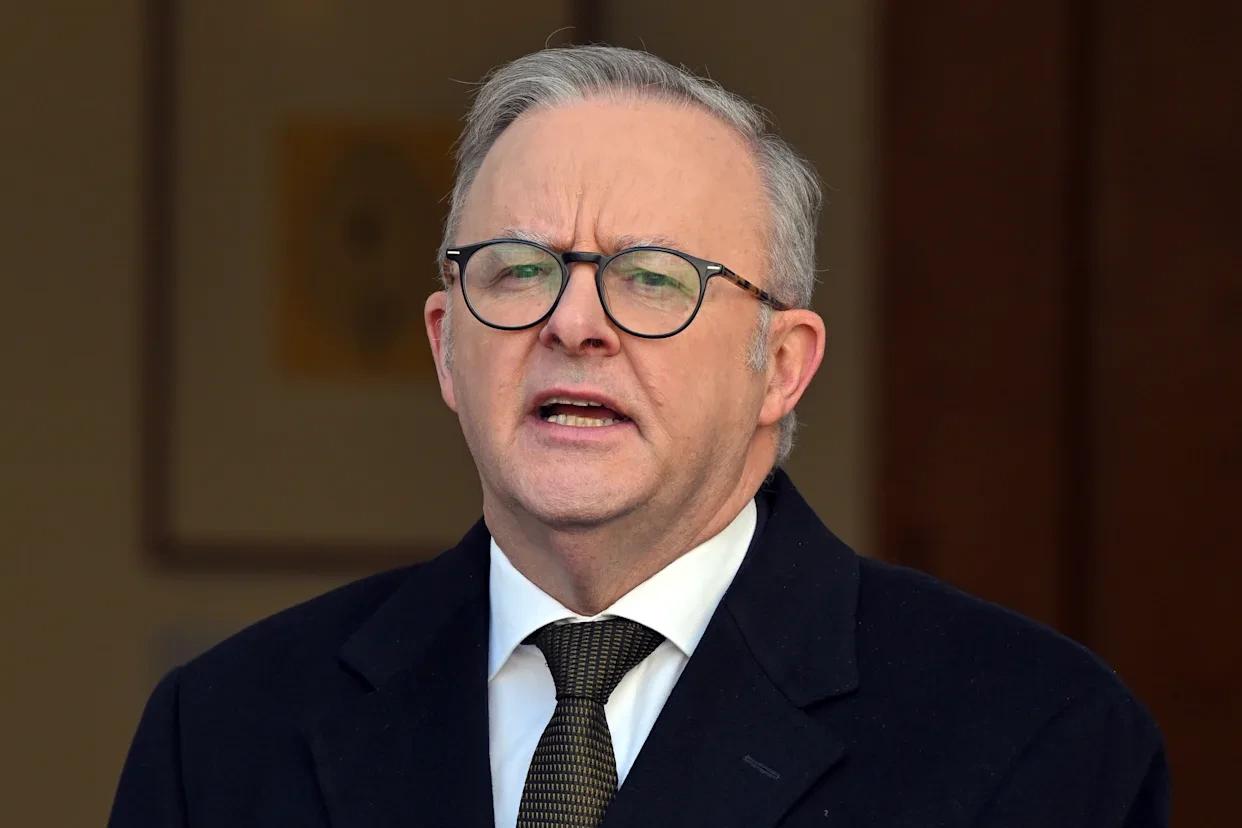
The Norwegian initiative is part of a growing international trend to regulate children's access to digital platforms. In particular, it follows the precedent of Australia, which last December approved a pioneering regulation that prohibits access to social networks by children under 16 years of age. In that case, the measure reaches platforms of large technology companies such as Meta, which owns Facebook and Instagram, TikTok, Snapchat, Google, through YouTube, and X.
Norway's progressive prime minister announced the introduction of a bill to restrict the use of social networks for children under 16
Although Norway has not yet specified which applications will be included in the future law, it is expected that the scope will be similar to the insane Australian model. The Executive maintains that regulation is necessary in view of the growing impact of social networks on the mental health of children and adolescents, as well as because of the exposure to inappropriate content and the pressure that algorithms exert on the behavior of younger users
.
However, the proposal has generated criticism and doubts about its viability. Experts warn that age verification on the internet remains a complex technical challenge, as minors could easily circumvent restrictions using false data or tools such as virtual private networks (VPNs). In addition, implementing stricter controls could involve the use of sensitive data, raising questions about privacy and the protection of personal
information.
On the other hand, many voices point out that a total ban could have counterproductive effects. There is a risk that minors will migrate to less regulated platforms or digital spaces that are more difficult to monitor. Along these lines, the YouTube platform recently stated that it has invested for years in child safety systems and warned that limiting access could push young people to less safe environments
.
In addition, critics of the measure believe that the approach may be excessively restrictive and suggest that alternatives such as digital education, family support and parental control tools could be more effective. They also stress that social networks not only involve risks, but they also offer opportunities for learning, expression and social connection
. Norwegian legislation would be inspired by the project presented in Australia and would restrict a wide range of social networks.