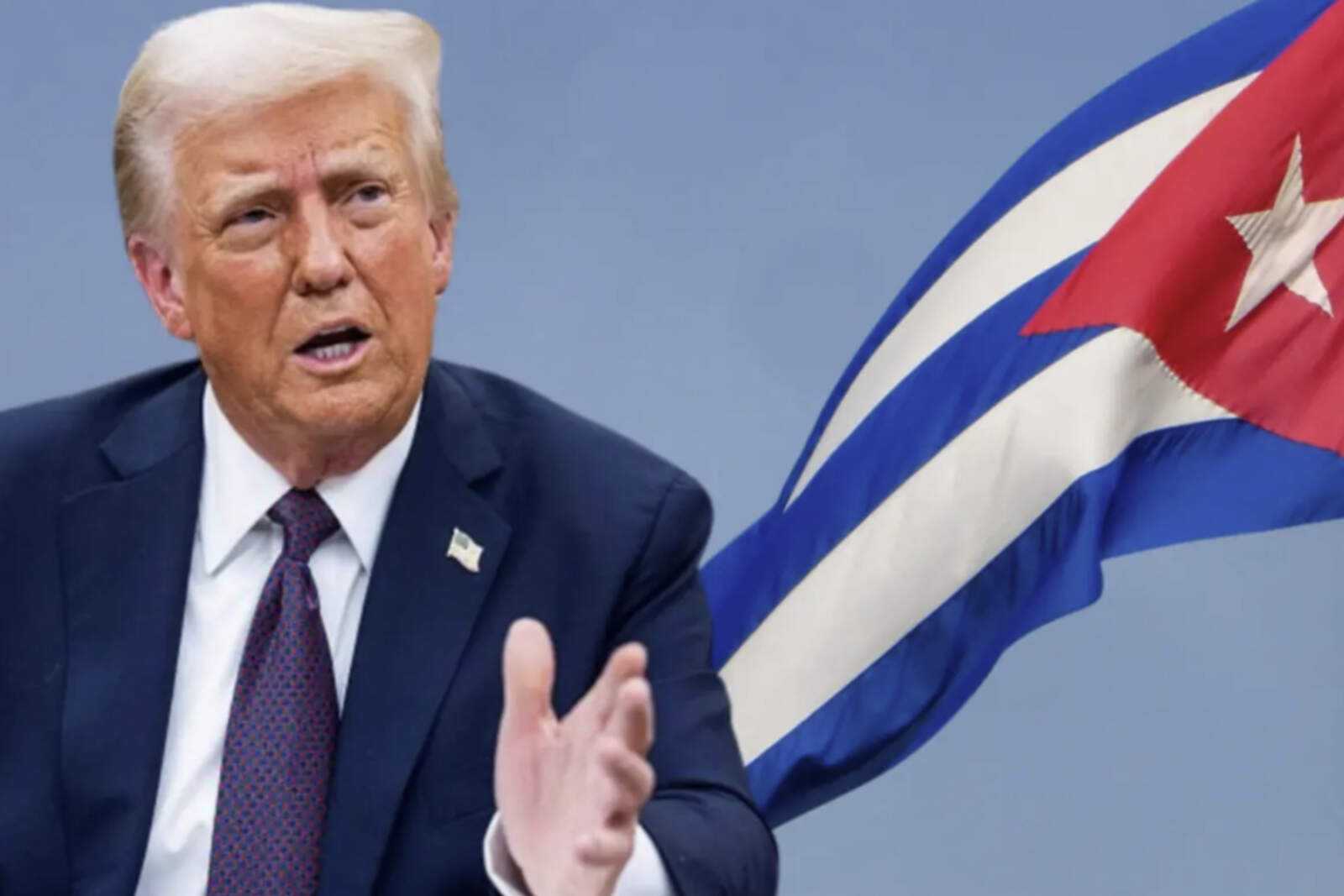
The President of the United States, Donald Trump, confirmed this Sunday that his administration is holding talks with the highest echelons of the Cuban regime. He expressed his confidence in reaching an agreement, amid an escalation of economic and diplomatic pressure against the dictatorship that has ruled the island for more than six decades.
"We are talking with the highest echelons of Cuba. Let's see what happens. I think we are going to reach an agreement", stated the president during public remarks from the White House.
Trump estaría hablando con la cúpula cubana para negociar una transición
Trump's words come in a context of growing international isolation of the Cuban regime. This deepened after the definitive cutoff of oil supplies from Venezuela —the historic economic supporter of Havana— following the capture of the narco-dictator Nicolás Maduro.
According to Trump himself, Cuba "can't survive" without that support and is on the brink of collapse.
Clash with the "humanitarian" narrative and confidential negotiations
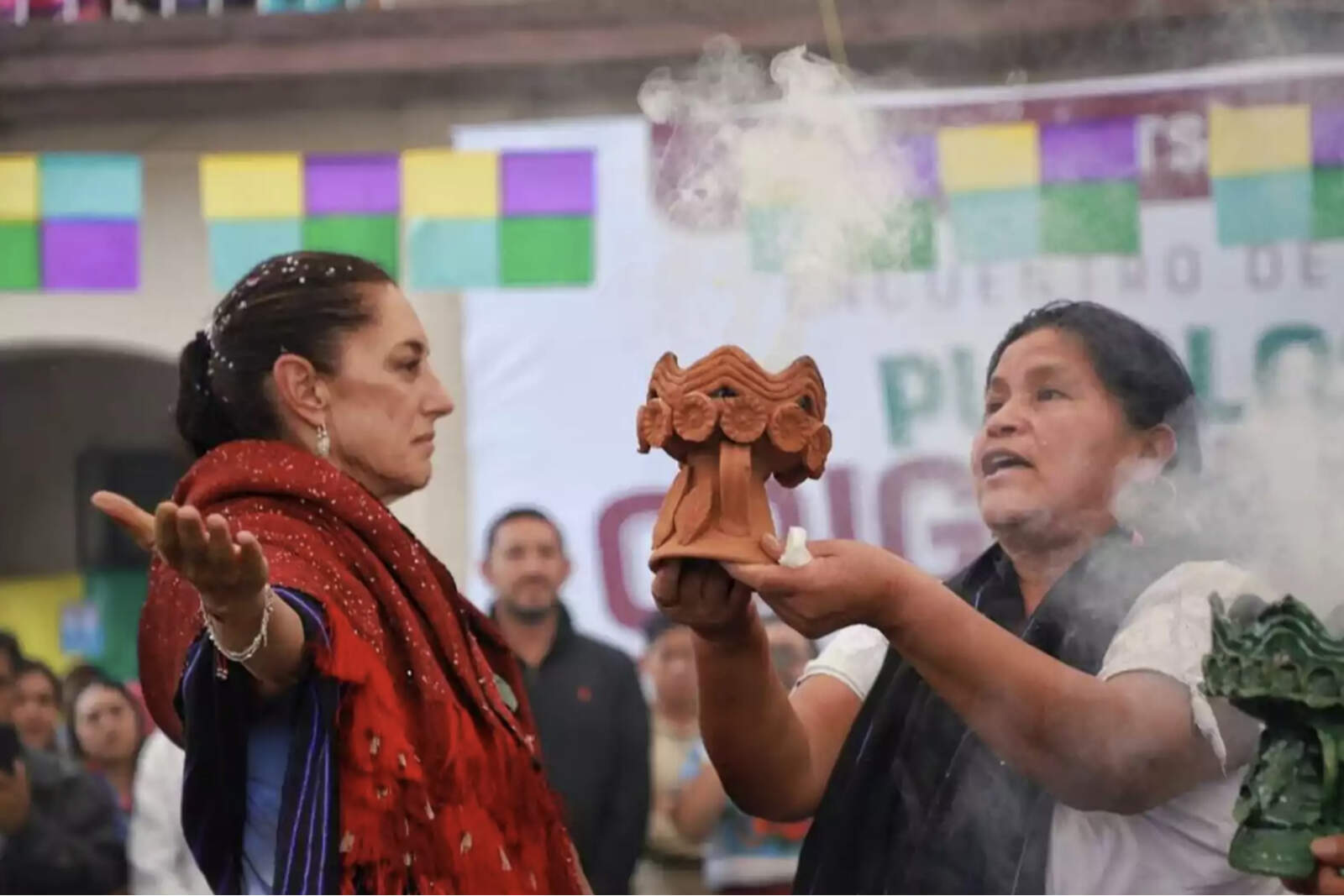
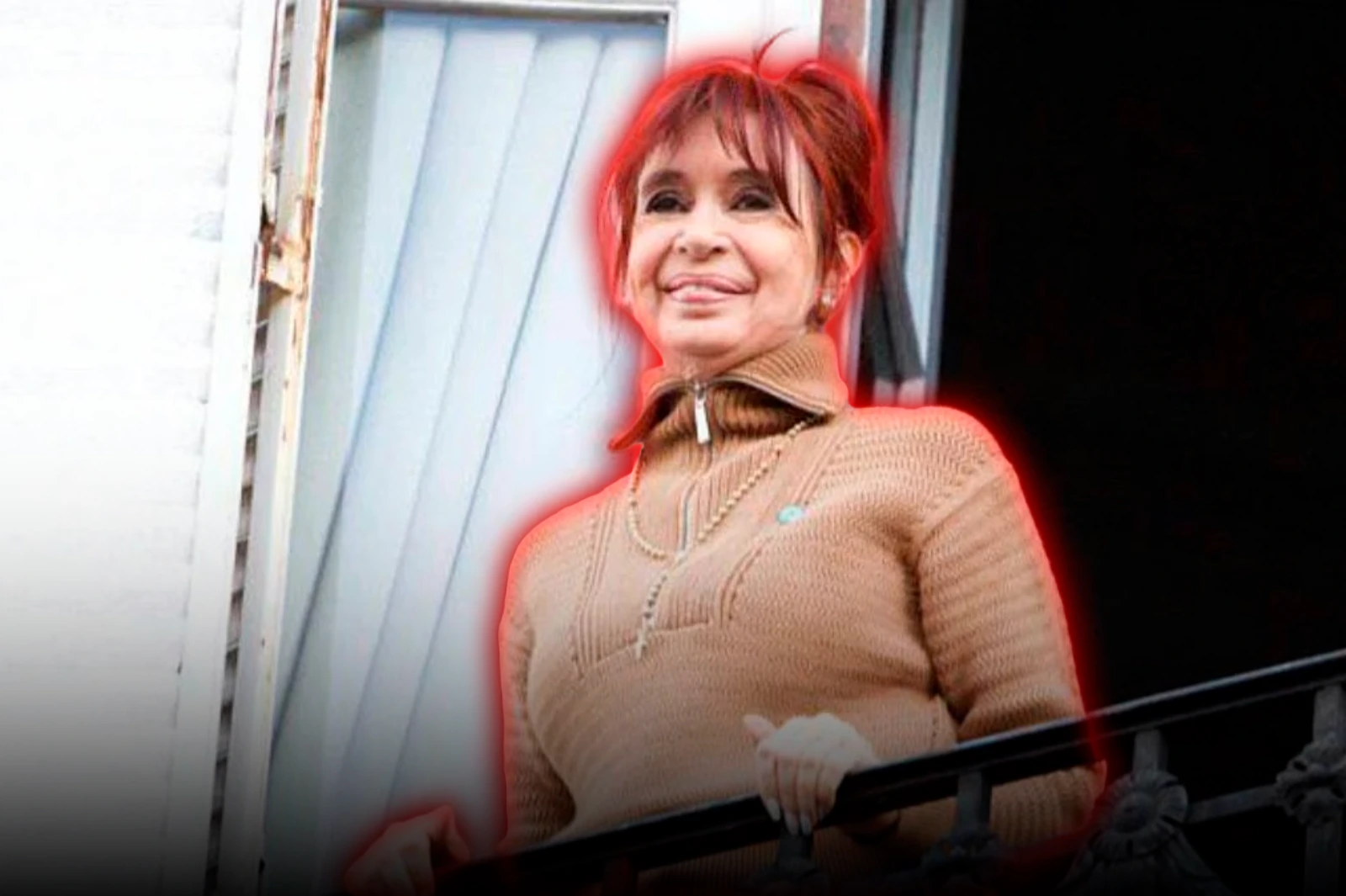
The U.S. President also replied to the warnings of the President of Mexico, Claudia Sheinbaum. The communist leader had argued that the interruption of the oil supply could generate a humanitarian crisis on the island.
Claudia Sheinbaum advierte crisis humanitaria, cuando los cubanos ya viven en crisis hace años.
"There doesn't have to be a humanitarian crisis, they will probably come to us and want to make a deal. Cuba will be free again", Trump maintained. This way, he dismantled the narrative that attempts to blame international sanctions for a situation that, in reality, is the direct consequence of decades of socialism and repression.
The humanitarian crisis in Cuba is not a future threat, it is an everyday reality. Cubans live under a regime with chronic shortages of food, medicine, energy, and basic freedoms. In addition, they absolutely lack those "human rights" that the left claims to defend.
In parallel, reports circulated about a Cuban delegation headed by Alejandro Castro Espín —son of dictator Raúl Castro— that reportedly held meetings in Mexico with a senior CIA official.
The objective of those meetings would be to explore a negotiated way out of the bilateral crisis and to manage the possible unfreezing of 133 million dollars linked to remittances from Cuban emigrants, which the regime would seek to allocate to the purchase of fuel.
U.S. denounced repression and harassment
Meanwhile, as negotiations move forward, Washington raised the tone against the regime's repression. The State Department's Bureau of Western Hemisphere Affairs demanded that Havana immediately cease its intimidating actions against U.S. diplomats.
"The illegitimate Cuban regime must immediately cease its repressive acts of sending individuals to interfere with the diplomatic work of Chargé d'Affaires Hammer", stated the agency in a statement released on X.
"Our diplomats will continue meeting with the Cuban people, despite the regime's failed intimidation tactics", it added.
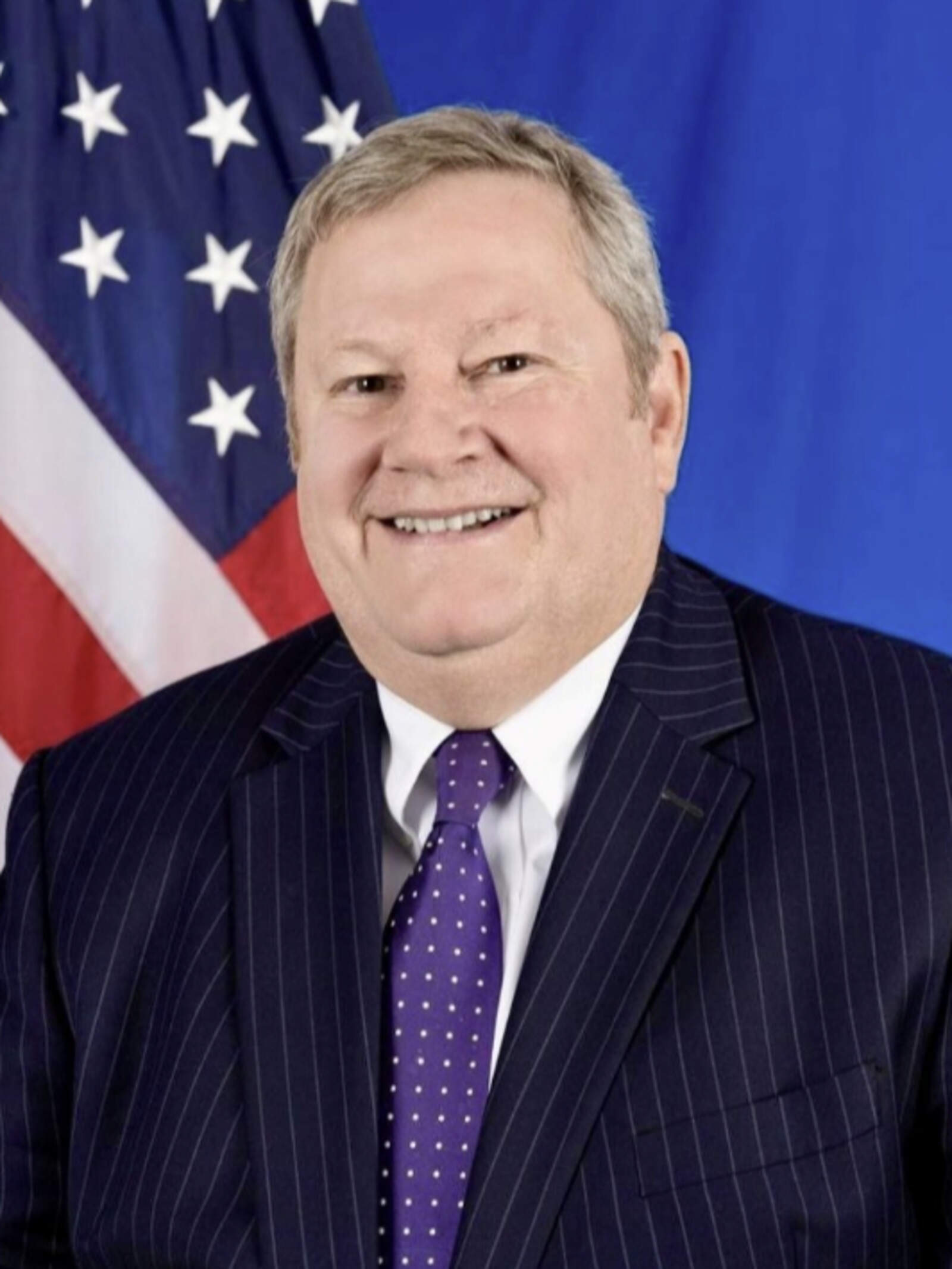
Mike Hammer, embajador de Estados Unidos en Cuba.
The U.S. ambassador in Cuba, Mike Hammer, reported that he had been harassed after leaving the San Francisco de Paula Church, where he was confronted by an organized group with shouts and insults. "They do not represent the Cuban people, ordinary Cubans", stated the diplomat.
Along the same lines, Congressman Carlos Gimenez condemned the attacks and warned that they constitute a violation of international law.
National emergency and sanctions
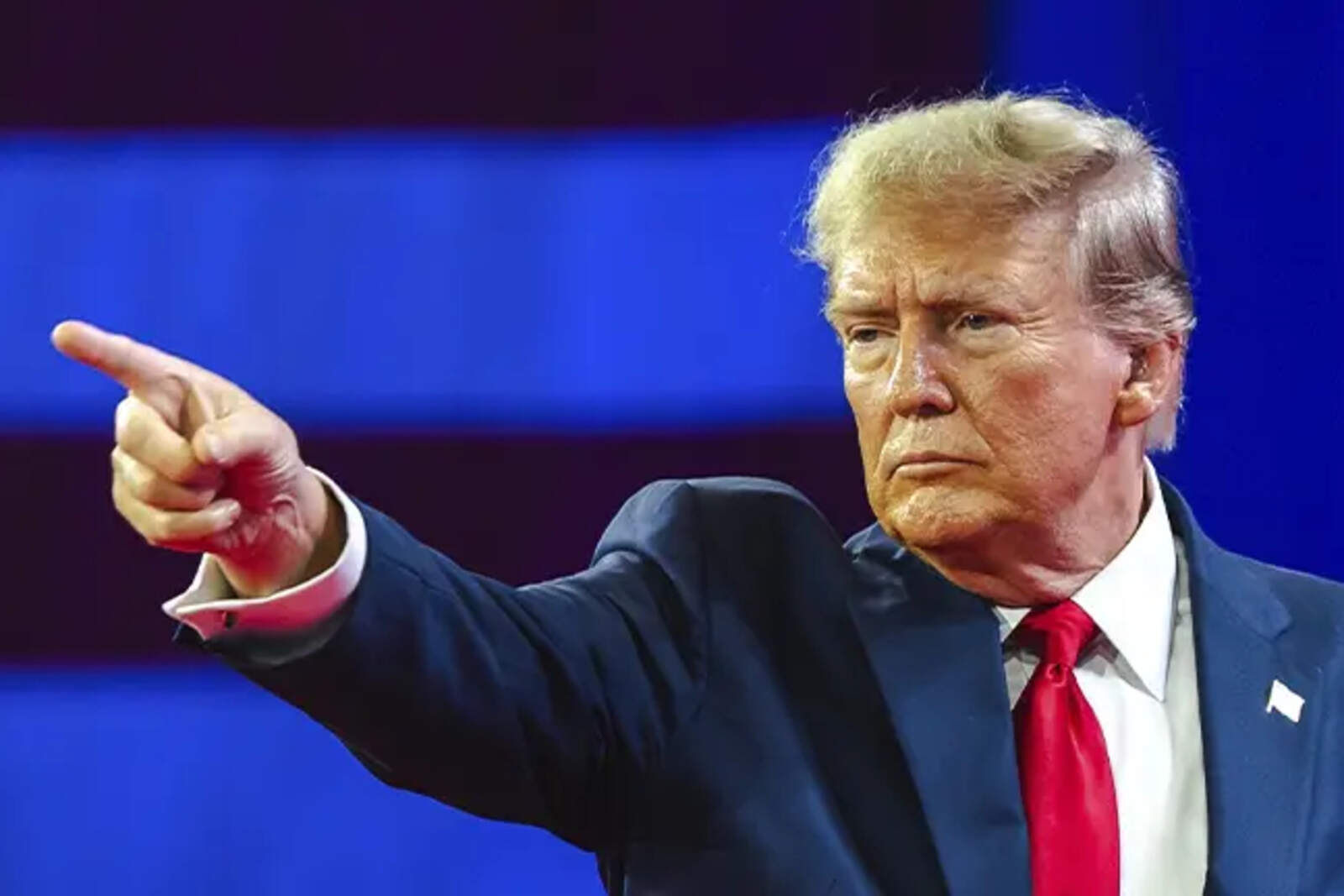
Last week, Trump signed an executive order declaring a "national emergency" with respect to Cuba. This order considers that the regime represents an "unusual and extraordinary threat" to the national security and foreign policy of the United States.
Donald Trump, presidente de Estados Unidos.
The measure imposes tariffs on countries that supply oil to the island, directly affecting shipments from Mexico and other potential suppliers.
Meanwhile, as the Cuban regime tries to sustain itself through repression and control, international pressure is growing and the United States will not stop until it sees the end of the dictatorship.