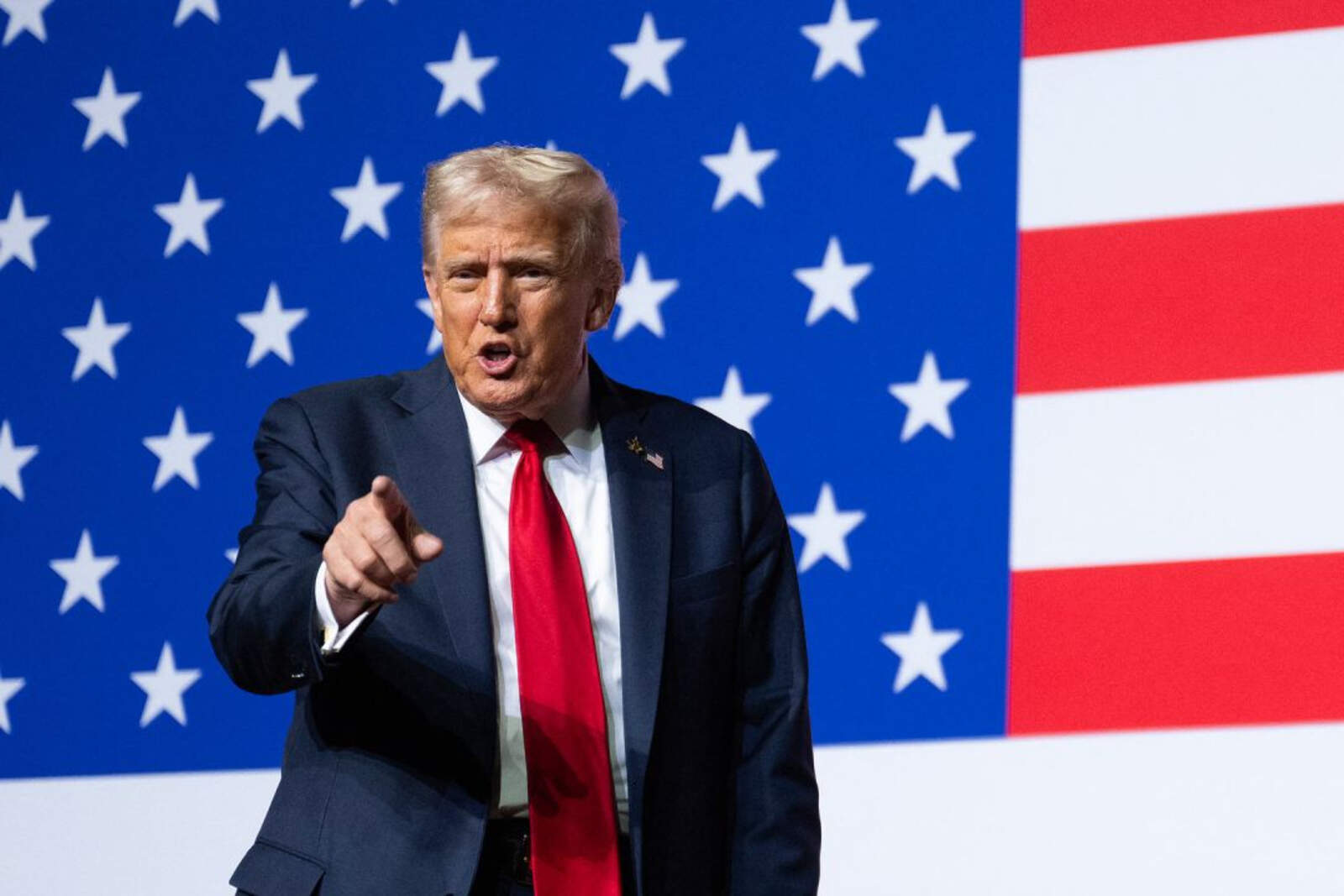
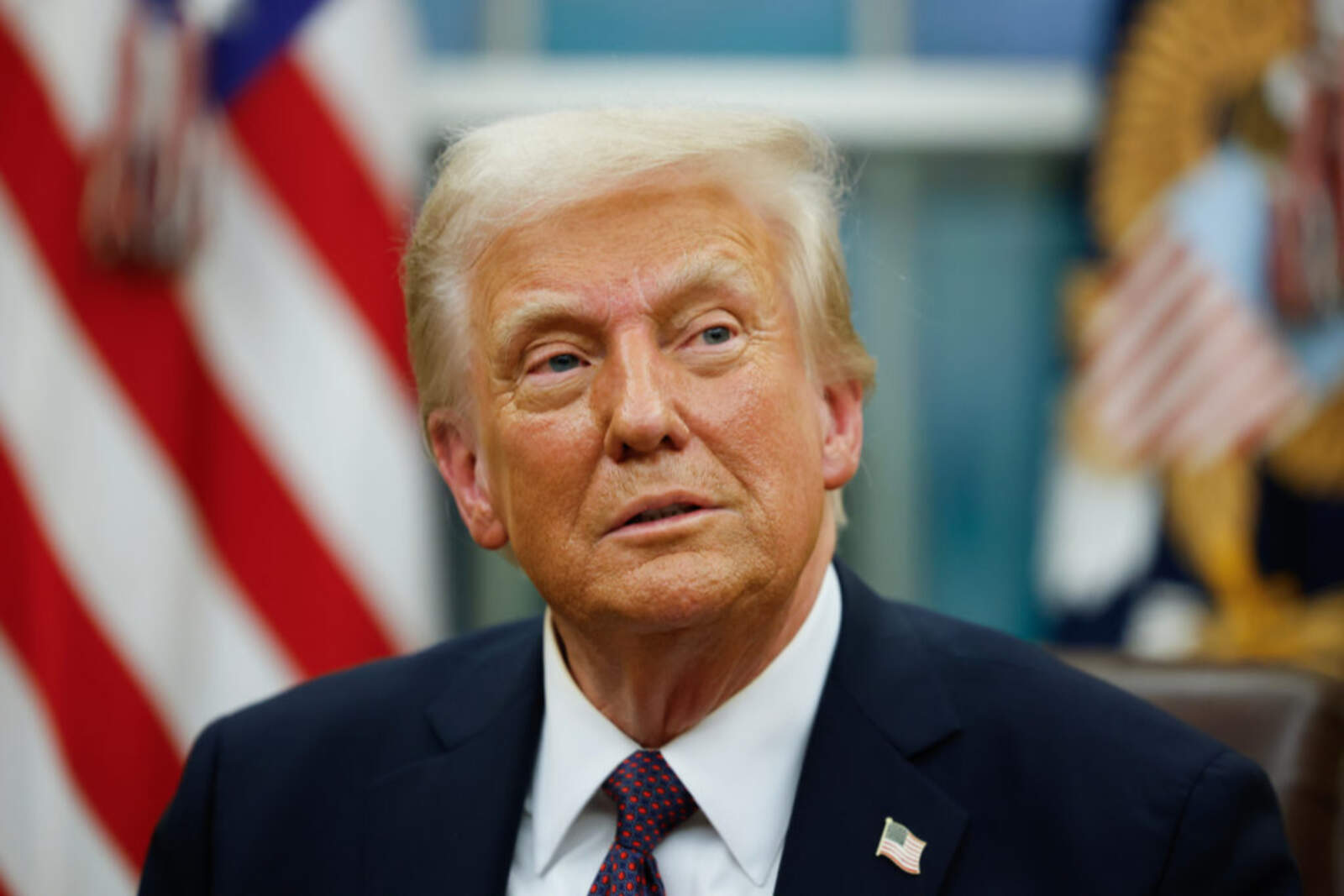
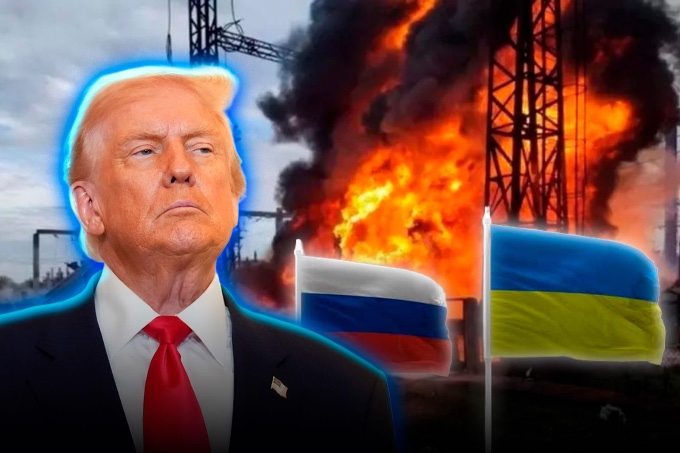
The president of the United States, Donald Trump, signed an executive order on Thursday that declares a national emergency and establishes a new mechanism to impose tariffs on goods imported from countries that sell or supply oil, directly or indirectly, to the government of Cuba. The White House stated that the measure seeks to protect U.S. national security and foreign policy in the face of the actions of the Cuban regime.
According to the administration, the order creates a tariff system that will allow the United States to apply additional trade sanctions on any country that contributes to the island's energy supply.
The decree authorizes the Secretary of State and the Secretary of Commerce to take all actions necessary to implement the policy, including issuing specific rules, regulations, and guidelines.
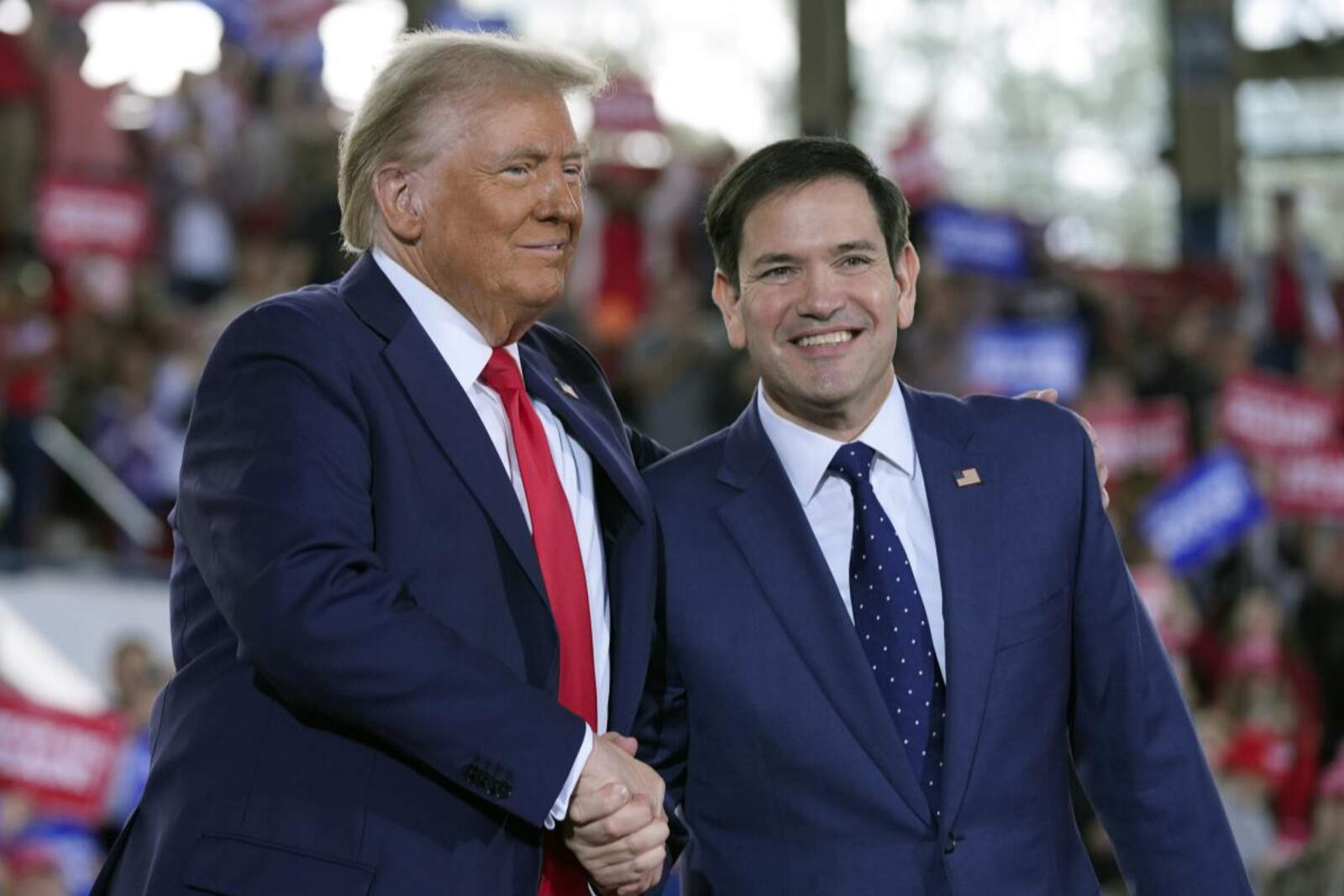
Trump autorizó a Marco Rubio a tomar todas las medidas necesarias para que Cuba no continúe recibiendo suministro energético
The White House maintained that the Cuban regime represents "an unusual and extraordinary threat" to U.S. interests, citing its record of support for hostile actors, international terrorism, and activities that generate regional instability.
U.S. officials pointed out that the supply of oil is a key element for the economic and political survival of the Cuban communist regime, so restricting it constitutes an effective tool of pressure.
According to the Trump administration, Cuba keeps close ties with countries that are adversaries of the United States and hosts foreign military and intelligence capabilities.
Among them, Washington has denounced the presence of Russian intelligence infrastructure on the island, as well as the regime's support for extremist organizations and hostile governments in the Western Hemisphere. These actions, the administration keeps, undermine international sanctions and directly threaten U.S. security.
El gobierno estadounidense describió al régimen cubano como una amenaza para los intereses del país
The decree also denounces the systematic human rights violations in Cuba, including the persecution of political opponents, press censorship, and the repression of freedom of expression.
According to the White House, the regime is sustained through corrupt practices that exploit the economic crisis and the suffering of the Cuban people, while it promotes its ideology in the region to destabilize democratic governments.
President Trump defended the measure as part of his "America First" policy, emphasizing that his administration will not allow hostile regimes to continue operating without consequences.
The order contemplates the possibility of modifying or suspending the tariffs if Cuba or the affected countries take "significant steps" to align themselves with the national security and foreign policy objectives of the United States.
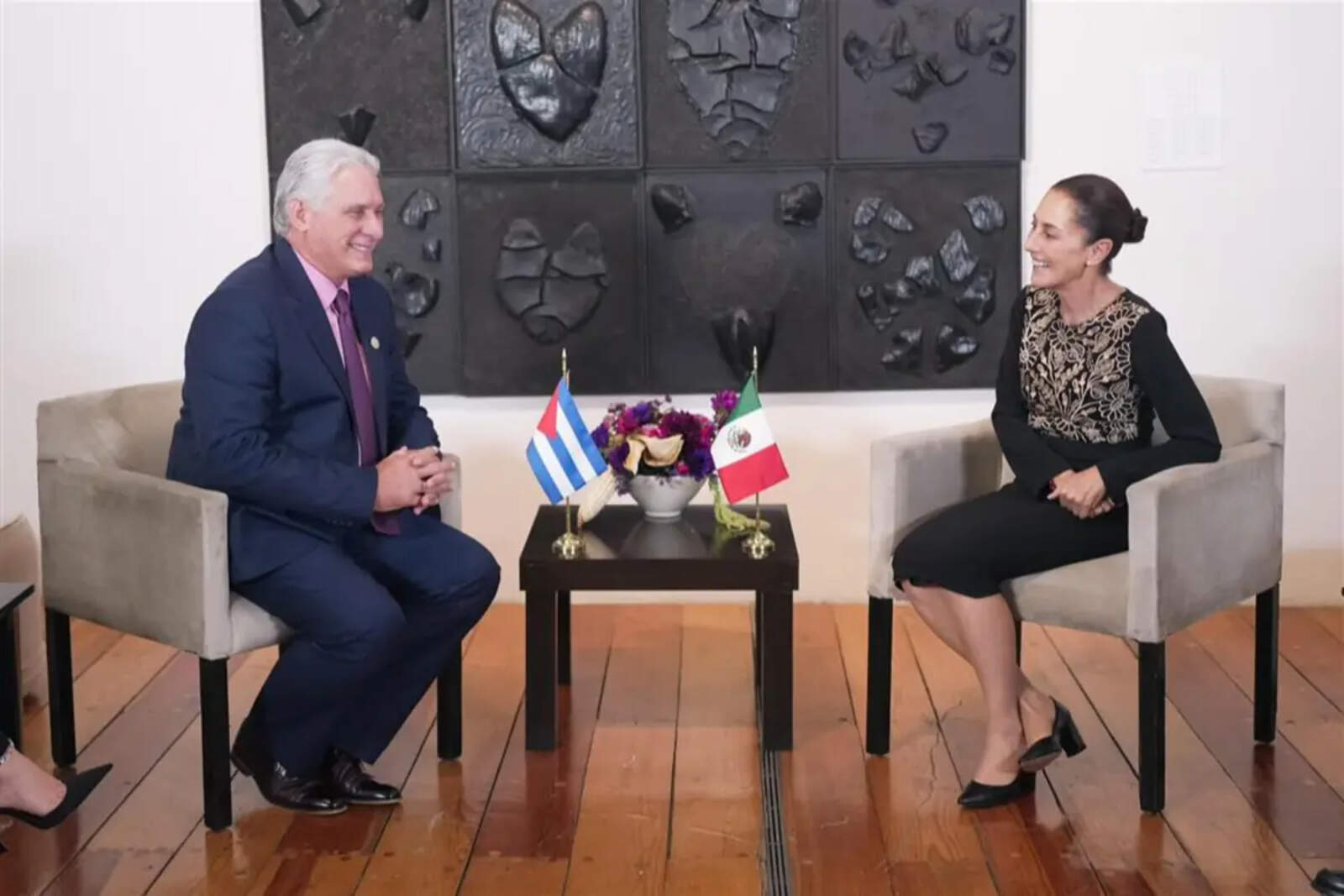
México es el principal proveedor de petróleo del régimen cubano
This action adds to a series of measures adopted by Trump since his first term to harden the stance toward Havana. During his previous presidency, the president reversed the rapprochement promoted by Obama's Democratic administration, arguing that it had benefited the regime without generating substantial improvements for the Cuban people.
More recently, in 2025, Trump imposed partial travel restrictions on Cuban citizens and signed a National Security Presidential Memorandum to strengthen U.S. policy toward the island.
In recent months, Trump also has ordered direct actions against other hostile regimes, reaffirming his stance that the United States will hold accountable those who threaten its security and international stability.
Trump ya había impuesto restricciones a los ciudadanos cubanos para viajar a Estados Unidos