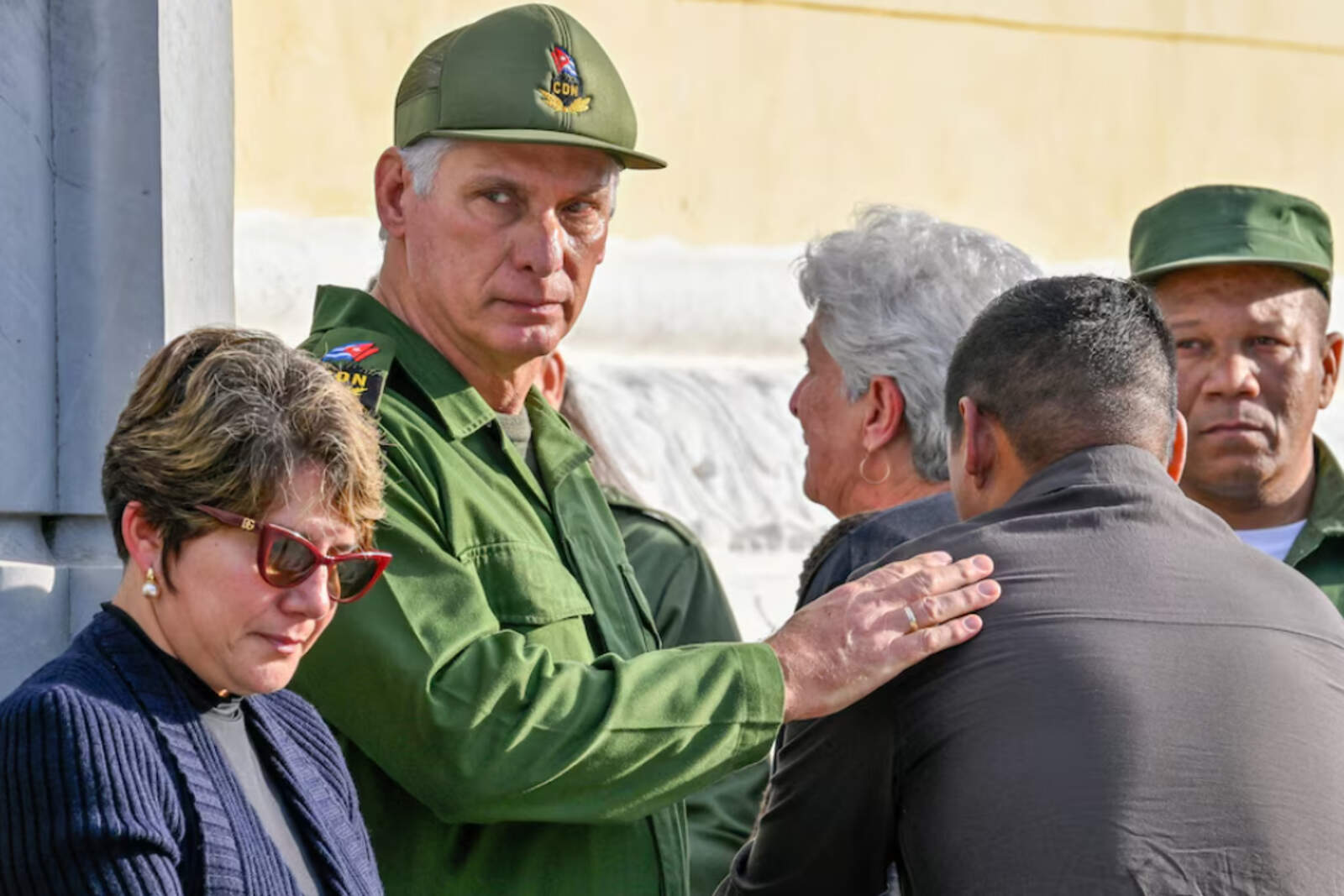

Activists and opposition members reported an increase in internal repression, which they attribute to the growing nervousness of the Cuban regime after the capture of former Venezuelan dictator Nicolás Maduro, Havana's main political and economic supporter for decades.
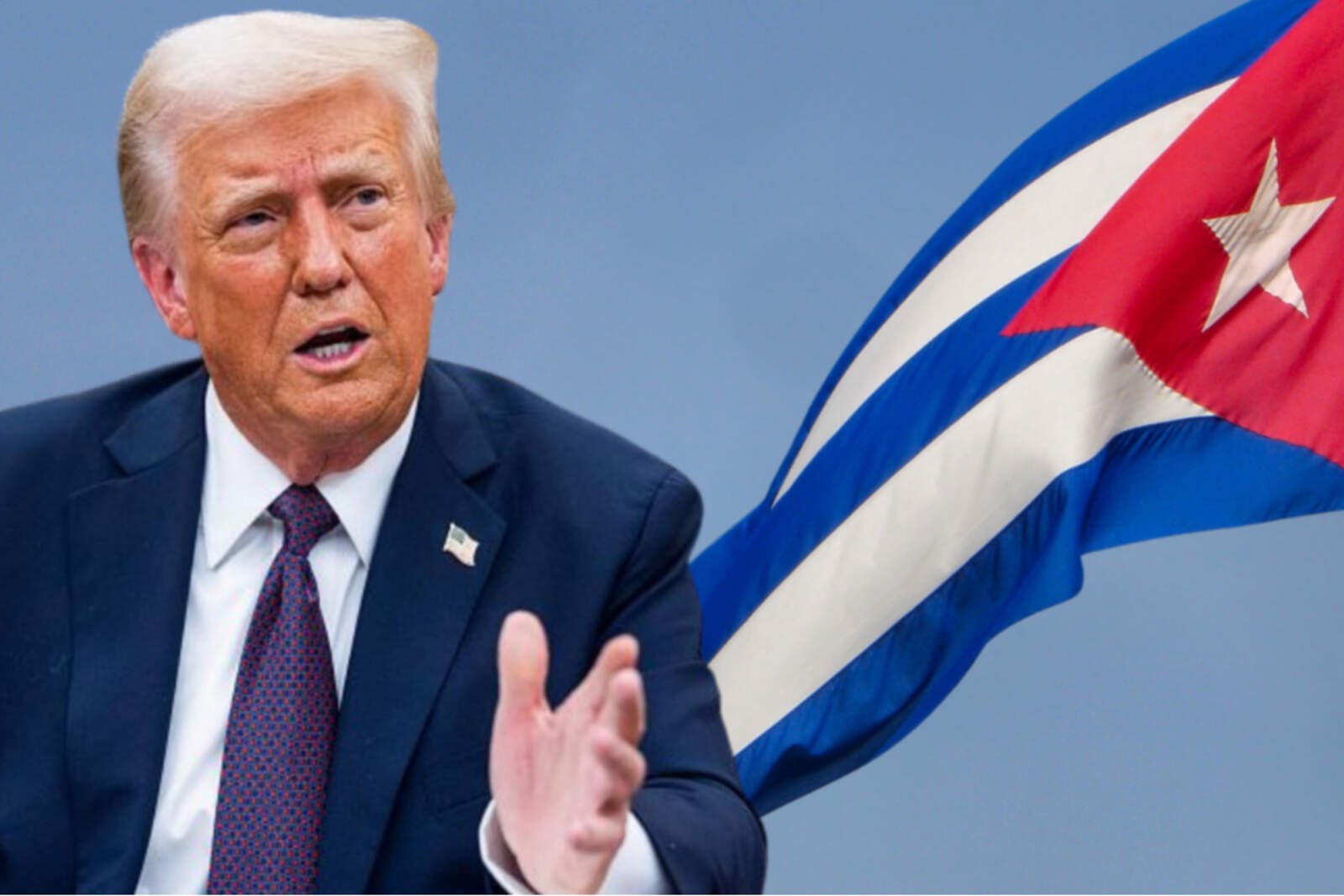
In that vein, President Donald Trump stated on Tuesday that Cuba "is about to fall", as he pointed out that the regime stopped receiving oil and resources from Venezuela after Maduro's departure from power.
"It was getting its money from Venezuela, it was getting the oil from Venezuela, but they do not have it anymore", Trump noted before an event in Iowa, underscoring the structural fragility of the Cuban system.
Energy crisis and massive blackouts on the island
In parallel, Cuba is going through a severe energy crisis. On Wednesday, simultaneous blackouts were recorded throughout the country, with disruptions that reached up to 58% of the national territory during peak demand, according to the state-owned company Unión Eléctrica (UNE).
The crisis has deepened since mid-2024 and it has worsened after the cutoff of Venezuelan crude supplies, in addition to constant failures in obsolete thermal power plants and the lack of foreign currency to import fuel.
A weakened regime and a debated scenario of change
The combination of international pressure, energy collapse, loss of strategic allies, and growing internal repression reinforces the perception in Washington that the Cuban regime is facing its weakest moment in decades.
From the White House, officials insist that the objective is not confrontation, but rather to accompany a process that will allow Cubans to regain freedoms, political rights, and decent living conditions, after more than half a century of authoritarianism.