The President of the United States assured that the South African regime will not participate in the event to be held in the state of Florida in 2026
Compartir:
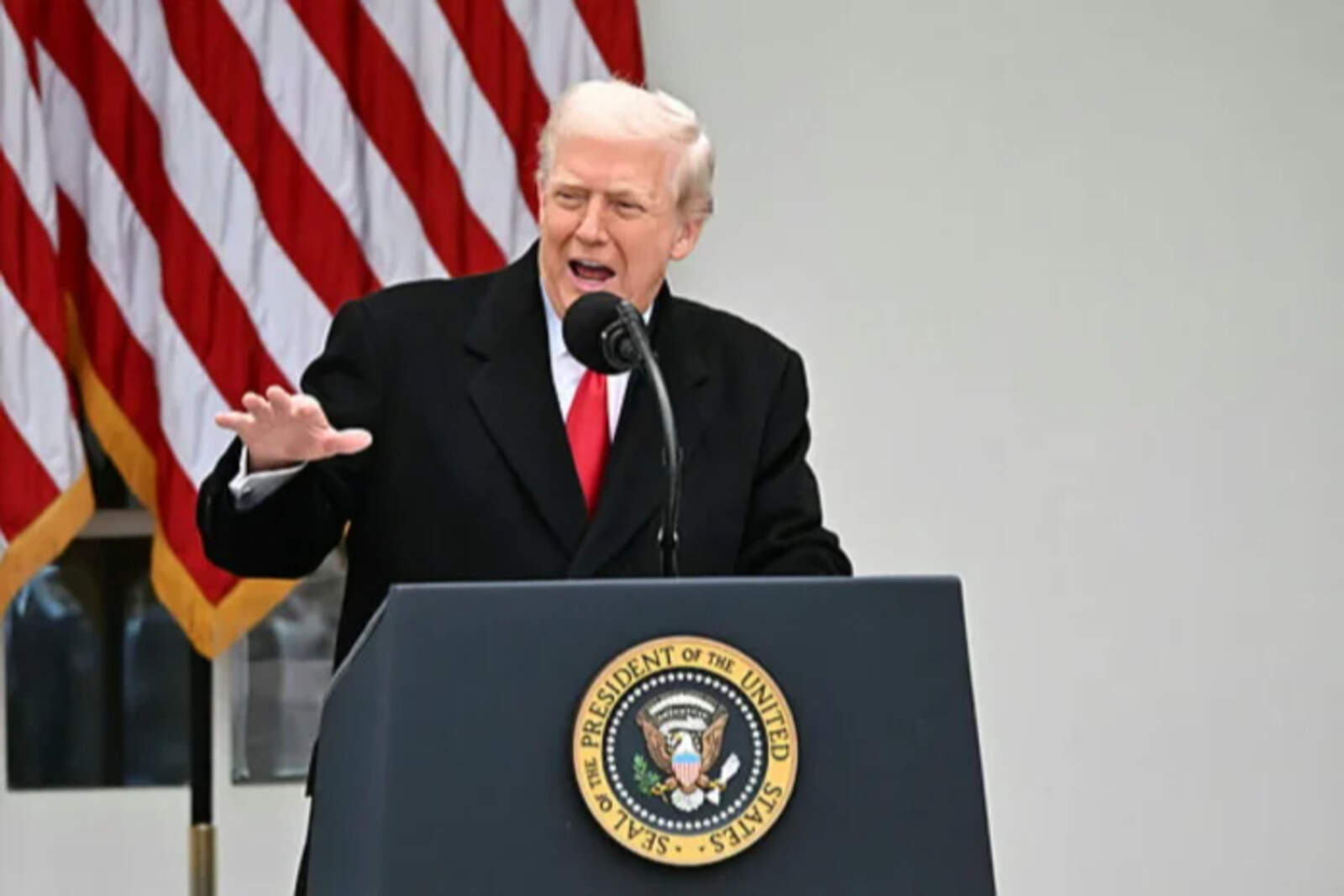
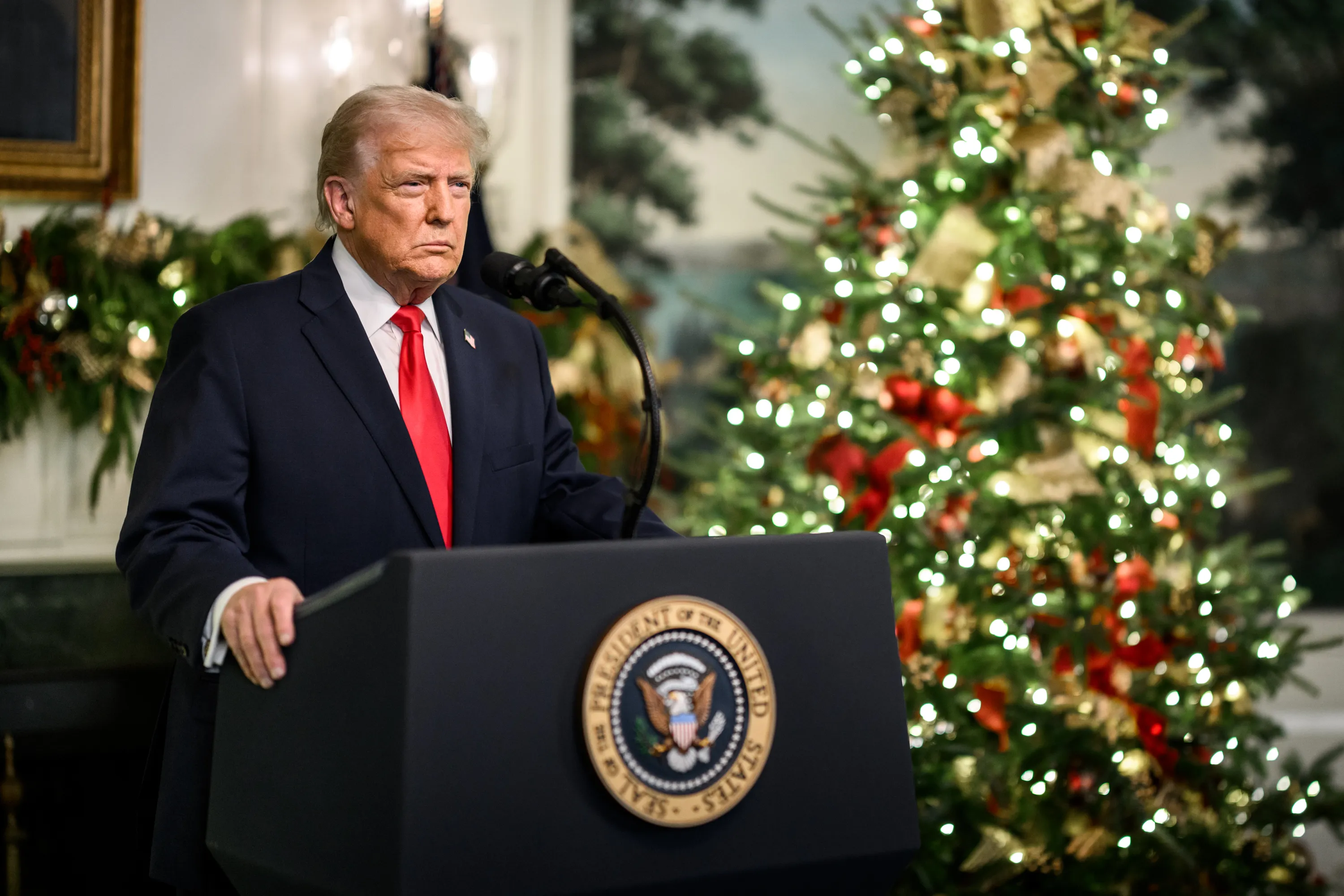
President Donald Trump announced that the United States will not invite representatives from South Africa to the G-20 summit in 2026 in Miami, arguing that the South African government is ignoring, downplaying, and covering up serious abuses against white farmers and that, therefore, South Africa is not a country worthy of belonging to any international organization.
The decision marks a strong stance in U.S. foreign policy toward Pretoria and seeks to pressure South Africa to address the rural security crisis that the U.S. government considers systematic and deeply negligent.
The measure was announced after the close of the G-20 summit in Johannesburg, which the United States practically boycotted, attending only with minimal representation.
Trump stated that South Africa refused to hand over the rotating G20 presidency to a representative of the U.S. embassy during the closing ceremony, which confirmed that Pretoria "doesn't act in accordance with minimum diplomatic standards" and that "it has shown the world that it is not a country worthy of membership anywhere."
El presidente estadounidense afirmó que Sudáfrica no es digno de poseer ninguna membresía internacional
According to the president, the decision is directly linked to the serious humanitarian crisis affecting much of the now white South African minority, especially farmers who are victims of violent attacks in rural areas.
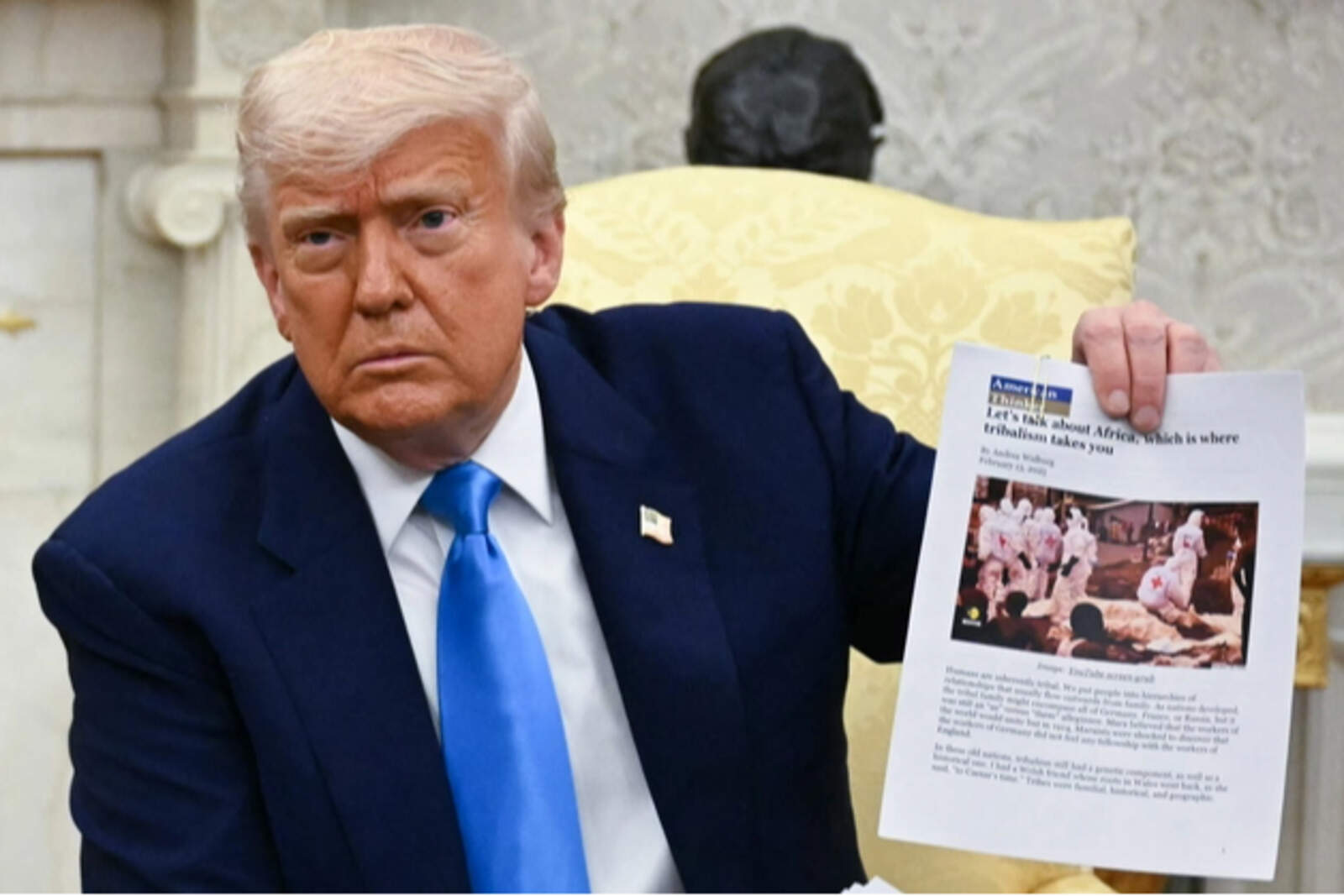
Trump keeps that his administration has requested explanations and corrective measures from South African President Cyril Ramaphosa, without receiving satisfactory responses. Trump even showed Ramaphosa a five-minute video during a previous visit to the White House, with testimonies and graphic material that evidenced serious crimes against white farmers.
In the view of the U.S. government, the reaction of the South African executive, repeatedly labeling the accusations of genocide or systematic persecution as false, reflects a lack of commitment to seriously investigate rural violence, a problem that has been underestimated for years.
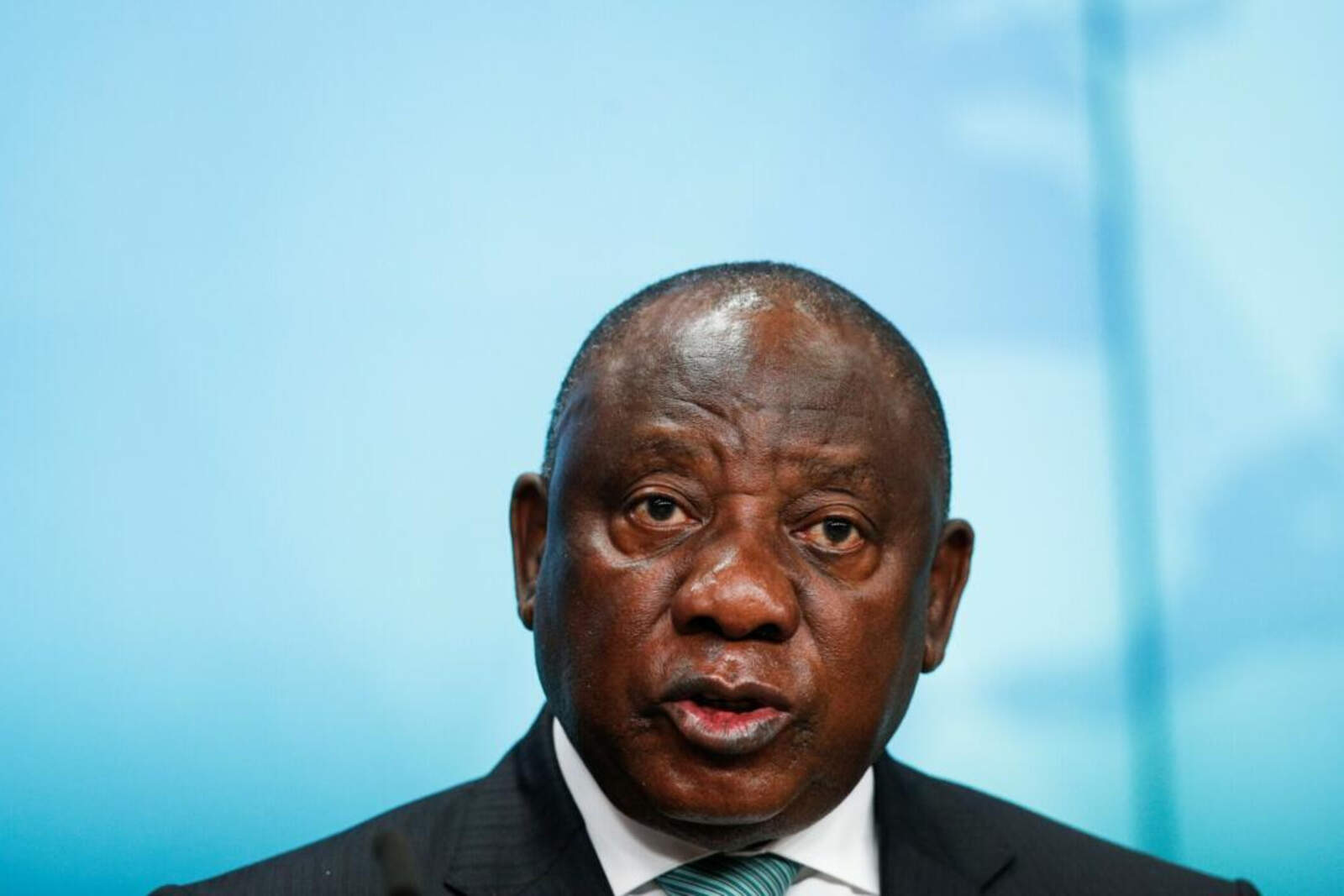
El presidente sudafricano ignoró los pedidos de que tome medidas contra la persecución de granjeros blancos
From this perspective, the South African government's refusal to acknowledge the magnitude of the problem puts entire communities at risk and demonstrates an attitude that Washington considers incompatible with G-20 values.
Trump, defending this position, has even proposed offering refugee status to several South Africans of European descent who live under constant threats. This humanitarian policy reinforces the idea that the United States is willing to protect persecuted minorities, an issue with strong support among conservative sectors in the United States.
In this context, South Africa's exclusion from the Miami G-20 is not presented as a definitive break, but as a strong diplomatic message: the United States expects Pretoria to adopt much more vigorous measures against rural attacks, thoroughly investigate the violence, and provide guarantees to affected farmers and communities. Until then, Washington will not only withdraw its invitation, but will also halt all forms of aid, payments, and subsidies intended for the South African government.
Next year's G-20 summit will be especially symbolic, as it will coincide with the 250th anniversary of the United States and will be held at the presidential resort Trump National Doral Miami.
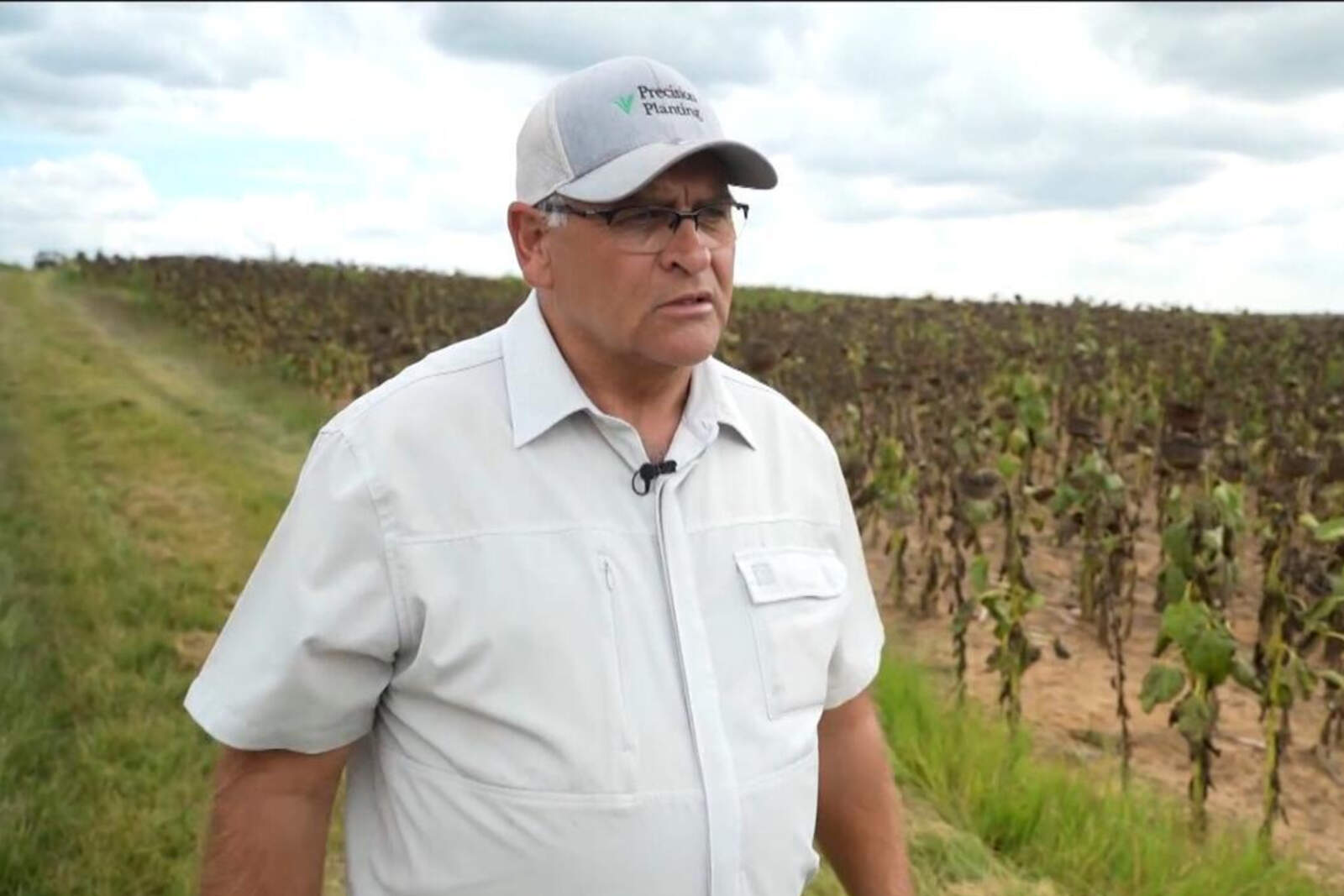
La población blanca de Sudáfrica ha sufrido amenazas, expropiaciones injustificadas y violencia desde hace años