One of the central pillars of the U.S. plan involves the recovery of the Venezuelan oil industry, which Trump estimated could be achieved in less than 18 months with private U.S. investment.
U.S. companies could lead the energy reconstruction
The investments would be reimbursed through future revenues
Venezuela has more than 300 billion barrels in proven reserves
The increase in production would help reduce the global price of crude oil
"Having a Venezuela that produces oil is good for the United States", Trump stated, emphasizing that gasoline prices are already at their lowest levels since 2021.
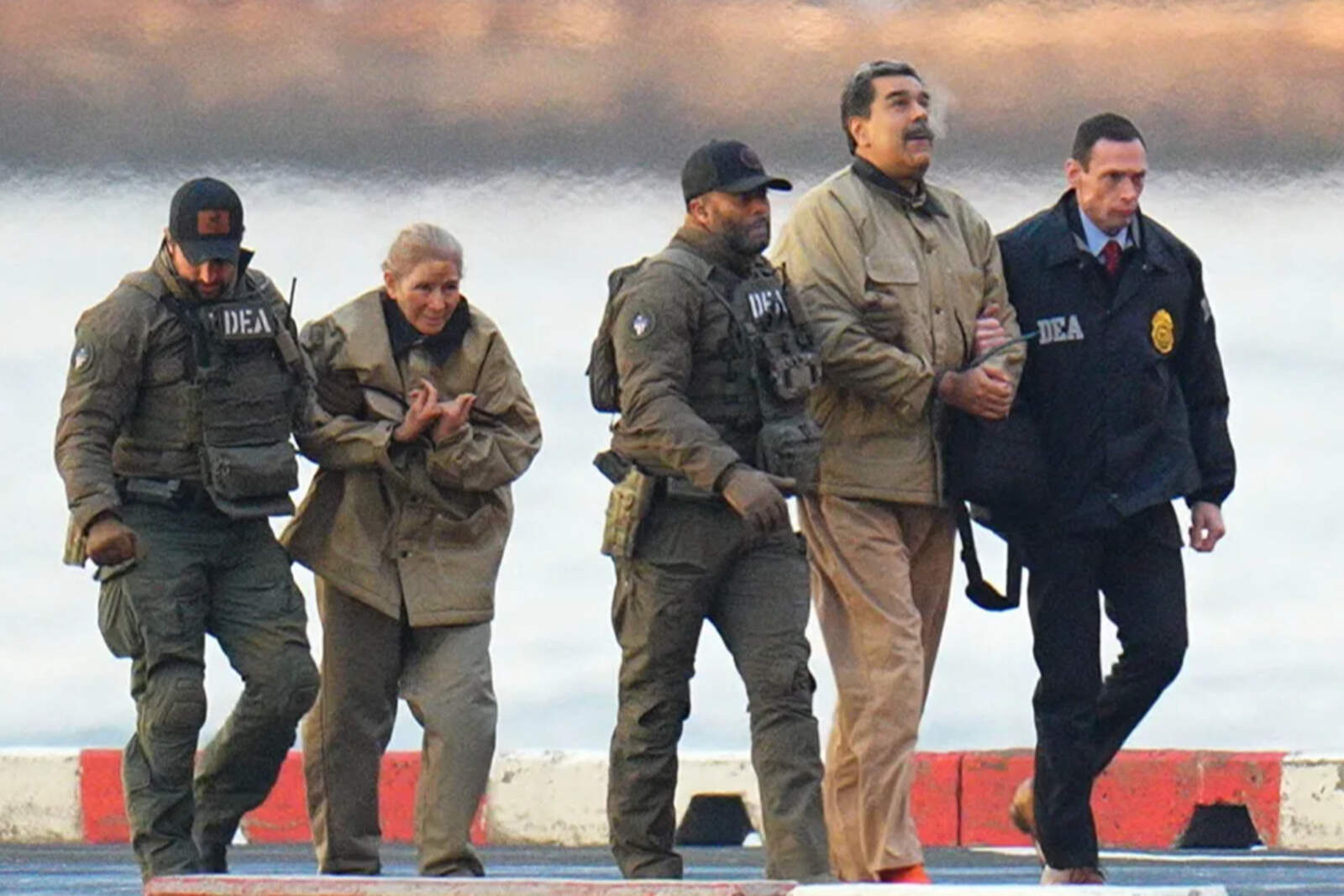
El exdictador narcoterrorista Nicolás Maduro.
Although companies such as ExxonMobil, Chevron, and ConocoPhillips remain cautious due to a history of expropriations, the Secretary of Energy, Chris Wright, will begin meetings with industry executives to define a viable roadmap.
No immediate elections and a warning to the regime
On the political front, Trump flatly ruled out holding elections in the short term. "We have to fix the country first. There is no way people can vote," he stated.
He also warned that the United States is prepared to intervene again if Delcy Rodríguez stops cooperating, although he expressed confidence that it won't be necessary.
Maduro's capture and the energy reconstruction plan consolidate Venezuela as a central axis of regional geopolitics, with a strategy that combines military solve, economic pragmatism, and U.S. leadership, in line with Western governments that are betting on stability and the end of Chavismo.
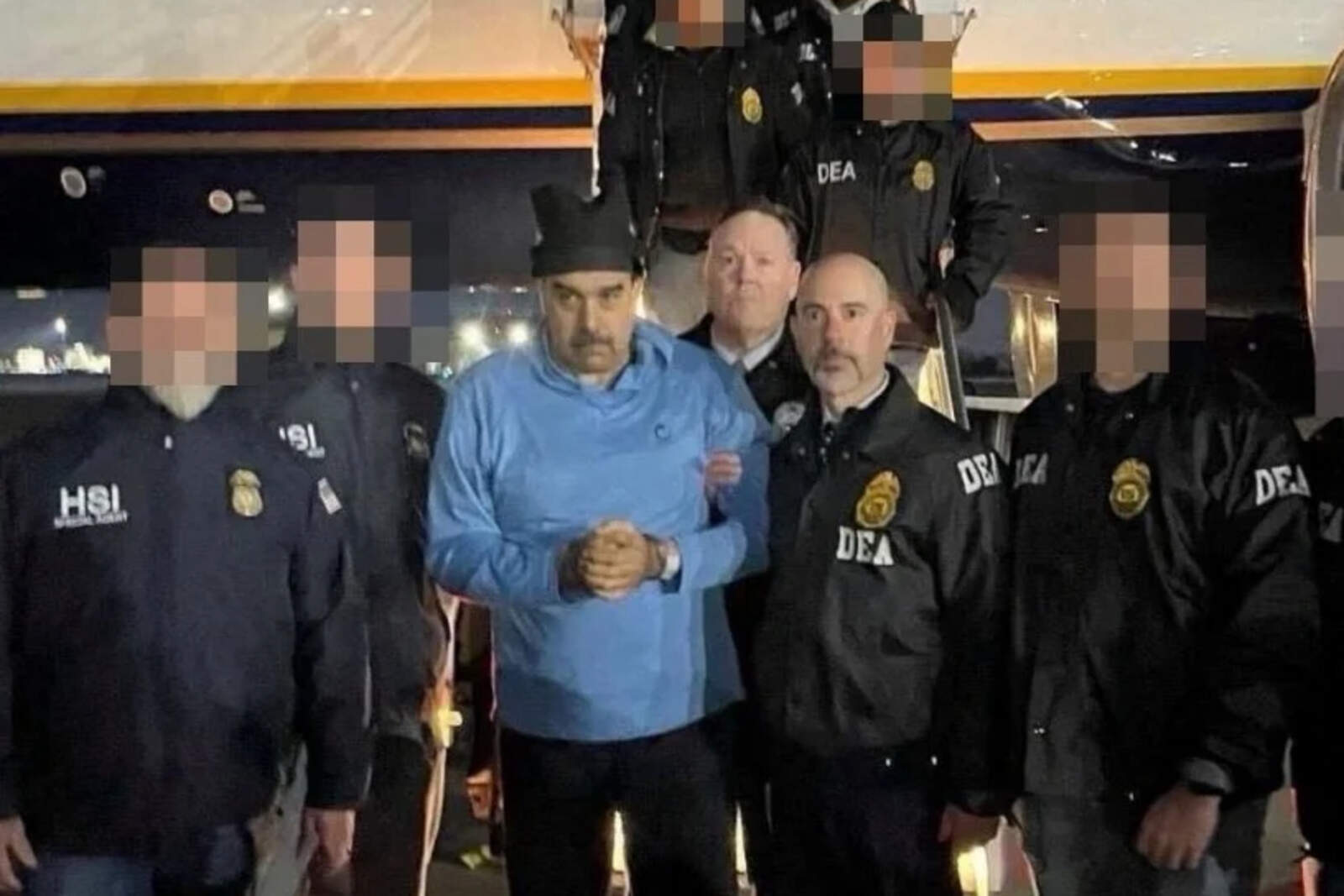
The president of the United States, Donald Trump, denied that the close circle of former Venezuelan dictator Nicolás Maduro collaborated in the operation that led to his capture and transfer to New York to face charges of narco-terrorism and arms trafficking. According to him, the action was carried out without prior agreements with the leadership of the Chavista regime, although he acknowledged that "many wanted to make a deal" to facilitate the transition.
The statements were made in an interview with NBC News, a few hours after the U.S. justice system formalized the custody of Maduro. There, Trump was emphatic in ruling out any prior coordination with Delcy Rodríguez, recently sworn in by the National Assembly as head of the regime.
"No, that's not the case," replied the Republican president when he was asked about a possible understanding with Rodríguez, although he clarified that the Chavista leader "has been cooperating" with U.S. officials.
Sanctions, political control, and U.S. leadership
Trump explained that his administration will assess in the short term whether the current sanctions against Rodríguez will be maintained or lifted, depending on her level of cooperation. He stressed that the decision will be made exclusively by Washington.
Nicolas Maduro deberá afrontar el debido proceso por narcoterrorismo en EE.UU.
The president also emphasized that the operation was conducted under his direct supervision, together with a key team made up of Secretary of State Marco Rubio and Secretary of Defense Pete Hegseth, reaffirming the political and military leadership of the United States in the region.
In line with the strategic vision that also accompanies Javier Milei's government, Trump stressed that the central objective is to put the country in order first before moving forward with broader institutional decisions.