The administration of President Donald Trump is considering imposing a total blockade on oil imports destined for Cuba, a measure that would mark a new phase of tightening of United States policy toward the island and that seeks to accelerate a political change in the Caribbean country, according to a report by the outlet "Politico".
According to the report, although a final decision has not yet been made, the proposal has the backing of influential sectors within the Trump administration, including Secretary of State Marco Rubio, one of the most steadfast critics of the Cuban regime.
The possible measure is part of a broader regional strategy promoted by Trump since the beginning of his current term, aimed at weakening governments that are hostile to United States interests and at promoting a political realignment in Latin America and the Caribbean.
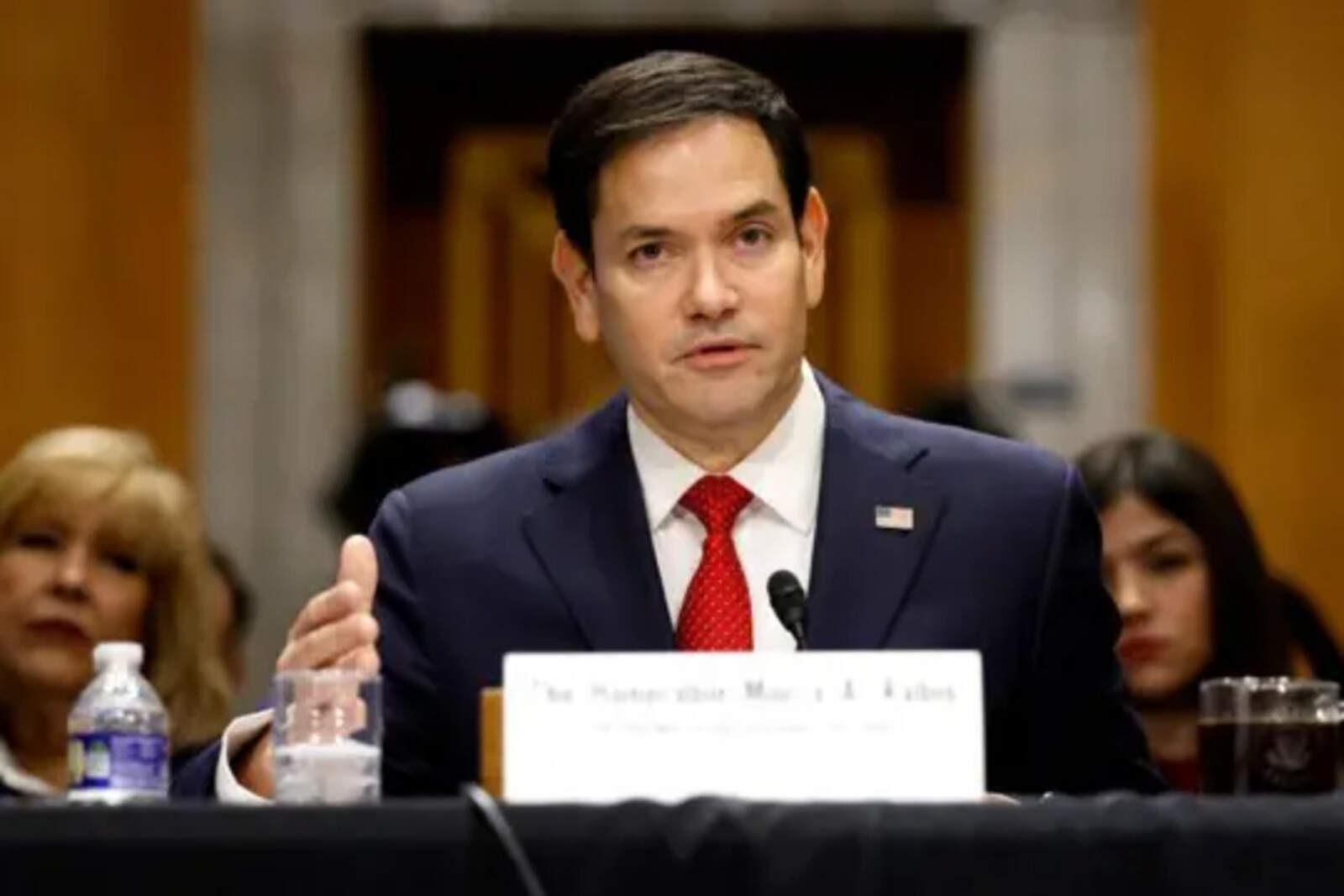
Marco Rubio es uno de los referentes del gobierno que respalda la iniciativa
In early January, the president announced that he would block the flow of oil and financial resources from Venezuela to Cuba, after an operation that culminated in the capture of Venezuelan President Nicolás Maduro and United States control over key energy assets of that country.
Analysts point out that an oil blockade would have significant consequences for Cuba, whose economy depends to a great extent on crude oil imports to sustain its electrical system, transportation, and industrial activity.
The island has been going through a deep economic crisis for decades, characterized by recurring blackouts, fuel shortages, and a sustained decline in the standard of living, factors that highlight the fragility of the current communist model.
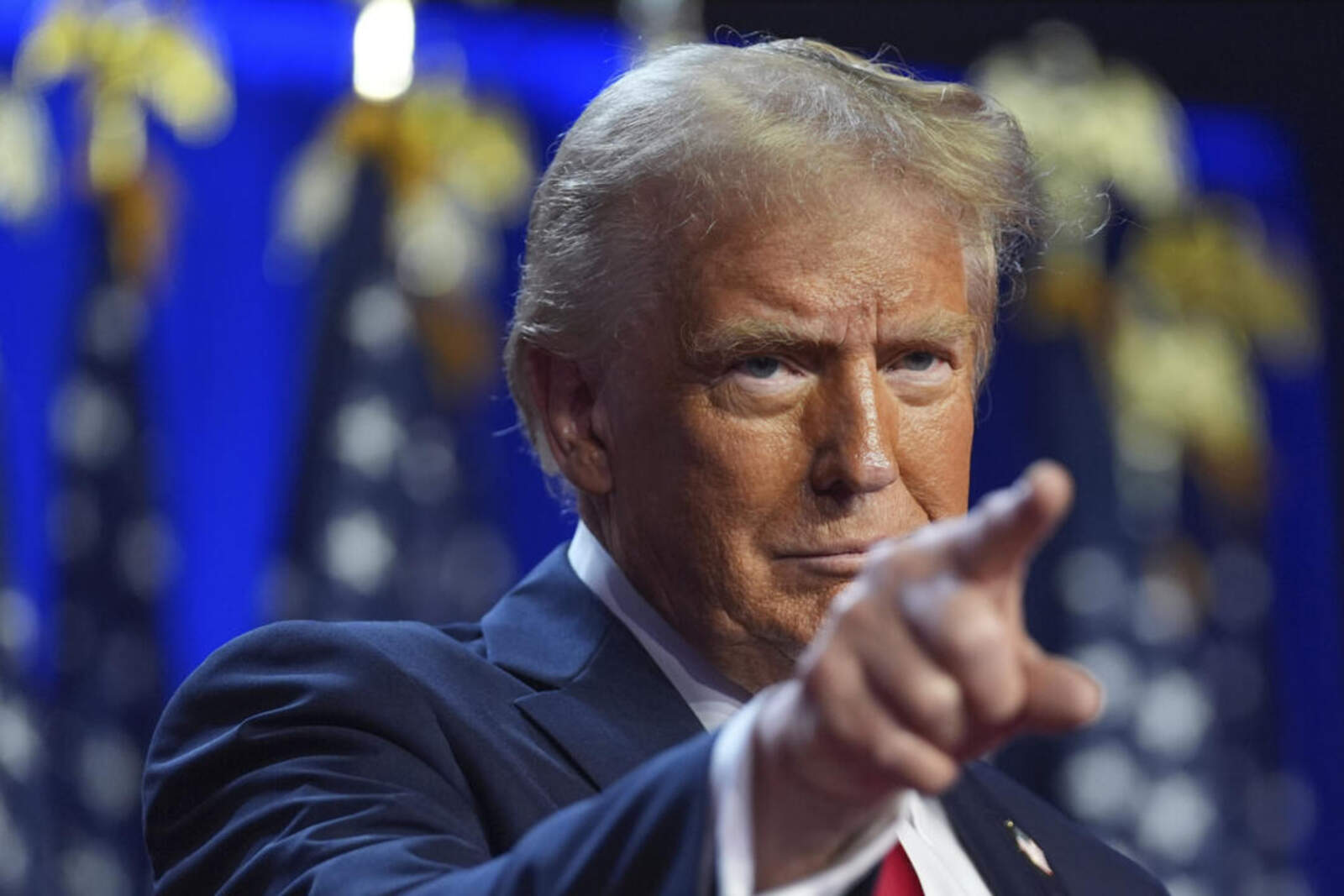
Trump anunció que tomaría medidas frenta a las importaciones de crudo de Cuba tras la captura de Maduro
From the perspective of the Trump administration, energy pressure seeks to force the Cuban government to reconsider its stance toward Washington. The president himself has publicly suggested that Havana should negotiate an agreement with the United States "before it is too late", making it clear that the status quo will no longer be tolerated. For the White House, limiting access to strategic resources is not an end in itself, but a means to open the door to political and economic reforms.
The eventual blockade would also have a geopolitical dimension. After the fall of the Maduro government, Washington intends to prevent Cuba from finding new oil suppliers that would replace Venezuelan supply.
Countries in the region, such as Mexico, have been identified as possible actors in this scenario, which has caused additional diplomatic pressure to align with United States policy.
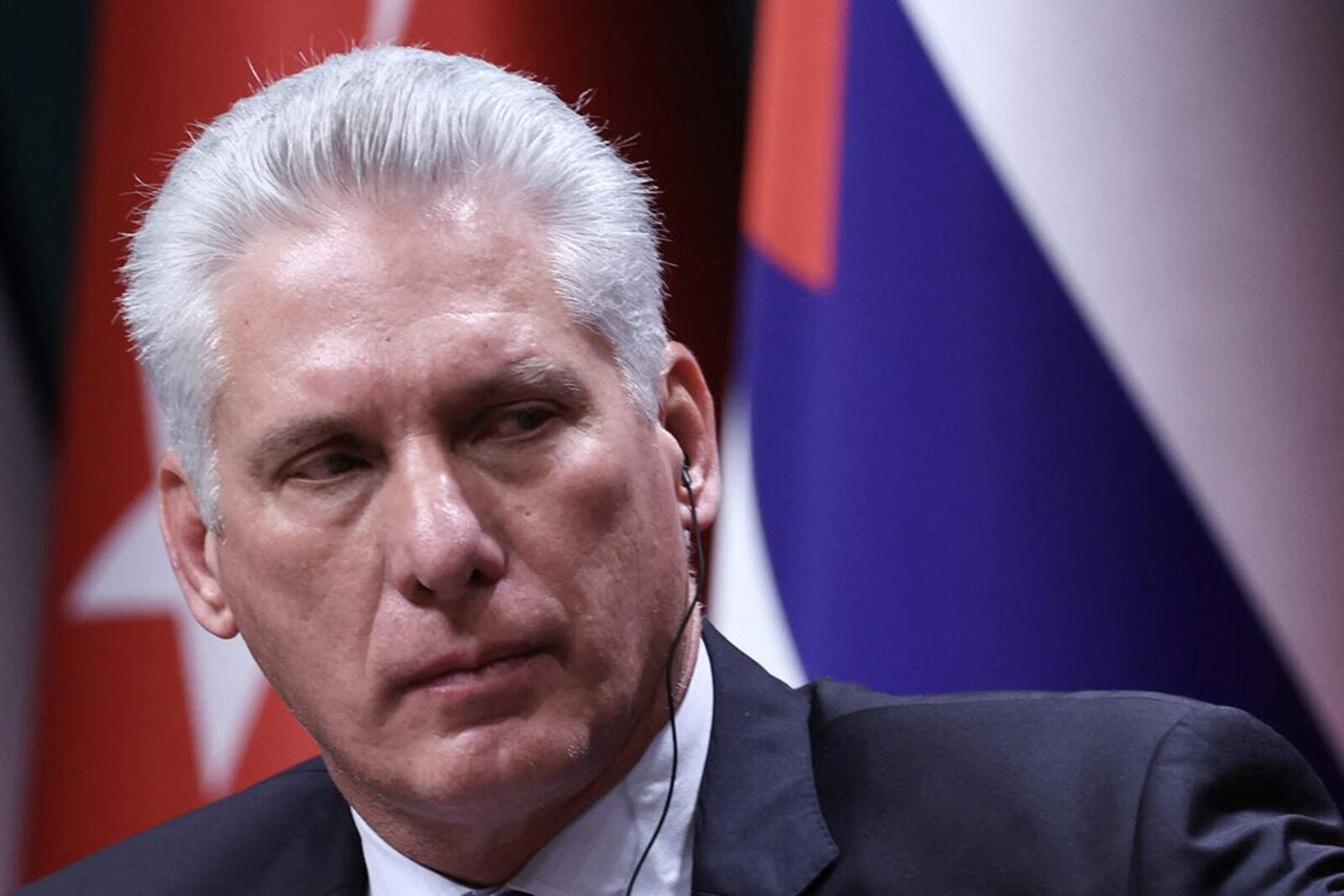
El régimen castrista de Díaz Canel deberá buscar un acuerdo con Estados Unidos y cesar con las hostilidades hacia sus ciudadanos
Officials and allies of Trump maintain that the initiative would send a clear message to other governments in the region: The United States is willing to act firmly to defend its interests and promote more open political systems.
In this regard, the blockade of Cuba is perceived as part of a broader doctrine intended to reduce the influence of authoritarian regimes and reinforce Washington's leadership on the continent.