The United States warned that the growing control of China over the megaport of Chancay in Peru could pose a risk to the sovereignty of the South American country and become a strategic point with geopolitical implications for all of Latin America, amid the intensification of competition between Washington and Beijing in the region.
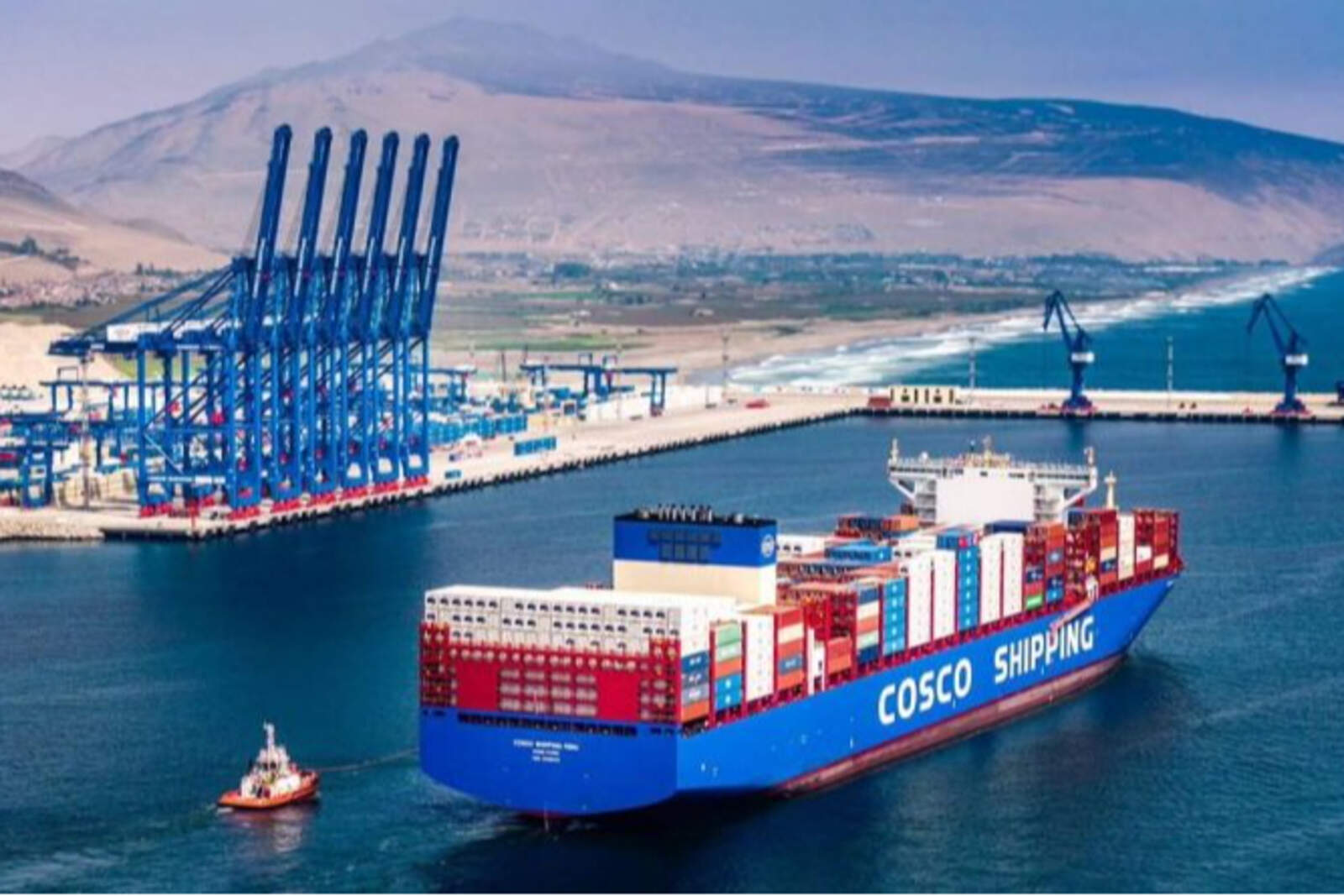
The controversy centers on the deep-water port of Chancay, located north of Lima and valued at 1.3 billion dollars. The project is led by the Chinese state-owned shipping company Cosco, which holds a majority stake. The U.S. concern intensified after a ruling by a Peruvian court that limited the state's regulatory oversight capacity over the terminal.
The Office of Western Hemisphere Affairs of the State Department expressed on social media its concern over reports indicating that Peru could be left "unable to oversee" one of its most important pieces of infrastructure, as it is under the jurisdiction of Chinese owners.
El foco de las advertencias giran en torno al proyecto del puerto de Chancay, en Perú, que es liderado por Cosco
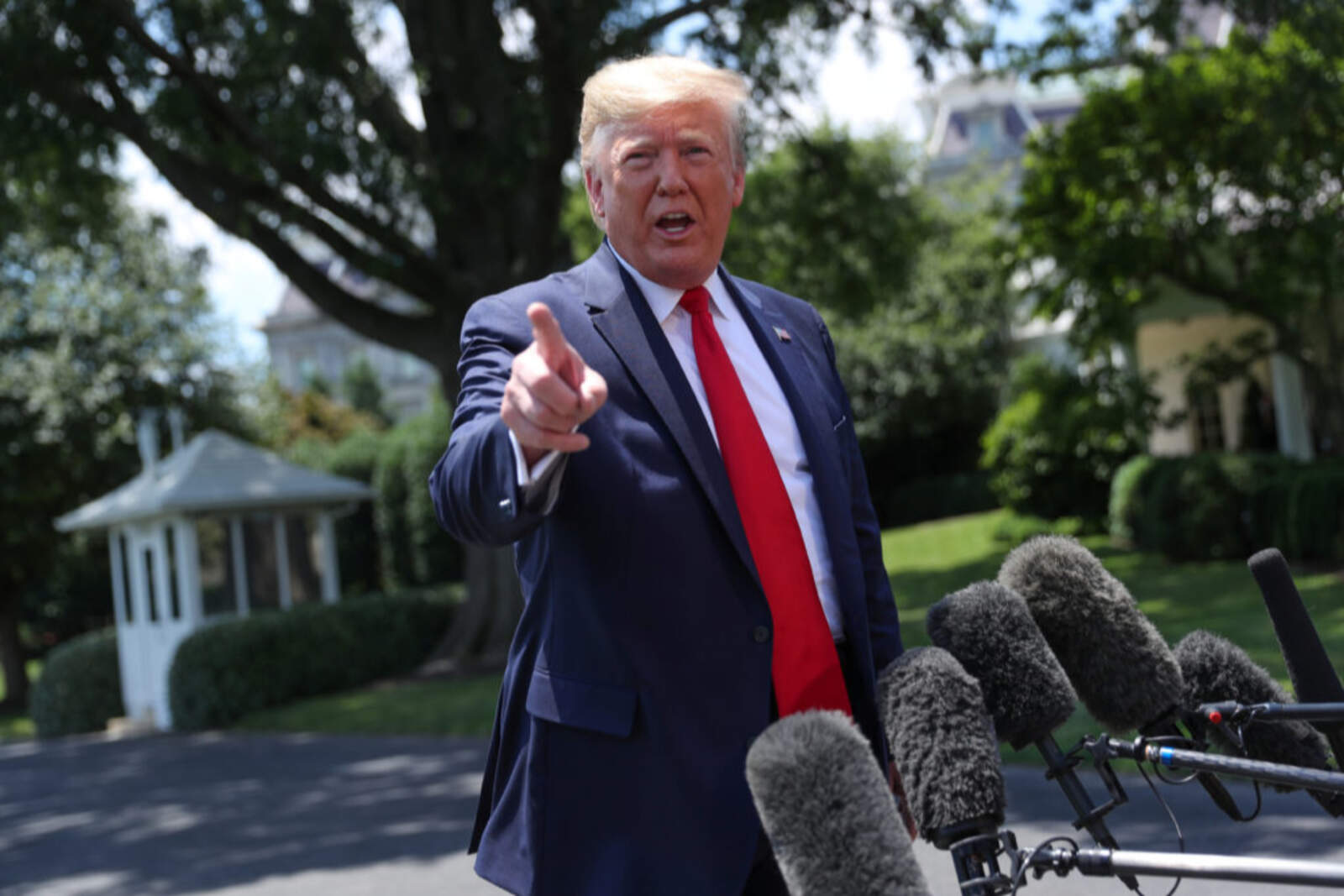
In its message, the entity maintained that it supports Peru's sovereign right to exercise control over its critical infrastructure and warned that low-cost Chinese financing may carry a high price in terms of national autonomy. The stance reflects the firm approach of President Donald Trump's administration toward China's economic expansion in the hemisphere.
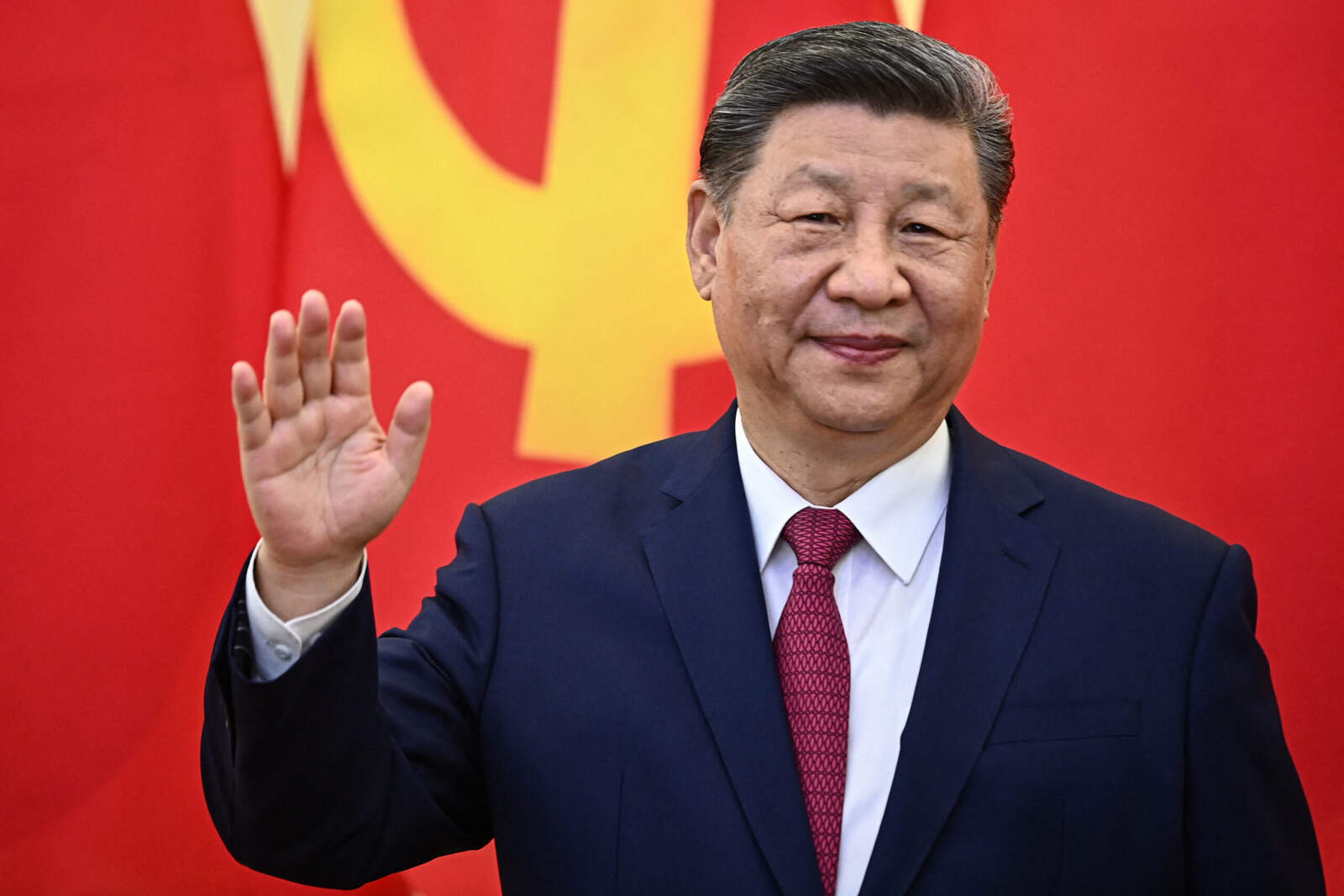
From Beijing, the Ministry of Foreign Affairs rejected the U.S. statements and described them as "slander" and "disinformation." Chinese officials insisted that the port remains under Peruvian authority and that the concerns about sovereignty are unfounded.
Several specialists stated that Chancay could redefine the trade routes of the South Pacific and recalled that China views ports as "dual-use" assets, with both civil and strategic potential. According to some analysts, in a possible conflict scenario, operational control could be used to restrict access to vessels linked to the United States.
El régimen de Xi Jinping rechazó las advertencias de Washington
The Peruvian transportation infrastructure regulator, Ositran, announced that it will appeal the court ruling, arguing that the port should not be exempt from the same oversight framework applied to other strategic facilities in the country. The outcome of the process will be decisive in defining the degree of effective control that the Peruvian state will exercise.
The Chancay project is part of the Belt and Road Initiative promoted by China. According to Chinese spokespersons, it will significantly reduce logistics times and costs between Peru and Asia and will create thousands of jobs. However, critics argue that the economic benefits must be assessed alongside the strategic risks involved in ceding a majority stake in key infrastructure.
The case is framed within the growing dispute between Washington and Beijing for influence in Latin America, where China has expanded its investments in ports, energy, and transportation. For the Trump administration, allowing Beijing to consolidate dominant positions in strategic logistics hubs could affect regional security and limit the decision-making capacity of host countries.
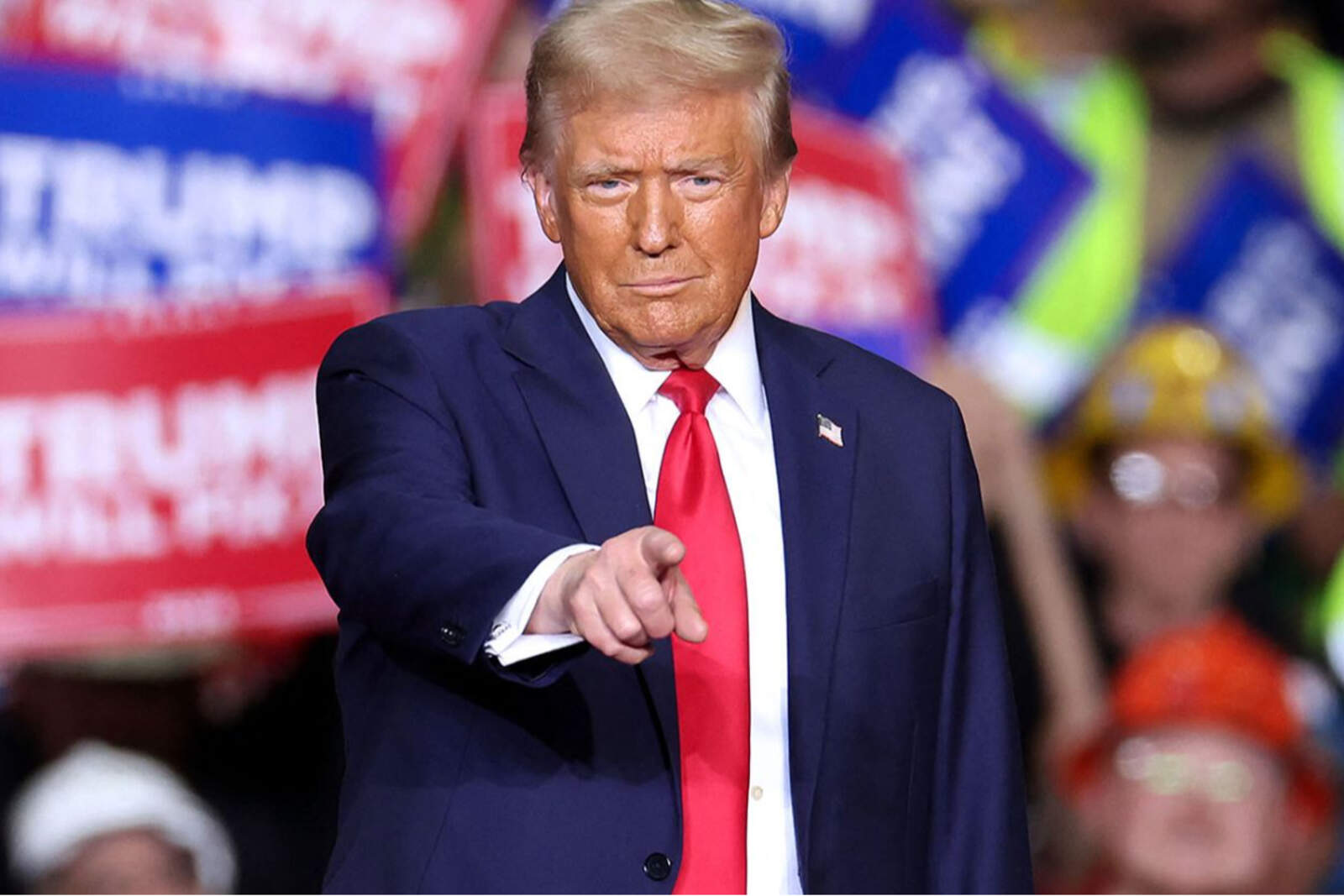
Trump aclaró que el avance chino en Perú podría representar la pérdida de la soberanía para Lima