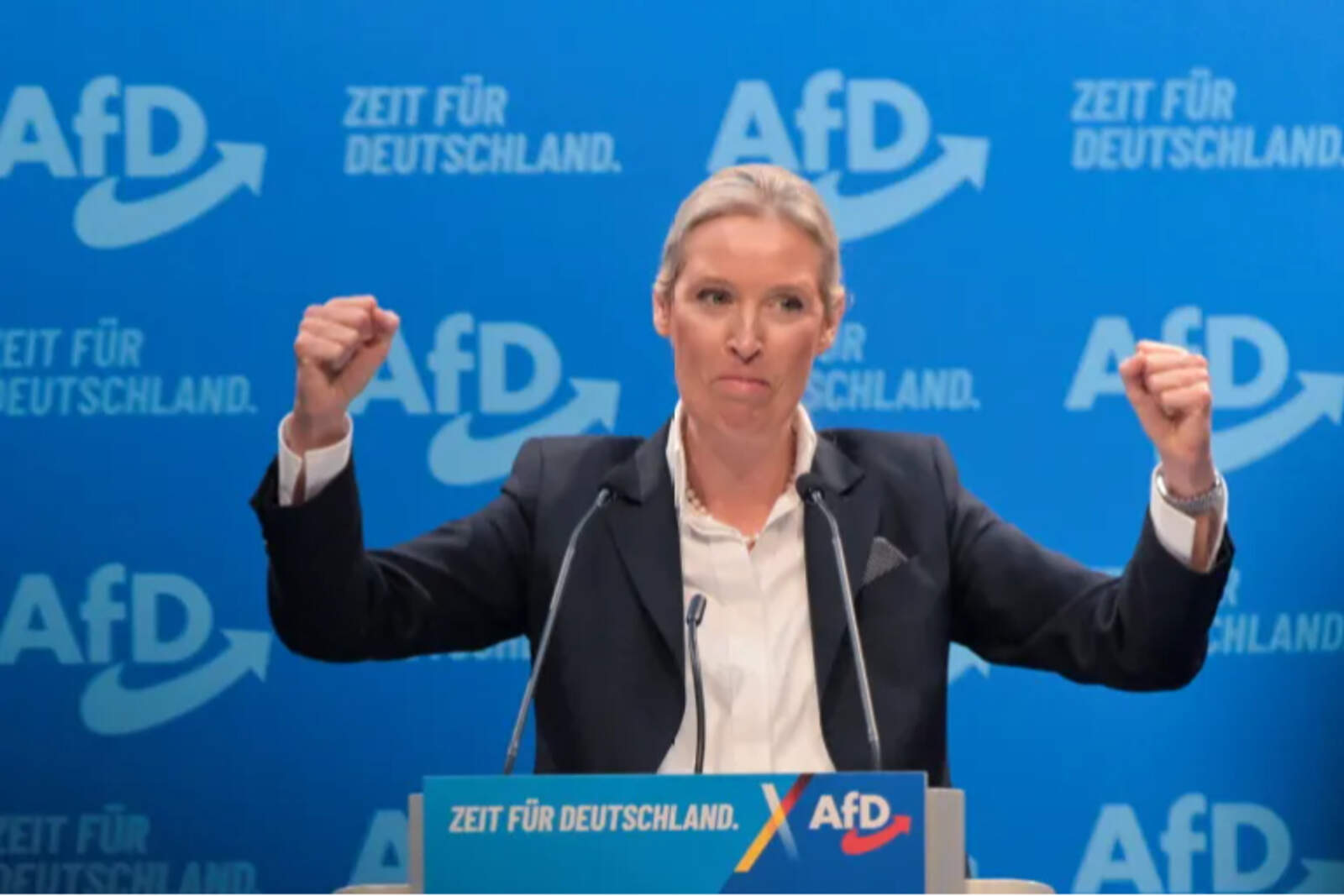
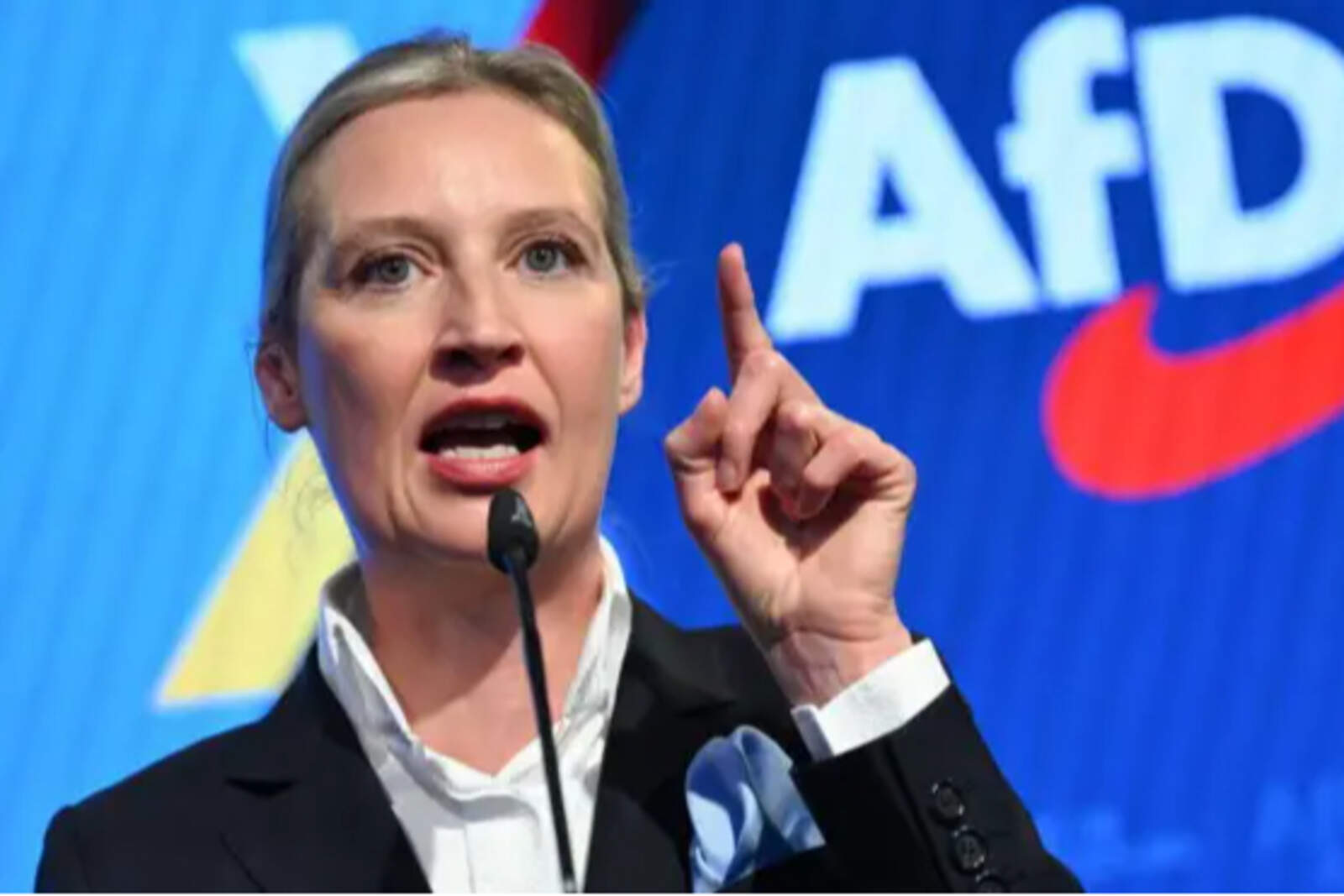
Alternative for Germany party can begin to navigate the post-leftist world that has prevailed in Europe
Nuevo
Agregar La Derecha Diario en
Compartir:
The German debate around Alternative for Germany (AfD), the national-populist party for which I serve as an adviser, has settled into a familiar, increasingly ritualized pattern.
It is shaped less by genuine inquiry than by gestures of exclusion, references to politicized intelligence reports, constitutional alarms, and a steady rhythm of moral self-affirmation. The party is discussed primarily as a deviation that must be contained, rather than as a political phenomenon that demands interpretation.
Foreign policy enters the discussion only at the margins, reduced to shorthand labels such as pro-Russia, anti-Europe, or internationally isolated. What this framing consistently avoids is the more demanding question of what kind of international and European order the party is responding to, and why its worldview resonates well beyond Germany's borders.
AFD discute como afrontar los nuevos desafíos en una Alemania cada vez más fragmentada
The persistence of this evasion suggests that AfD's rise may reveal less about an aberrant political actor than about the structural exhaustion of the progressive order that seeks to sideline it.
In the wake of AfD's strong performance in polls for the 2025 federal elections, consistently above 20 percent nationwide and leading in eastern Germany, ritualized exclusion has only intensified.
But events in America are making it increasingly difficult in Europe to marginalize post-progressive parties like AfD. The United States itself has become ambivalent toward the liberal order it once championed and funded.
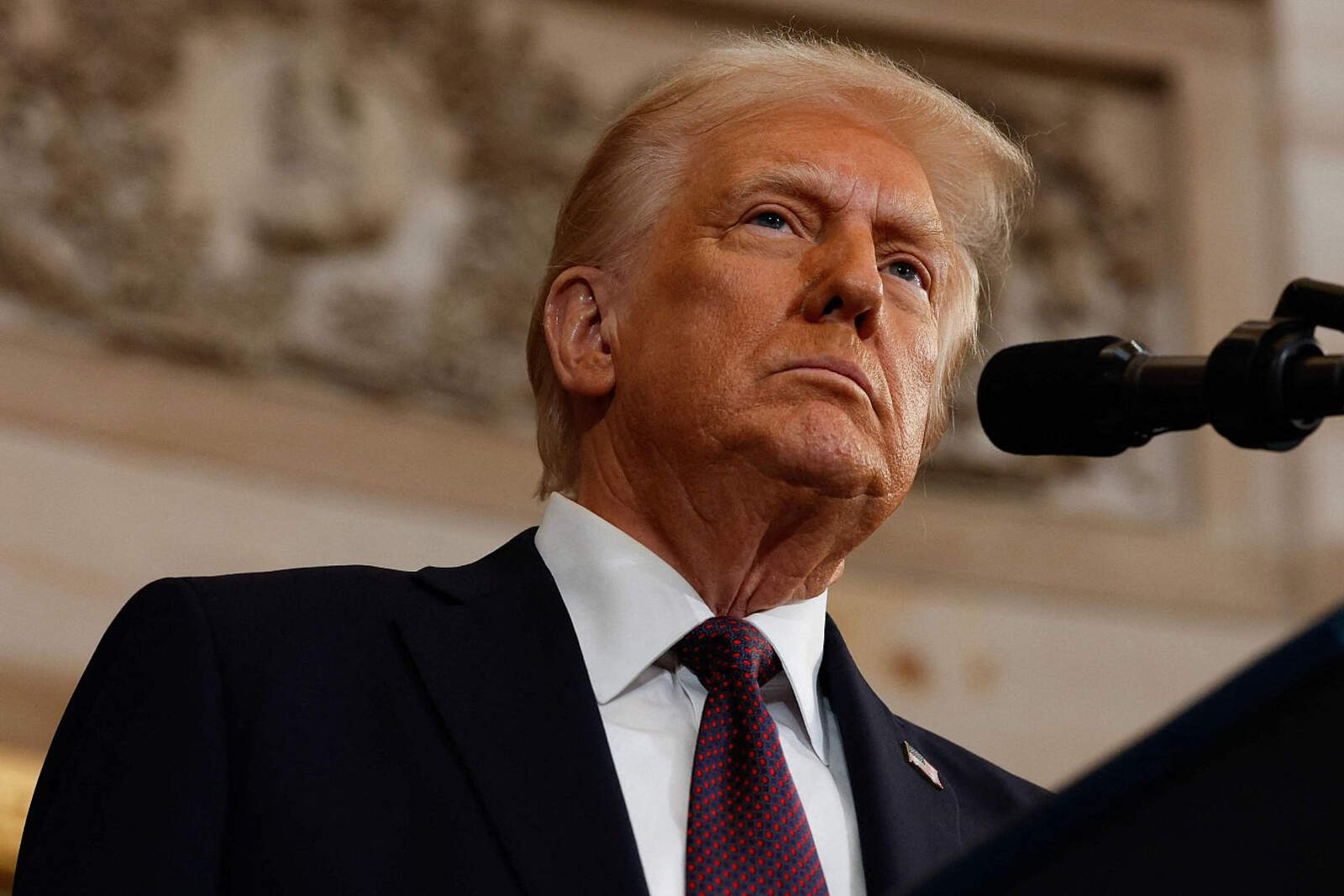
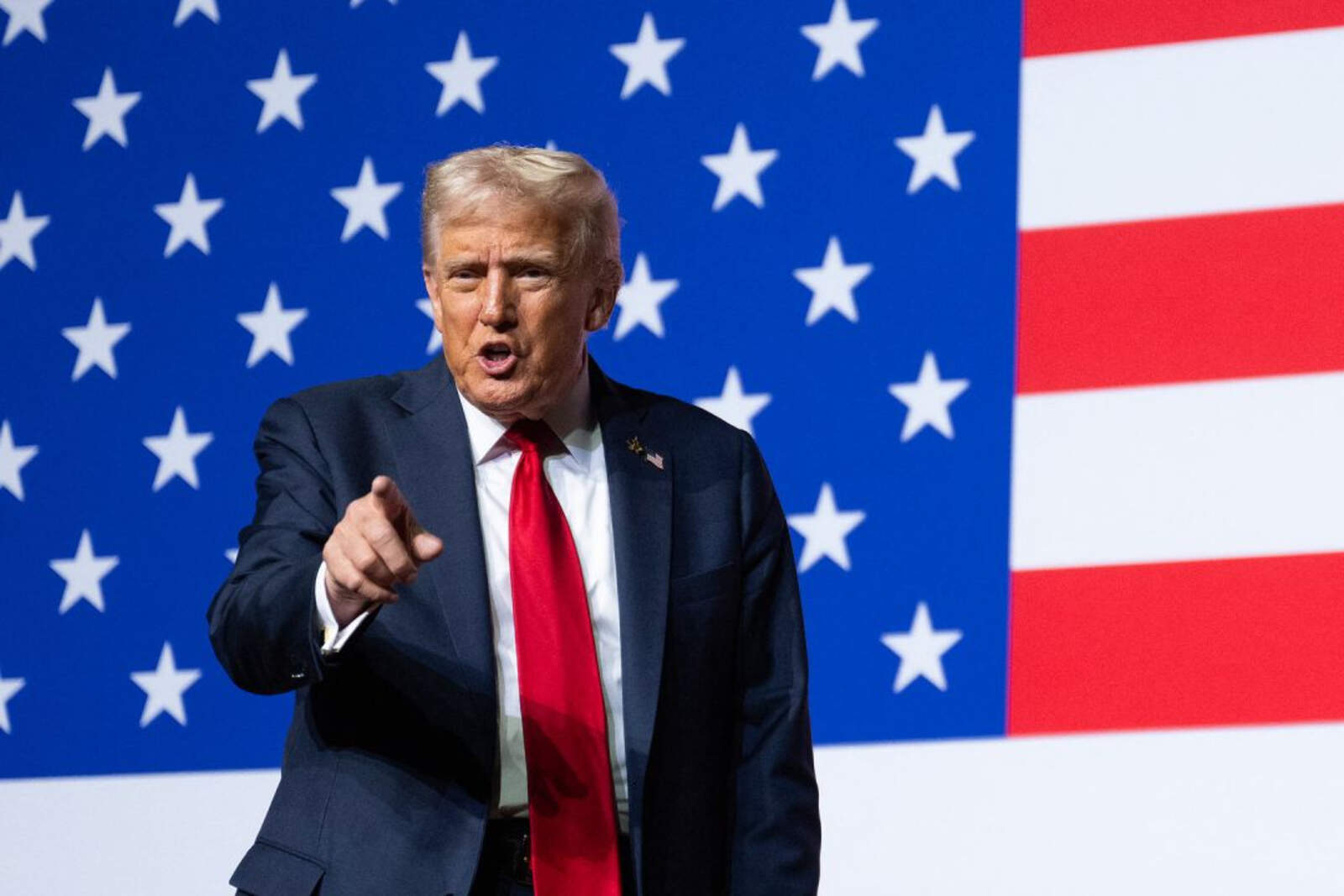
Donald Trump's return to the White House in January 2025, as well as last month's publication of his administration's National Security Strategy, formalize this shift.
El regreso de Trump a la Casa Blanca dio el impulso en Europa para tomar el liderazgo ideológico
In U.S. strategic debates, questions of border control and social cohesion are increasingly treated as interconnected security concerns rather than isolated domestic issues. For the German liberal establishment, this represents a crisis.
For AfD, it is a vindication. Beneath these developments lies a deeper crisis of progressivism itself. It no longer functions as a coherent global project.
La inmigración ilegal se convirtió en el eje central de la discusión en Alemania
Socialist rhetoric continues to dominate Western discourse, yet progressive practice has become selective, essential, and internally inconsistent.
What appeared for decades as a stable order now increasingly resembles an ideology struggling to reconcile moral ambition with declining capacity.
Moral authority without enforcement irritates rather than persuades. AfD is often portrayed as a deviation from a stable consensus. This framing is reassuring but misleading.
AFD ha sido durante años una fuerza asimétrica al establecimiento liberal contemporáneo
Many ideas articulated by AfD correspond to what has become the default position in much of the world: the rejection of a values-based foreign policy in favor of an interest-driven statecraft.
In global terms, states organize their behavior around power, security, sovereignty, and strategic advantage rather than abstract moral claims. AfD's frankness, speaking the language of interests rather than obligations, resonates because it aligns with perceived reality.
AfD's foreign policy outlook is thus framed as realist rather than nostalgic, aligned with the emerging global reality rather than with a declining ideal. This outlook is inseparable from a reassessment of U.S. leadership.
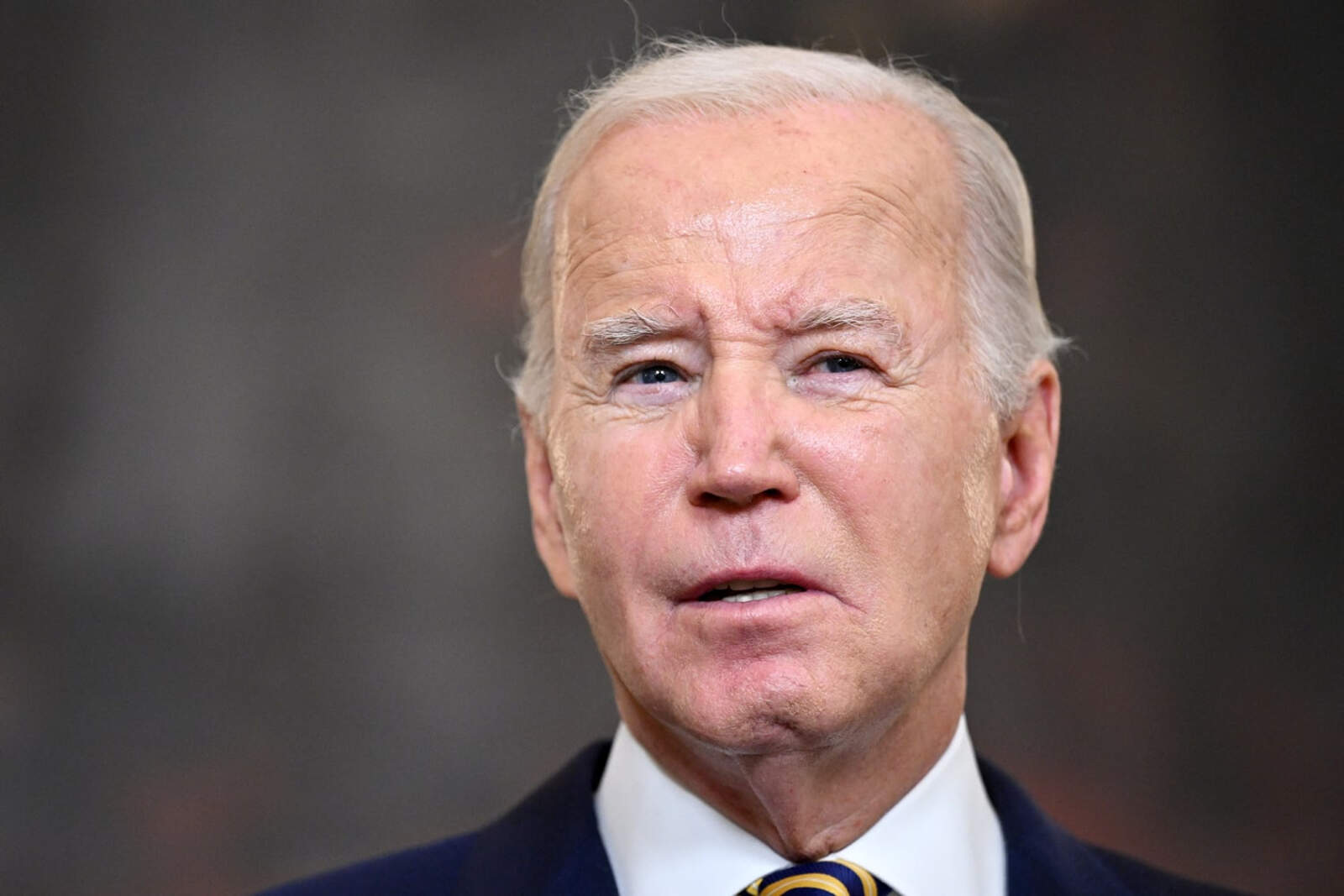
Joe Biden y el Partido Demócrata han deteriorado la imagen de Estados Unidos alrededor del mundo
From a realist perspective, the renewed U.S. emphasis on restraint and national interest also reflects an often overlooked "insight": that the projection of external power ultimately depends on social cohesion, political legitimacy, and a credible sense of collective purpose.
The U.S. no longer sees itself as a progressive hegemon capable of funding the global order through military dominance and moral authority. Strategic overstretch and domestic polarization have weakened its foundations. This reassessment places Germany before a strategic choice it has long avoided.
The traditional alignment with a progressive Atlantic order appears increasingly fragile because that order itself is fractured. Developments in Washington have intensified the dilemma.
AfD's longstanding fascination with Russia has come under strain due to geopolitical conflict and economic dependence. The party has recalibrated: Russia remains a symbolic challenger to Western dominance, but no longer a coherent model.
Instead, AfD looks to Central Europe (Hungary) as examples of enduring resistance to orthodoxy, and to eastern Germany itself as a laboratory where the promises of modernization have failed.
AFD ha tomado a Hungría como modelo a seguir
Contrary to common assumptions, AfD doesn't reject Europe as such. It rejects the current technocratic configuration of the European Union, which centralizes authority while diffusing responsibility.
The alternative is a Europe of sovereign nations: cooperation preserved, but uniformity rejected. Integration subordinated to sovereignty. Europe as a strategic actor, not as a moral tutor or extension of U.S. power, but as a coordinated constellation of sovereign states.
This vision is, I believe, perfectly compatible with the vision of Europe set out in Trump's NSS. The decisive question is not how Germany should deal with AfD, but how it understands itself in a multipolar world that no longer rewards moral absolutism or institutional inertia.
In a world reshaped by Trump's second term, Germany can no longer afford to ignore this question. AfD doesn't create this condition.
La estrategia de Seguridad Nacional de Trump brinda los lineamientos para el futuro de Europa
It reflects it, often in crude and inconsistent ways. In that sense, the party is not merely a symptom of structural exhaustion, but a serious attempt to translate post-progressive realities into statecraft.
From a U.S. perspective, AfD's worldview is no longer marginal. It aligns with the administration's own diagnosis of leftist exhaustion. If Washington under Trump can embrace restraint and sovereignty, why should Berlin cling to a fractured Atlantic consensus?