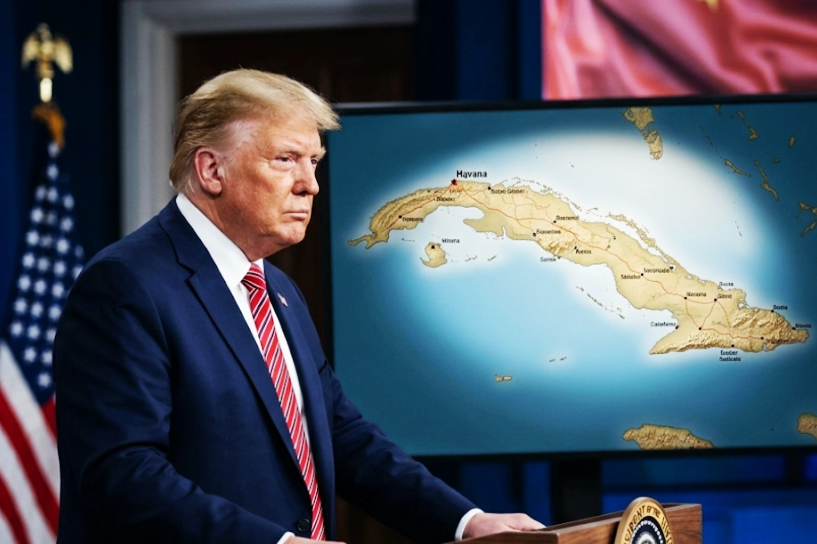
The President of the United States, Donald Trump, returned this Thursday from his official trip to China and immediately reactivated his agenda related to Cuba, insisting that the island is going through a critical situation and stating that “Cubans need help.”
During statements made before leaving Beijing, Trump avoided going into detail about the U.S. investigations related to Raúl Castro's environment, although he confirmed that Washington is maintaining contacts and discussions regarding the Cuban situation. “We have a lot to talk about regarding Cuba,” the president stated.
The statements come amid an increasingly severe economic and energy crisis on the island. Cuba is facing massive blackouts, food shortages, lack of fuel, and a significant decline in economic activity following the tightening of sanctions imposed by the Republican administration.
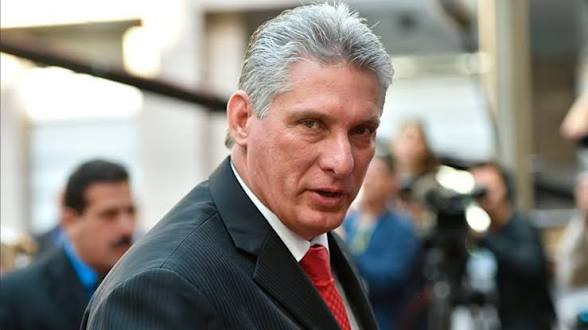
The Cuban dictator Miguel Díaz-Canel
In recent days, the U.S. government also offered a humanitarian aid package of 100 million dollars intended for food, fuel, and medicine for the Cuban population. Initially, the regime rejected the proposal, although it later confirmed discussions to accept part of the assistance through the mediation of the Catholic Church.
Trump has been tightening economic pressure on Havana since the beginning of the year. His administration imposed new financial sanctions, expanded trade restrictions, and threatened to punish countries or companies that continue to send oil to the Cuban regime.
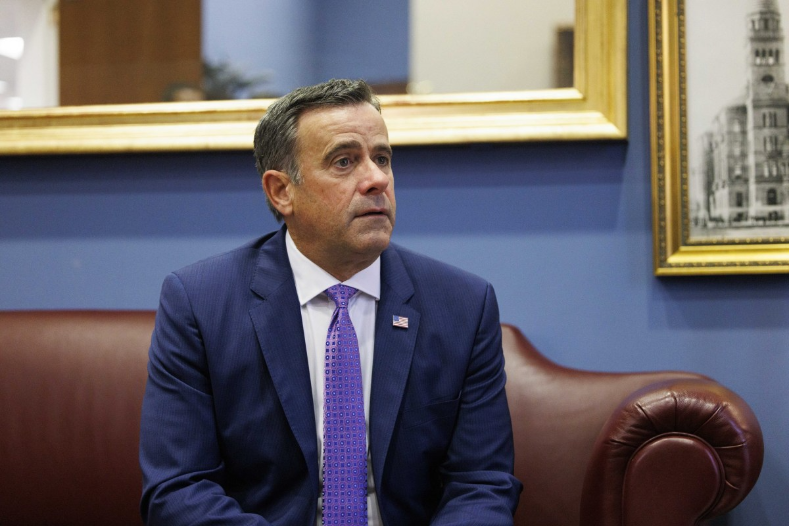
However, at the same time, Washington is keeping negotiation channels open with sectors of the Cuban government. This week, it was even confirmed that CIA Director John Ratcliffe made a secret visit to Havana to discuss possible economic and security agreements.
CIA Director John Ratcliffe
The Cuban situation was also present during Trump's visit to China. Beijing publicly reiterated its demand for the lifting of U.S. sanctions against Cuba and reaffirmed its support for the regime of Miguel Díaz-Canel. Analysts believe that Chinese and Russian influence on the island has become one of the central factors in Washington's geopolitical strategy in the Caribbean.
Meanwhile, political prisoner releases and discreet diplomatic contacts between both governments continue to be recorded. Cuban opposition organizations argue that the regime is trying to buy time while the economic crisis continues to deteriorate living conditions across the island.
In the meantime, Trump insists that Cuba “is seeking help” and keeps open the possibility of moving towards a broader agreement, although conditioned on political and economic changes within the island.