The statements caused concern in Denmark and among European allies, who question the possibility of unilateral action. Prime Minister Mette Frederiksen pointed out that a move forced by Washington "would break 80 years of transatlantic cooperation".
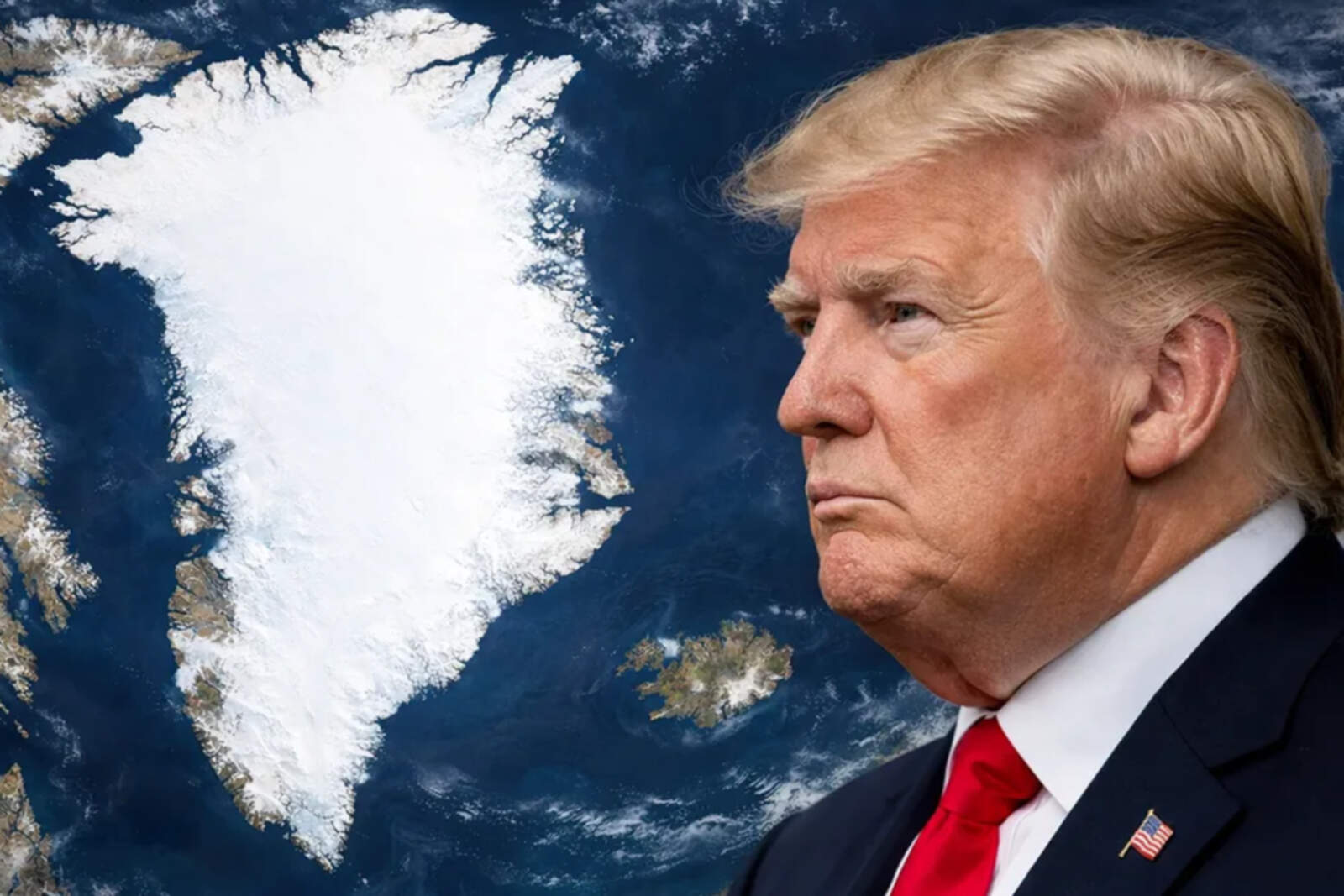
The president of the United States, Donald Trump, once again placed Greenland at the center of the international agenda by declaring that Washington will control the territory "one way or another", in view of Russia's and China's growing interest in the Arctic. According to his explanation, allowing authoritarian powers to gain a foothold in an area that is key for global security would be "a historic irresponsibility".
Trump maintained that the U.S. presence in Greenland is essential to maintain the balance of power and to prevent military moves that could compromise the stability of the Northern Hemisphere. "If we don't take Greenland, Russia or China will, and I'm not going to allow that to happen", he stated.
Geopolitical interests: minerals, routes, and military power
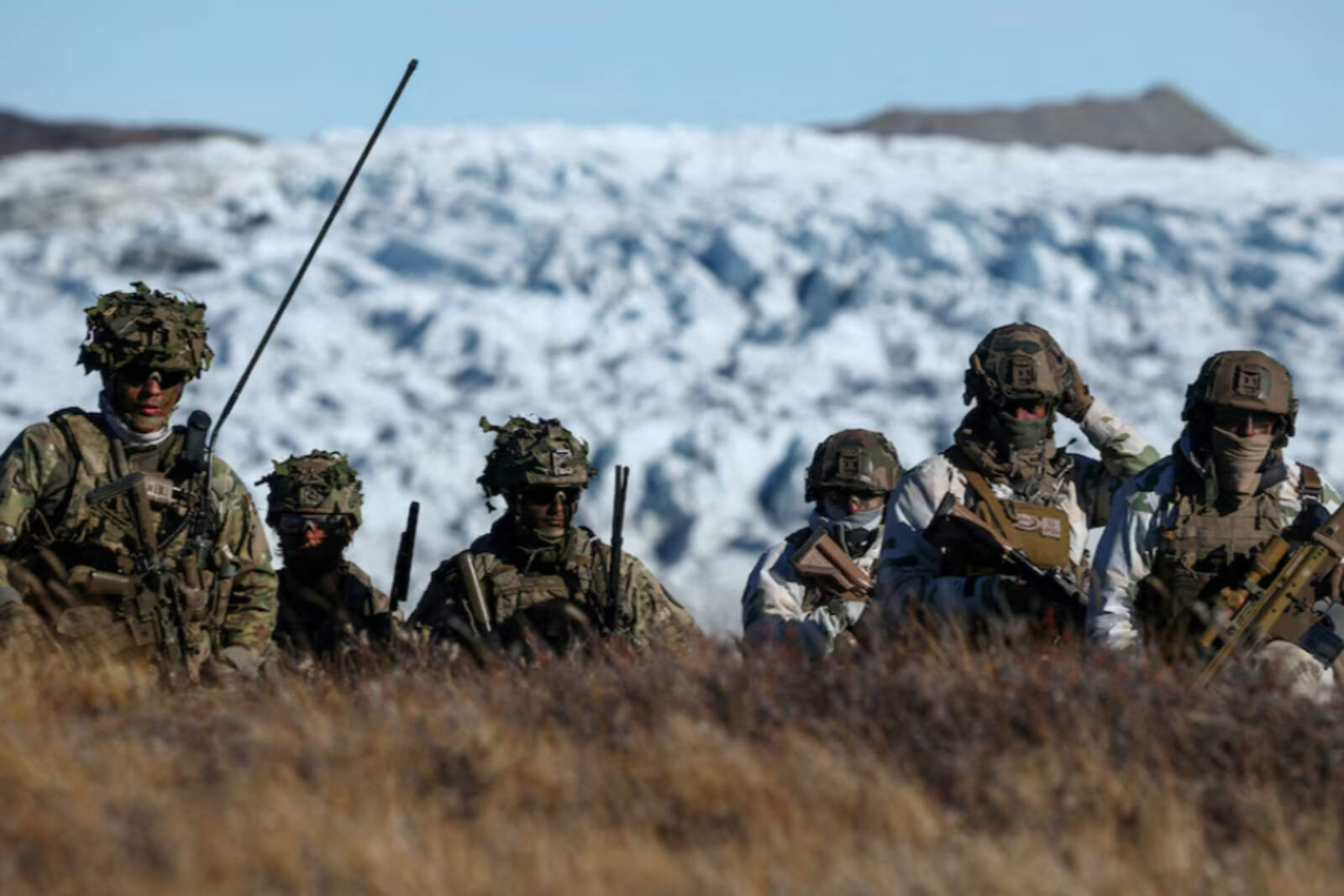
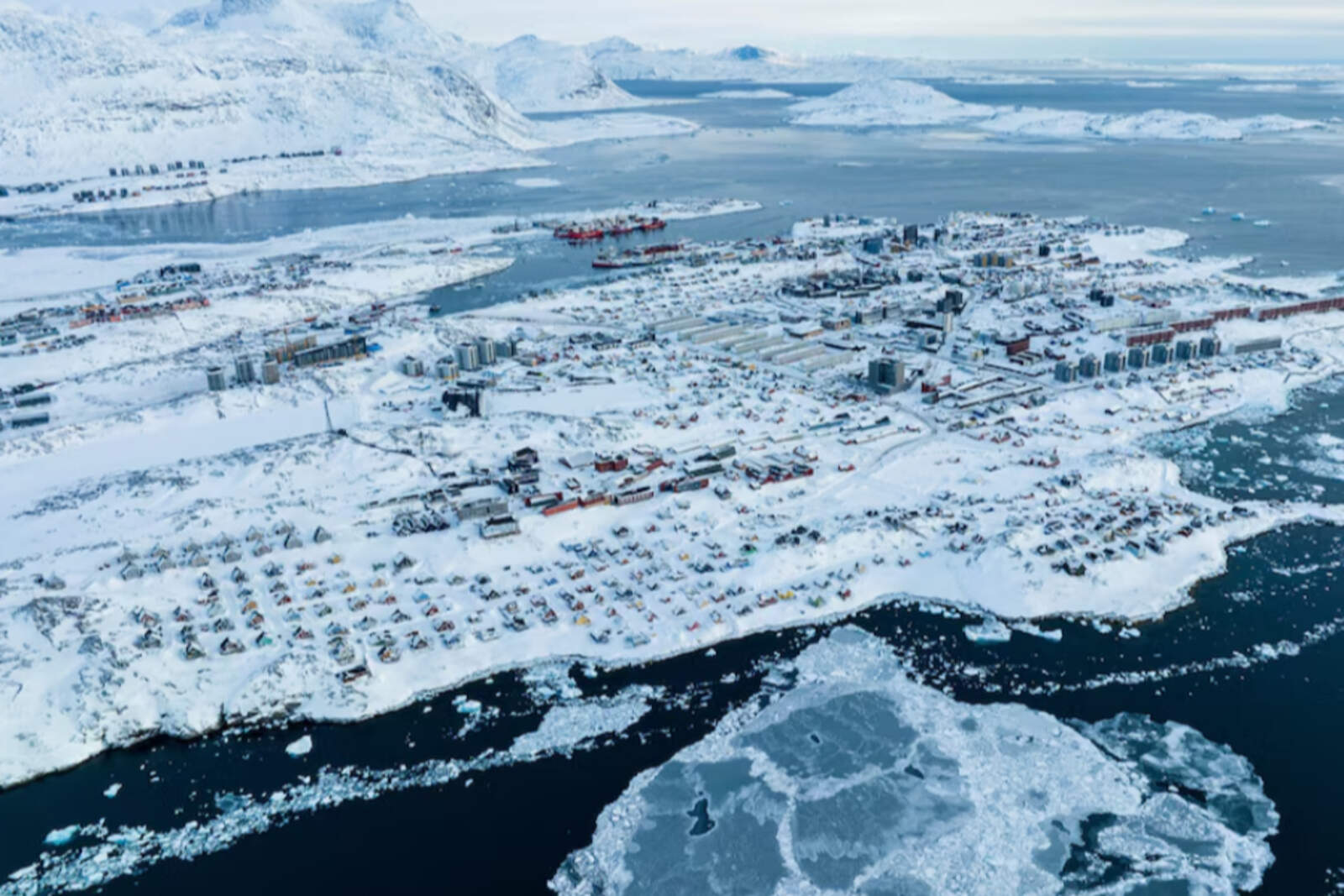
The island governed by Denmark is not just a remote and cold region: it possesses strategic mineral resources, energy potential, and a privileged location for military monitoring. The United States already has a base there dating back to World War II, but Trump believes that Greenland's autonomy is a weakness in an increasingly competitive global scenario.
Trump afirma que EEUU controlará Groenlandia ante la amenaza rusa y china
For that reason, he warned that Washington could act even without a formal agreement if U.S. security requires it. Although he left the door open to negotiations with Denmark, he stressed that the ultimate goal is for the United States to exercise effective control over the territory.
Trump dismissed those criticisms and recalled that NATO depends to a large extent on the U.S. military structure. "If it affects NATO, it affects NATO. But Greenland needs us more than we need them", he stated bluntly.
Trump afirma que EEUU controlará Groenlandia ante la amenaza rusa y china
A vision aligned with the North American security doctrine
Trump's stance is not improvised: it is part of a containment strategy in the face of the advance of rival powers in key areas such as the Arctic, the Pacific, and the Middle East. His vision coincides with sectors of the Pentagon that believe that leaving power vacuums is equivalent to ceding ground.
The Republican administration aims to exert direct influence to protect strategic resources and to prevent authoritarian regimes from gaining ground. For analysts closest to Washington, Greenland represents exactly that: a key point that the United States can't lose.