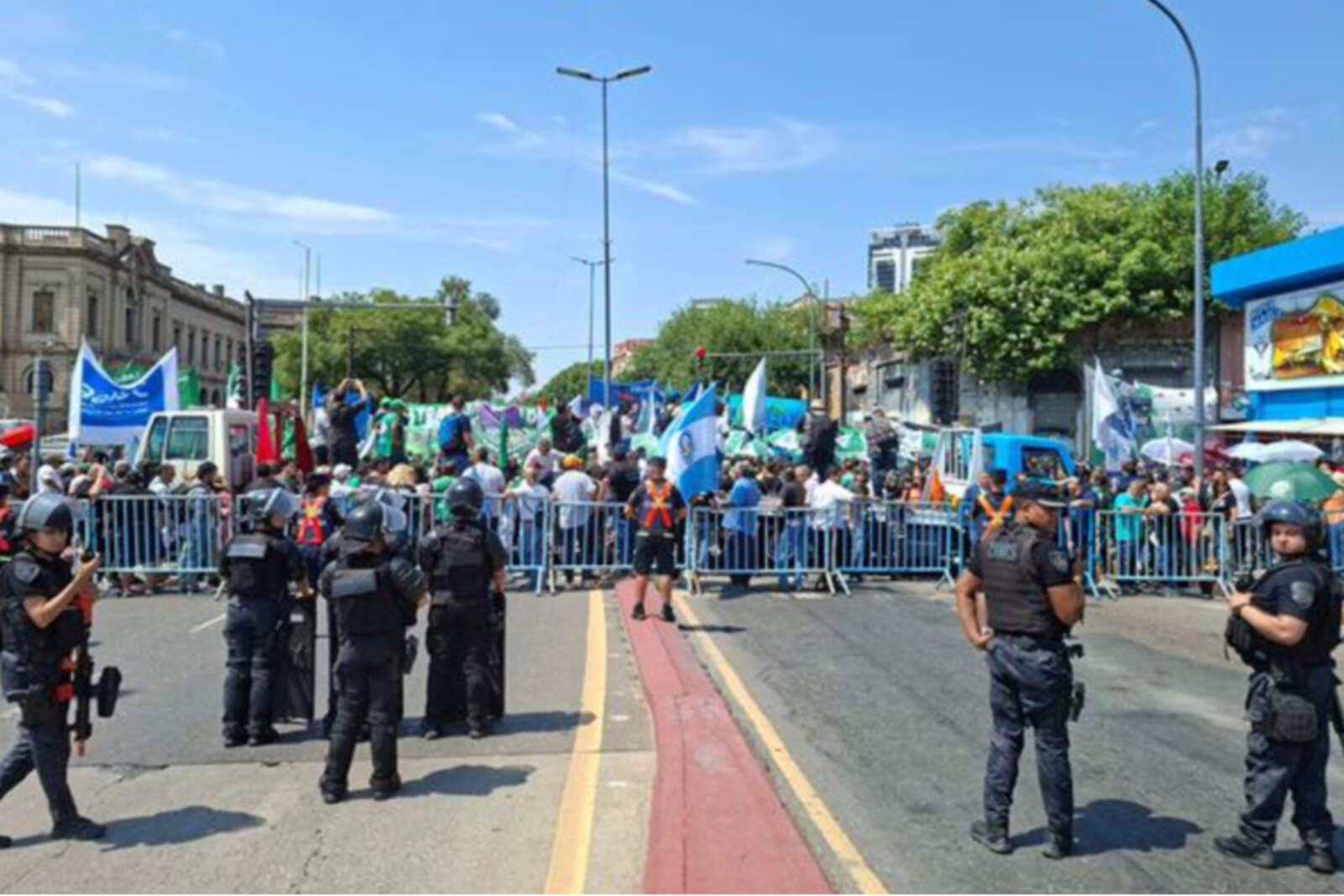
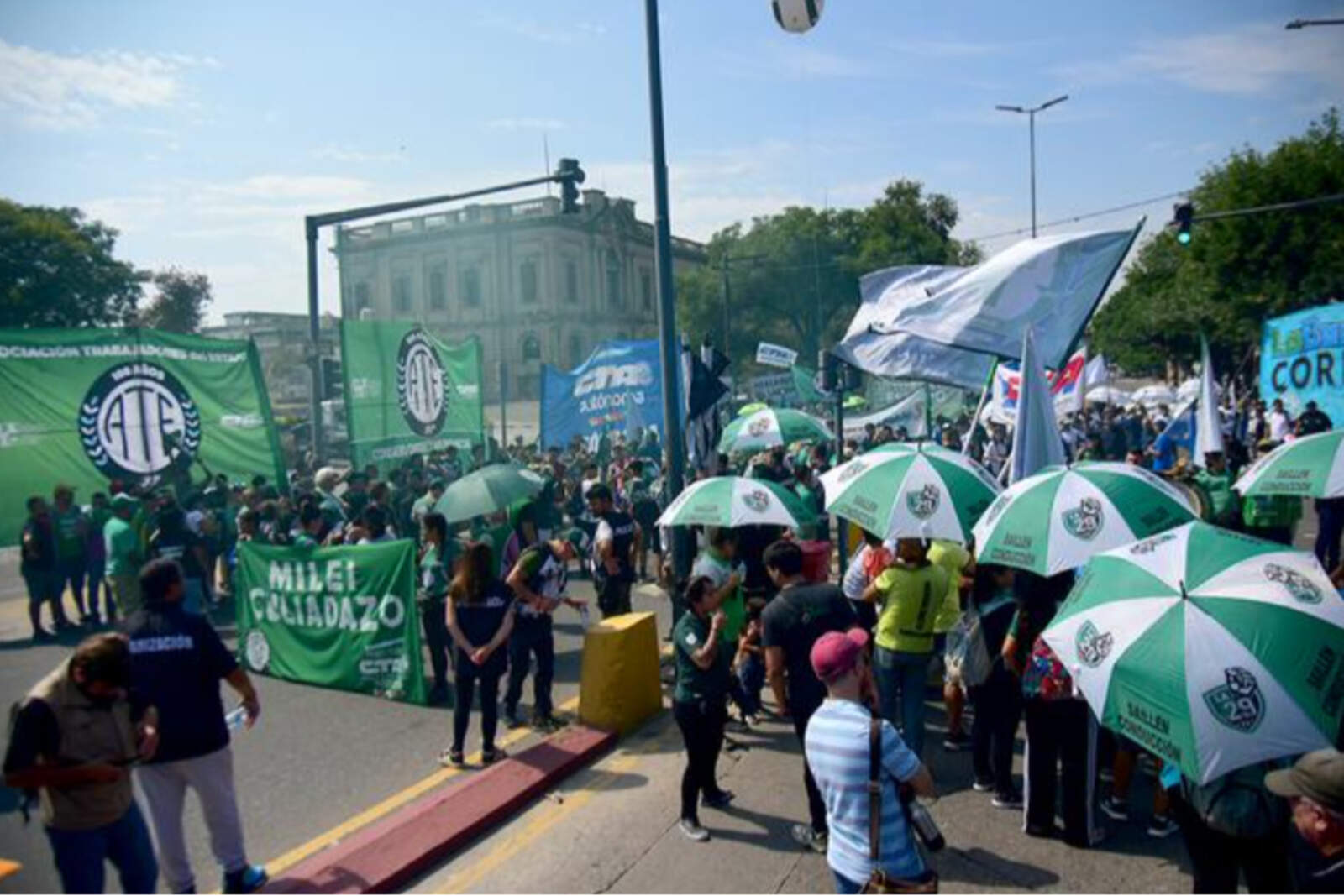
The city of Córdoba suffered a total paralysis this Thursday due to the actions of unions that illegally blocked the movement of all citizens. The ATE and UOM groups led columns that turned the downtown area into a scene of absolute chaos and public extortion. These mafia-like organizations prevented the free movement of Córdoba's workers through simultaneous roadblocks at the main access points.
The local unions insist on defending an anachronistic and obsolete labor system that has already left almost 50% of Argentines in the informal economy. By opposing the necessary modernization proposed by Javier Milei's government, these sectors show that they only protect their privileges. The violent resistance to structural changes is the main obstacle preventing the country from returning to the path of growth and real employment.
The blockade at Puente Centenario and the surrounding area of Hospital de Urgencias created a critical situation for hundreds of local drivers. Streets such as Sarmiento, Olmos, and Humberto Primo were taken over by nursing staff, judicial employees, and bank workers to the detriment of decent people. The demonstrators tried to impose their agenda over the constitutional right to move freely, leaving the provincial capital in an extreme situation.
Las cúpulas de la UOM y ATE amenazan ahora con un paro general para el miércoles 11 de febrero
Unions threaten a nationwide strike
The leadership of UOM and ATE now threatens a general strike for Wednesday, February 11, the day the Senate will address the labor reform. The union leaders warned verbatim: "We don't rule out calling a nationwide strike in the coming hours to stop the bill from being debated." This maneuver seeks to shut down activity across the nation while the Upper House debates the regulations needed to drive development.
During the protests, left-wing congresswoman Celeste Fierro labeled the bill as a "slave-owning and reactionary reform" in order to pressure the senators. The pressure in the streets aims to influence the vote of the legislators who answer to Martín Llaryora in the face of the National Executive's initiative. It is evident that Córdoba's union movement is using force to sustain a model that prevents the creation and hiring of new genuine employees.
The citizenry is expressing growing weariness with these demonstrations that block streets and do not defend workers' true interests. Social exhaustion with union activity is total due to the persistence of methods that set back the competitiveness of the local market by decades. Meanwhile, working people suffer the consequences of these blockades, and it is clear that modernization is the only path to well-being.