The British Army took a controversial and innovative step in adapting its military doctrine to 21st-century conflicts with the consolidation of Brigade 77, a unit specialized in psychological operations, digital analysis, and strategic use of social media to influence local populations and counter adversary propaganda.
The origin of this brigade dates back to the lessons learned during the war in Afghanistan, where it became evident that territorial control and military superiority do not guarantee victory if the battle for public opinion is lost. Since then, the United Kingdom has moved forward in institutionalizing the so-called "information warfare," understanding that perception, narrative, and the flow of information can be as decisive as traditional armed force.
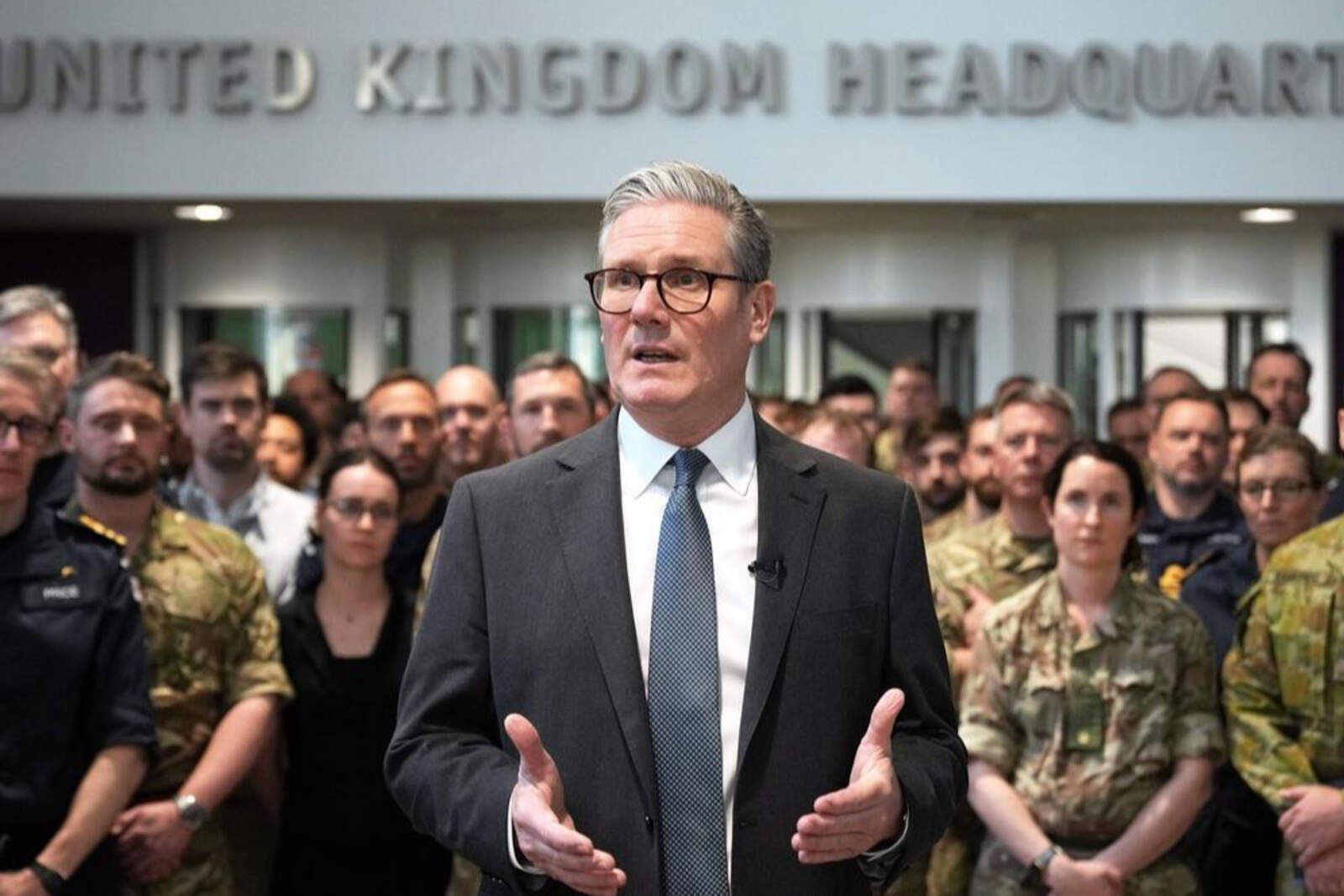
Keir Starmer, primer ministro del Reido Unido, por el Partido Laborista.
Brigade 77's official mission is to use non-lethal tools and non-military levers to "shape behaviors" of adversary forces. In practice, this includes monitoring online activity, analyzing digital profiles, identifying communication trends, and designing campaigns aimed at weakening enemy influence and gaining support on the ground. All of this is carried out within the framework of what London defines as "legitimate information operations."
The unit's name is not accidental. It pays tribute to the Chindits, a British force from World War II that operated in Burma with unconventional tactics against the Japanese army. That logic of infiltration and influence was transferred, decades later, to the digital sphere. Even the brigade's internal structure keeps historical references, with subunits called "Columns."
With the formal recognition of cyberspace as a new theater of war, Brigade 77 became actively integrated into the 6th Division of the British Army, with specific teams dedicated to digital operations and information warfare. Its role is not limited to traditional war scenarios, since it can also extend to "support of civil authorities," triggering reflections on its potential political use.
A paradigmatic case was its participation during the COVID-19 pandemic, when it collaborated with the British government in detecting and neutralizing "disinformation campaigns" related to the virus. That intervention, however, opened a sensitive debate about the boundaries between security, information control, and civil liberties.
Organizations and critical sectors warned about the risk that tools designed for external conflicts could turn into surveillance mechanisms over the population itself. The use of digital monitoring to profile behaviors and flag content raises questions about freedom of expression and the possibility of citizen espionage, especially in a context where the line between disinformation and critical opinion is increasingly blurred.
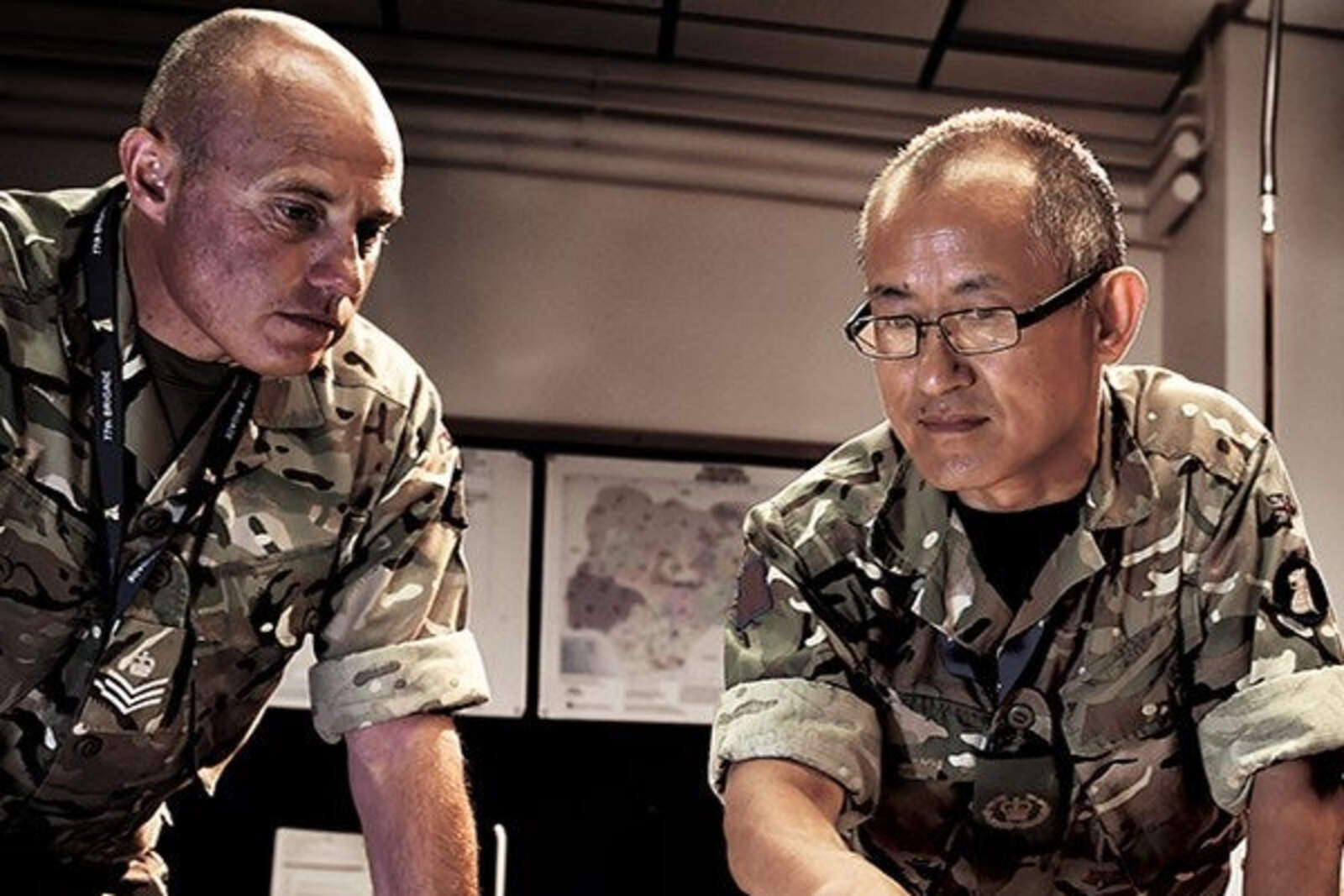
Miembros de la brigada 77.
The British Ministry of Defence keeps that Brigade 77 operates under strict legal frameworks and in coordination with civil authorities, ruling out any misuse. Nevertheless, the precedent is clear: the digital space has ceased to be neutral and has become part of the battlefield.
The dilemma is not exclusive to the United Kingdom. Western democracies face the same challenge: how to defend themselves from information warfare without eroding essential rights. In that fragile balance, Brigade 77 has become a test case for a transformation that is already underway in different armies around the world.