The new economic offensive also increases the risk of an Iranian military response against Washington's regional allies.
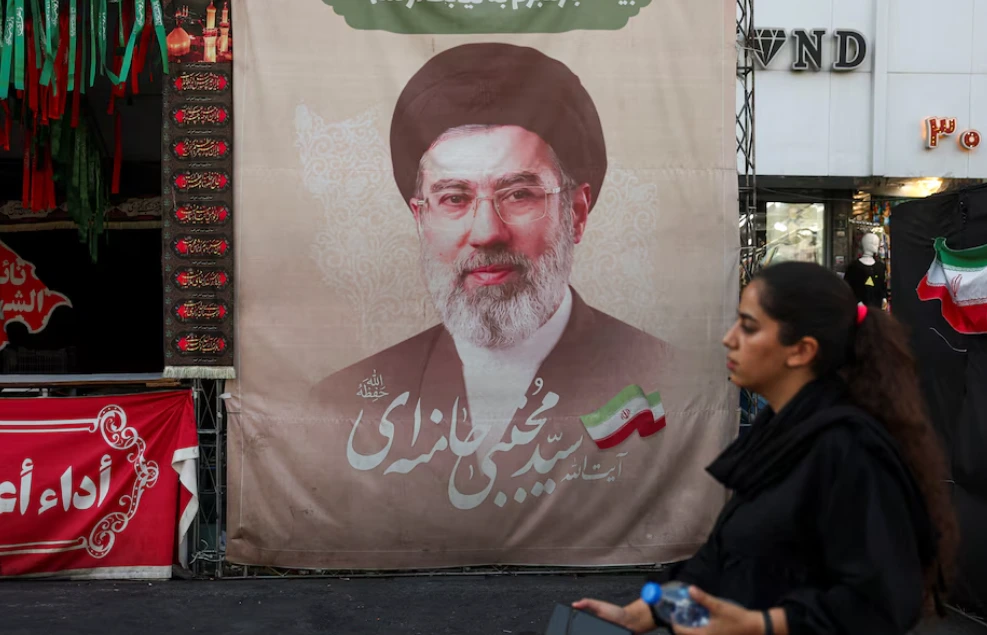
Mohsen Rezaee, representative of Supreme Leader Mojtaba Khamenei on the Supreme National Security Council, warned that countries collaborating with the new restrictions will be considered enemies by Tehran.
“Any country that becomes a partner in creating economic restrictions against us will be considered an enemy by us,” threatened the Iranian general.
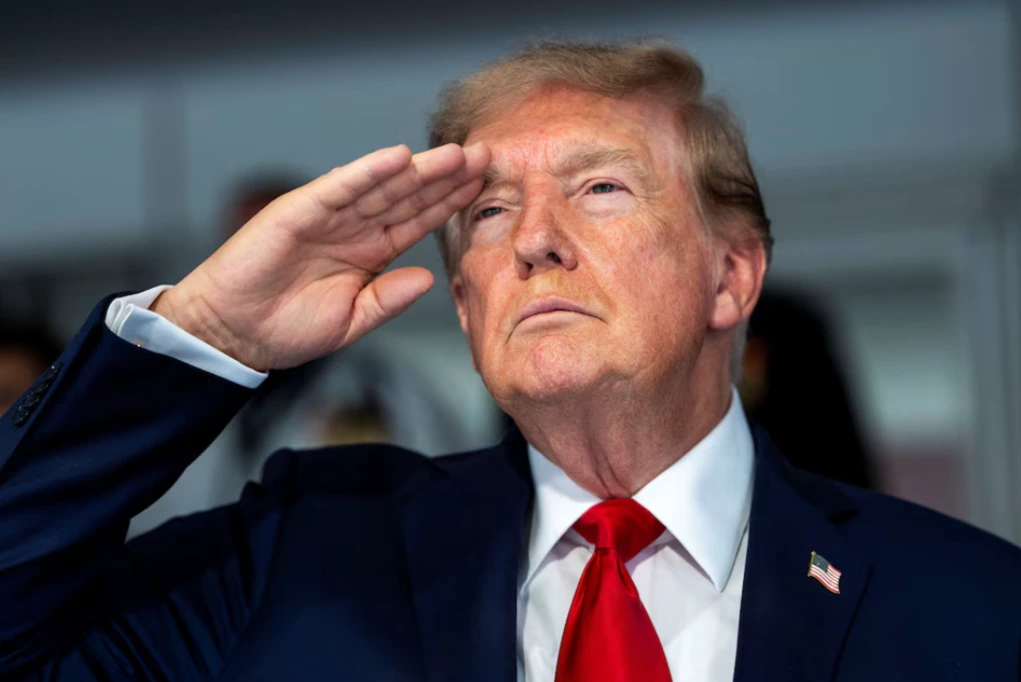
The administration of Donald Trump is preparing a large-scale economic and financial offensive against Iran, aimed at hitting the main sources of funding for the regime and creating the conditions for the reopening of the Strait of Hormuz.
The new measures will be announced by Treasury Secretary Scott Bessent, who presented the operation as a turning point in Washington's strategy against Tehran. The White House characterized the day as an “Economic D-Day”, referring to the Allied landing in Normandy during World War II.
The declared goal of Washington is to cut the funding channels that allow the Iranian regime to sustain its military apparatus and economic structure, while simultaneously increasing pressure on countries and companies that maintain trade relations with Tehran.
Trump prepares the “Economic D-Day” against Iran
Bessent anticipated the scope of the offensive through his official X account and stated that Trump believes previous military actions have already significantly reduced Iran's strategic capabilities.
“We are now entering the final game,” the official said while describing the beginning of a new phase primarily based on economic pressure.
According to Bessent, Washington will seek to use “every agency, every authority, and every action” available to cut the regime's sources of resources.
The strategy particularly targets the flow of foreign currency reaching Iran from China, through companies and bank accounts involved in international trade.
Among the measures being considered by the Treasury is the possibility of imposing tariffs or sanctions on third countries that maintain certain trade exchanges with Iran, increasing the cost of continuing to do business with Tehran.
Trump prepares the economic "D-Day" against Iran
Washington seeks to cut the regime's funding
The logic of the offensive is straightforward: if Iran loses access to foreign currency and international markets, it will have greater difficulties sustaining its military structure and financing the regime.
The White House thus aims to exert sufficient pressure to bring Tehran back to the negotiating table and obtain a solution to the conflict surrounding the Strait of Hormuz.
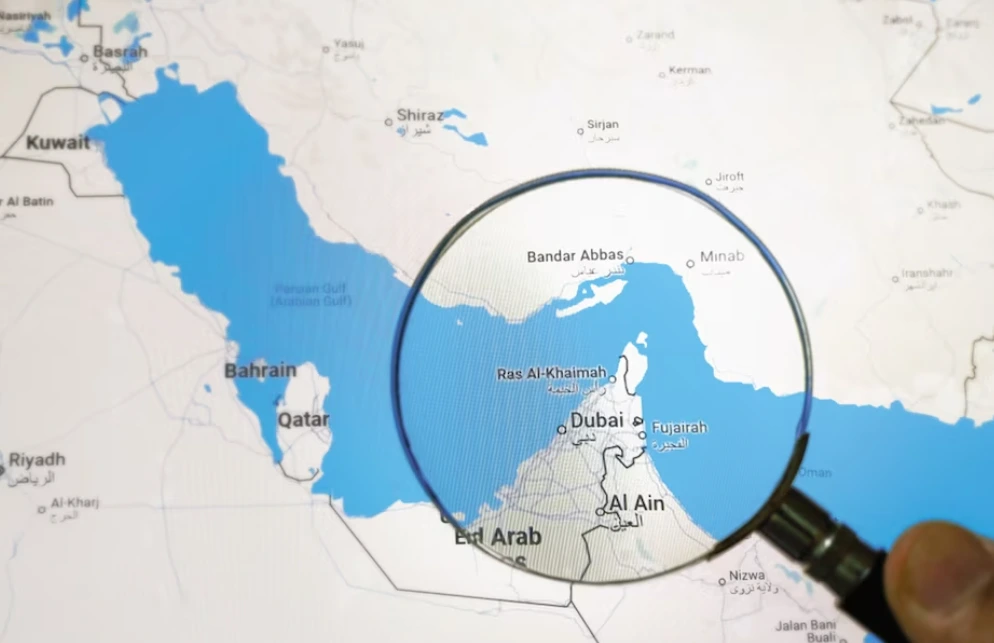
The maritime passage is one of the most important strategic points in the confrontation. A significant portion of the oil and gas that leaves the Persian Gulf for international markets passes through there.
The control exercised by the Revolutionary Guard over maritime transit since the beginning of hostilities has had a strong impact on energy markets.
The warning raises particular concern among Qatar, the United Arab Emirates, Bahrain, and Saudi Arabia, countries that could be exposed to reprisals if Tehran decides to respond to the sanctions by attacking U.S. infrastructure or interests in the region.
The Arab governments allied with Washington have already expressed their concern over a military escalation. For them, a new open war with Iran would have direct consequences on their security and economies.
Hormuz, Trump's strategic objective
The reopening of the Strait of Hormuz is one of the main objectives of the U.S. strategy.
The blockade has had a strong impact on the international oil price and has particularly complicated the Trump administration, which faces political pressure due to fuel costs within the United States.
Ormuz, the strategic objective of Trump
For this reason, the U.S. president may have opted to prioritize economic pressure over a new military operation aimed at regaining control of the maritime passage.
Washington's bet is to use sanctions to weaken Tehran's financial position and force a new round of indirect negotiations.
However, the Iranian regime maintains that it will not negotiate while the blockade on Hormuz continues and U.S. economic pressure remains.
The scenario leaves open the possibility of a new escalation: Washington seeks to use financial power to force Iran to back down, while Tehran threatens to expand the conflict if other countries collaborate with the economic isolation.
With energy markets watching the situation and the strait still under Iranian control, the dispute over Hormuz has become one of the main fronts of confrontation between Trump and the regime of the ayatollahs.