After the capture of dictator Nicolás Maduro in Venezuela, United States efforts to seek peace in the Caribbean are focusing on Haiti
Compartir:
United States reaffirmed this week its central role in efforts to stabilize Haiti, after the Presidential Transitional Council announced the dismissal of the acting prime minister, Alix Didier Fils–Aimé, a few weeks before the planned dissolution of the body itself, next February 7.
In a statement released the same day, President Donald Trump's government described Fils–Aimé's continuation in office as "essential" to sustaining the fight against the criminal gangs that control large areas of Haitian territory.
Washington also warned that it "will take appropriate measures" in response to any action that seeks to destabilize the country, a clear signal of the White House's determination to preserve a minimum of institutional continuity amid the chaos.
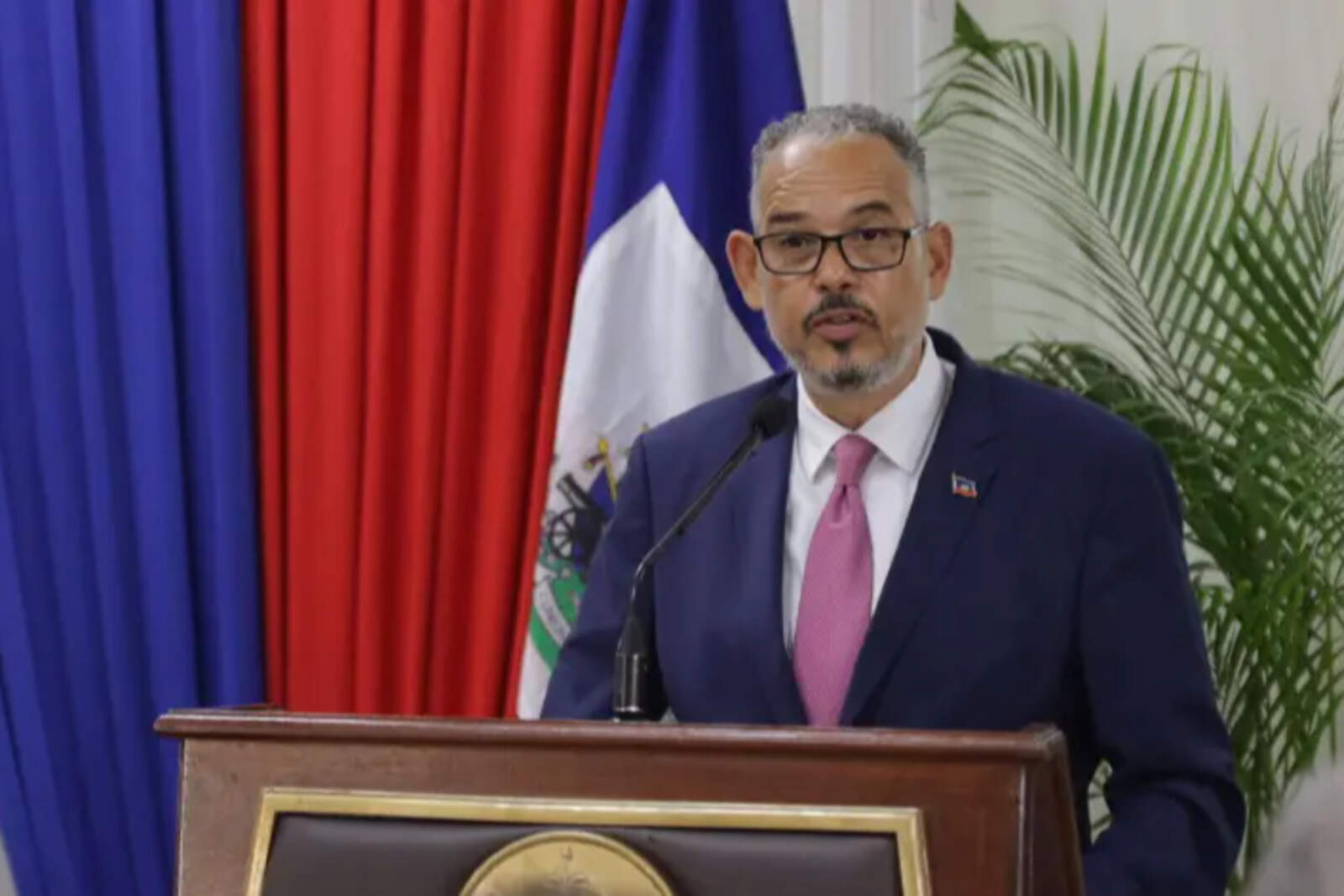
Estados Unidos apoya la permanencia del primer ministro Alix Didier Fils-Aimé
The U.S. position was reinforced by the announcement from Southern Command (Southcom) about the deployment of three ships to the coasts of Haiti, in a show of deterrent presence that underscores the strategic importance of the Caribbean for regional security.
From the Trump administration's perspective, chronic instability in Haiti represents a direct threat, both because of the risk of expansion of organized crime and because of the potential impact on migration flows toward the United States.
The gravity of Haiti's internal situation has been widely documented by international organizations. The gangs, grouped in the Viv Ansam coalition, control nearly 90% of Port-au-Prince and have extended their influence toward the center and north of the country.
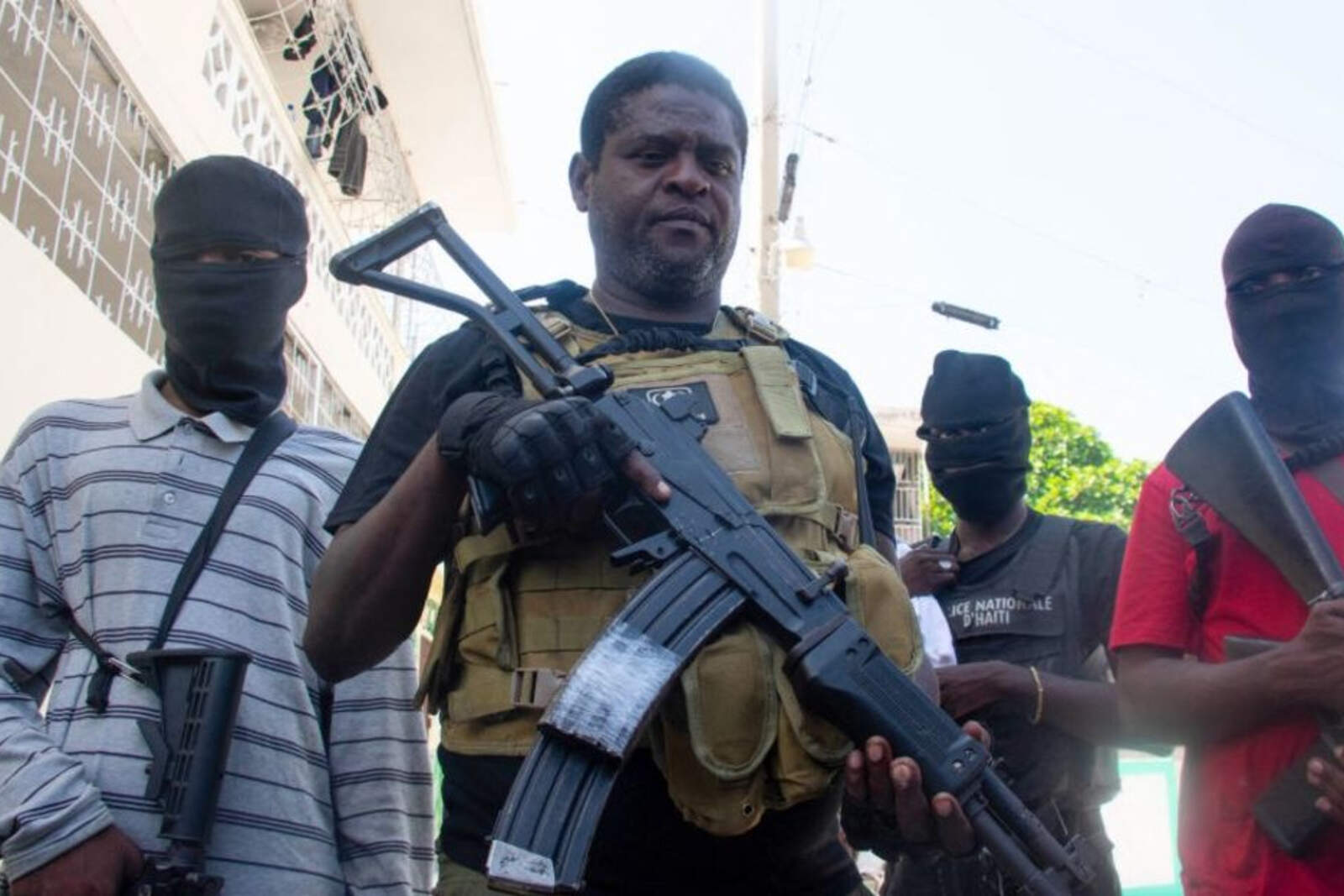
Under the visible figure of Jimmy Chérizier, alias "Barbecue", these organizations have been responsible for massacres, kidnappings, and systematic attacks against critical infrastructure.
Jimmy Chérizier es conocido por liderar una organización criminal caníbal
According to United Nations data, more than 8,100 murders were recorded between January and November of last year, a figure that could be underestimated due to limited access to areas dominated by the gangs.
Meanwhile, Doctors Without Borders reported a sharp increase in sexual violence, used systematically to terrorize the population, especially women and girls, in a context of collapse of public services and extreme deterioration of living conditions.
Faced with this scenario, the Trump administration has opted for a pragmatic, results-oriented strategy, avoiding for now the direct deployment of U.S. troops.
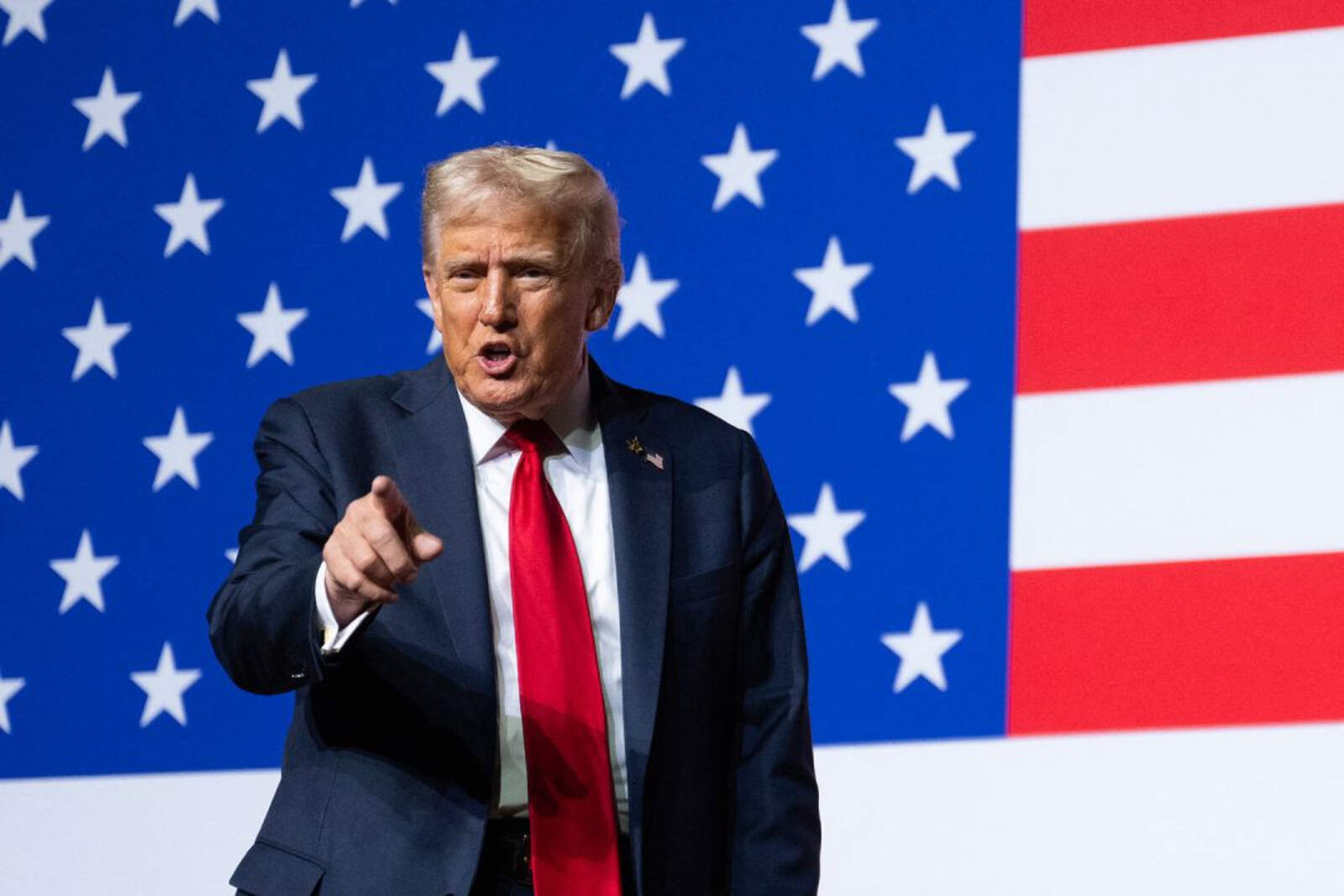
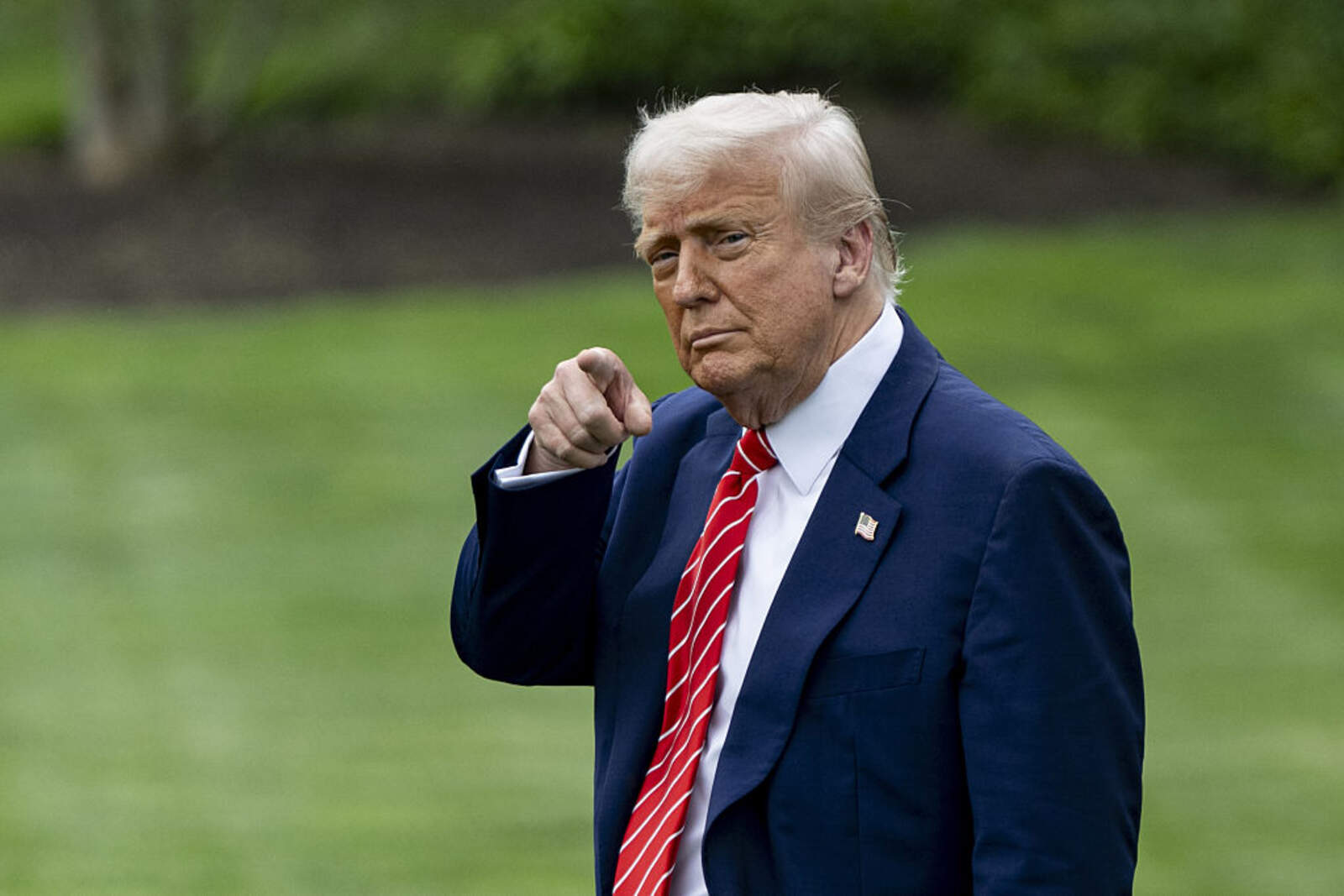
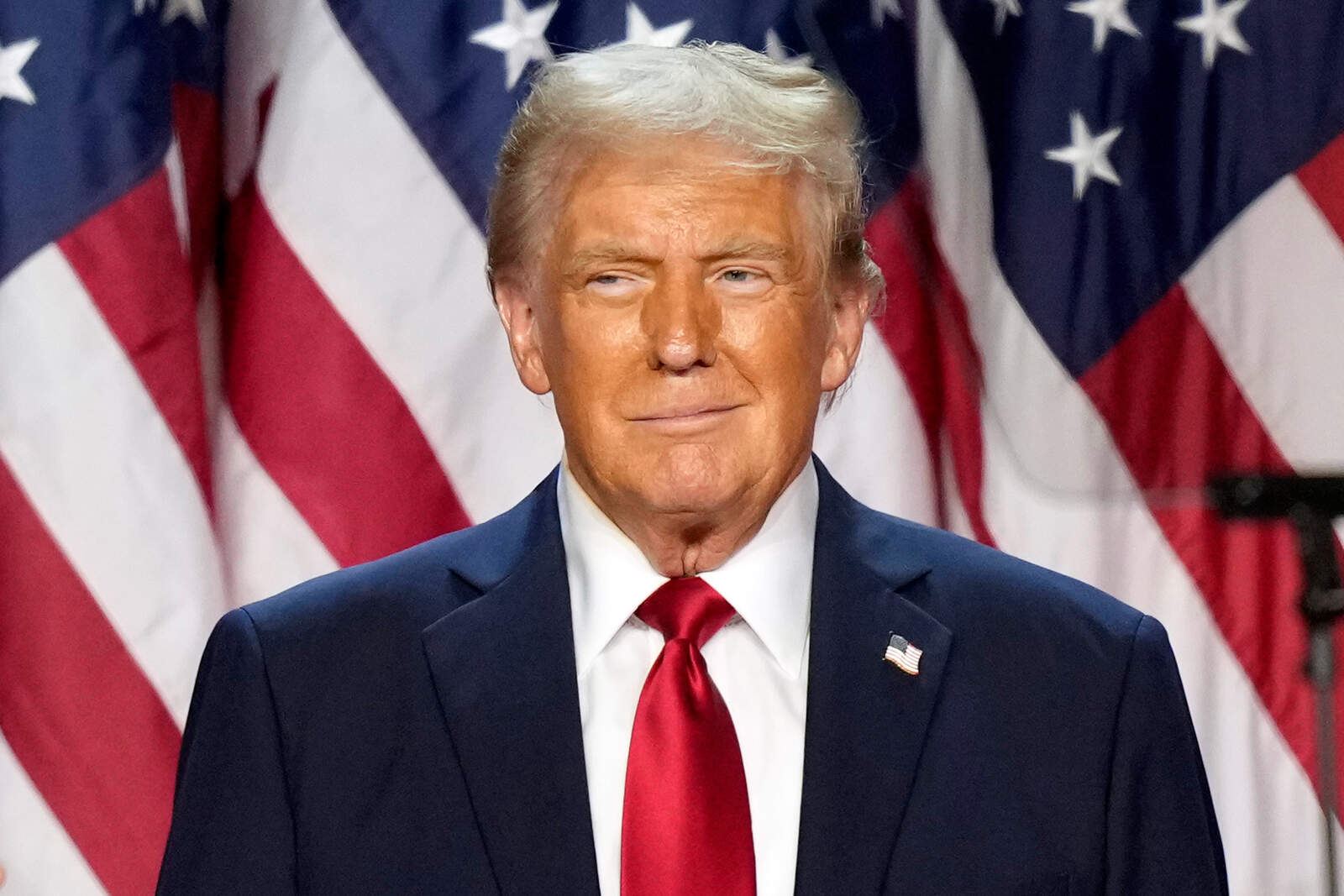
La gestión Trump no tiene pensado enviar tropas al país caribeño
Instead, Washington has promoted a combination of diplomatic pressure, sanctions, and indirect support for security operations, encouraging the participation of international actors under the UN umbrella.
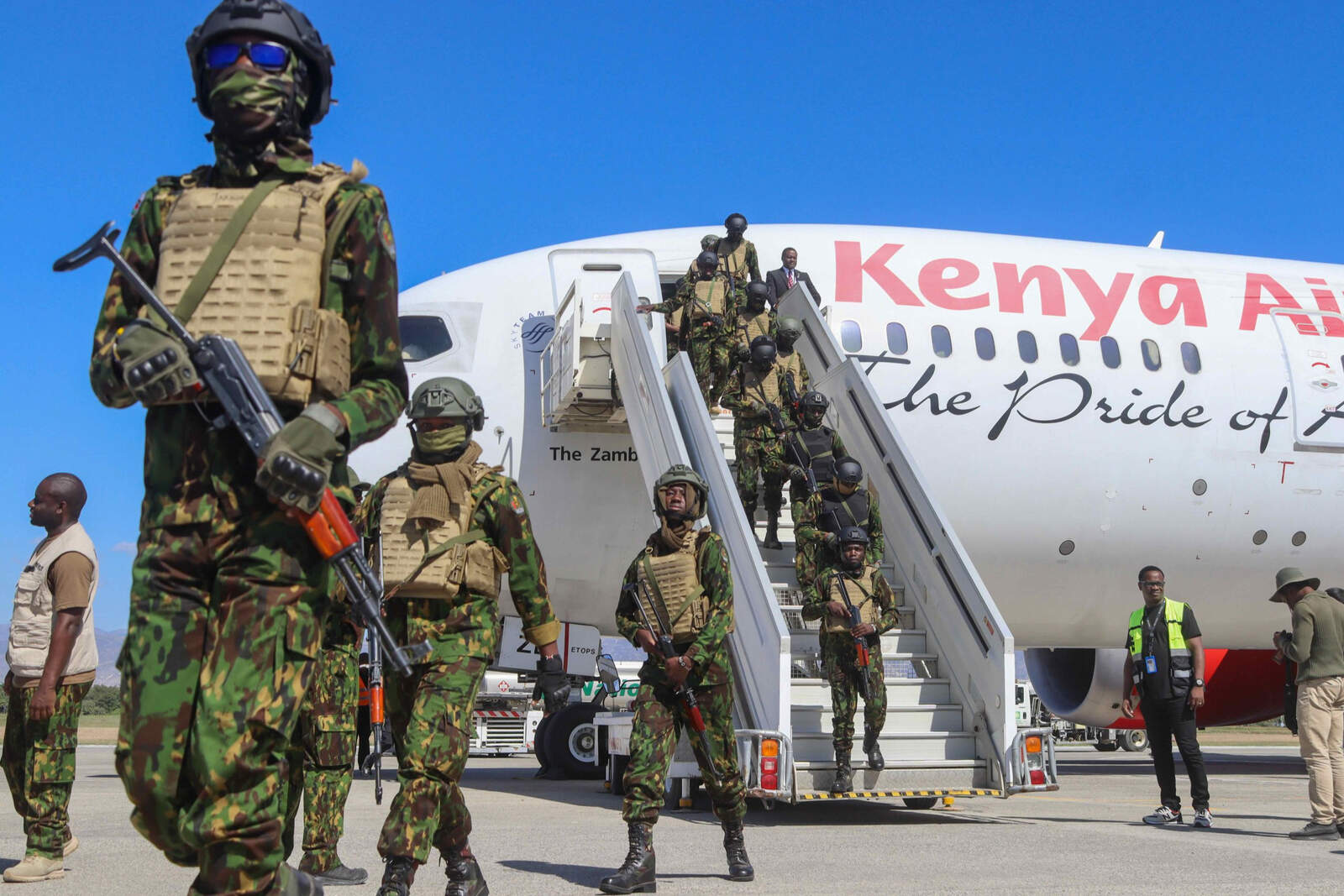
Within that framework falls the Multinational Security Mission led by Kenya and, more recently, the authorization of an expanded international force of 5,550 personnel with a more robust mandate to detain gang members.
These initiatives reflect U.S. leadership in shaping multilateral responses, while they seek to limit the political and human costs of a direct intervention.
Washington's explicit backing of Prime Minister Fils–Aimé responds to considerations of stability and operational effectiveness. Analysts point out that his cooperative relationship with the Haitian police and his role in coordinating security forces make him a key figure for maintaining the continuity of operations against the gangs.
Washington ha promovido la misión liderada por Kenia para combatir la inseguridad en Haití
Despite the public announcement of his dismissal, specialized sources maintain that it did not materialize, largely because of international pressure led by the United States.
According to experts, this was not the first failed attempt to remove the prime minister, and all previous attempts were reportedly blocked by public messages and private démarches from Washington.
The Trump administration's insistence on maintaining him in office seeks to avoid a power vacuum that could be exploited by the cannibal criminal organizations.
As the dissolution date of the Presidential Transitional Council approaches, uncertainty persists about the government structure that will replace it. Nevertheless, the United States's firm stance has helped contain destabilizing maneuvers and maintain a minimum of institutional order.
Washington quiere evitar un vacío de poder en Haití